


Among women undergoing bilateral oophorectomy, those who used MHT had lower risk for mortality
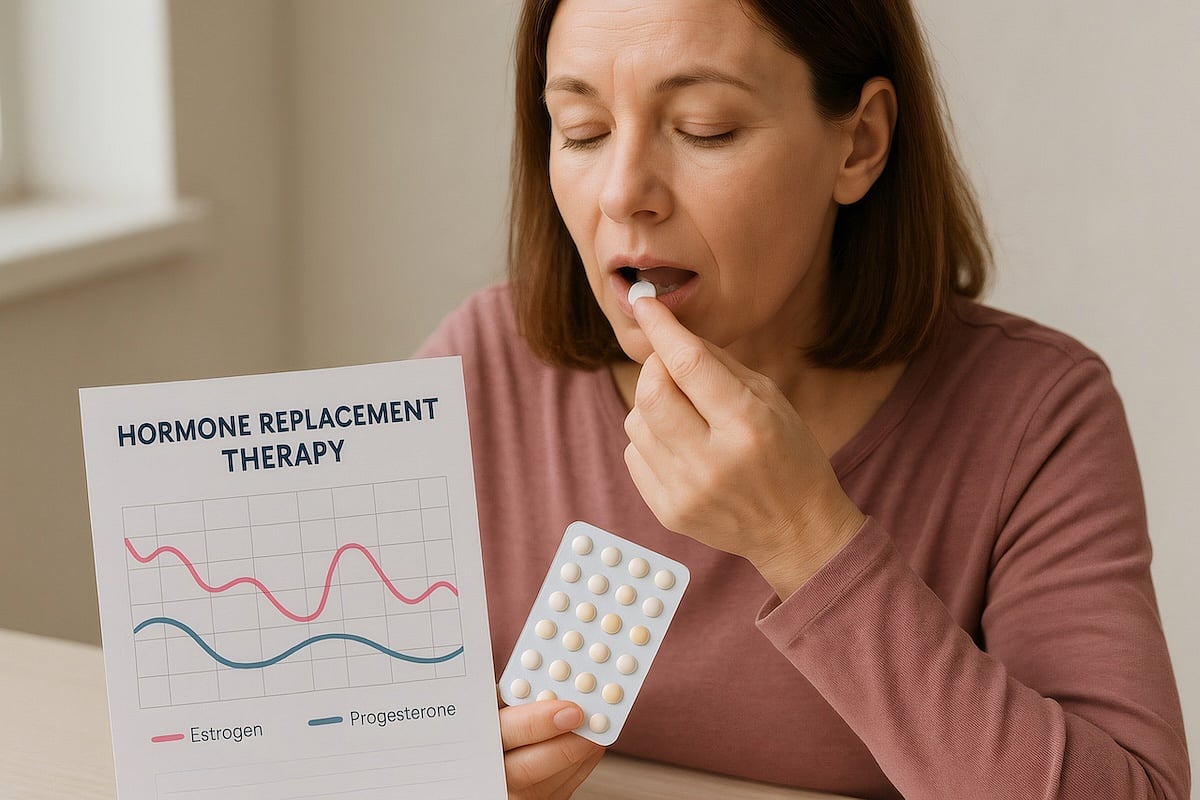
WEDNESDAY, Feb. 25, 2026 (HealthDay News) — Menopausal hormone therapy is not associated with an increased risk for mortality, according to a study published online Feb. 18 in The BMJ.
Anders Pretzmann Mikkelsen, M.D., from Copenhagen University Hospital Herlev in Denmark, and colleagues examined whether menopausal hormone therapy increases the risk for all-cause mortality in a nationwide cohort study. Participants included Danish women born between 1950 and 1977 who were followed up from their 45th birthday through July 31, 2023.
The researchers found that 11.9 percent of the 876,805 women redeemed a prescription for menopausal hormone therapy and 5.4 percent died during a median follow-up of 14.3 years. The incidence rate was 54.9 and 35.5 deaths per 10,000 person-years for women who used menopausal hormone therapy versus those unexposed (adjusted hazard ratio, 0.96; 95 percent confidence interval, 0.93 to 0.98). On stratification by cumulative duration of menopausal hormone therapy use, the adjusted hazard ratios (95 percent confidence intervals) were 1.01 (0.98 to 1.05), 0.94 (0.89 to 0.98), 0.90 (0.84 to 0.95), 0.89 (0.84 to 0.95), and 0.98 (0.90 to 1.07) after <1.0, 1.0 to 2.9, 3.0 to 4.9, 5.0 to 9.9, and ≥10 years of use, respectively. Among the 703 women who underwent bilateral oophorectomy between age 45 and 54 years, those who used menopausal hormone therapy had a 27 to 34 percent lower mortality hazard than those who did not (median age at death, 60.9 versus 56.6 years).
“The magnitude of survival difference found in our study should prompt further discussion as to whether more women should be offered systemic menopausal hormone therapy after undergoing bilateral oophorectomy,” the authors write.
One author disclosed receipt of an institutional grant from Exeltis related to a new progestin-only contraceptive pill.
 Oral Menopausal Hormone Therapy Linked to Venous Thromboembolic Risk
  MHT Initiation May Reduce Cardiovascular Risk in Women With Vasomotor Symptoms
  Longer Reproductive Lifespan Tied to Lower Bronchiectasis Risk in Postmenopausal Women
  Midlife Onset of Increasing Pulse Pressure Not Linked to Menopause
 .jpg) Pregnancy Complications Linked to Subsequent Risk for Cardiometabolic-Renal Conditions
Pregnancy Complications Linked to Subsequent Risk for Cardiometabolic-Renal Conditions  Isometric Exercise Training Three Times a Week Preserves Cardiovascular Benefits
  IBD Not Linked to Risk for Hypertensive Disorders of Pregnancy Overall
  Mortality in Injured Children Linked to Higher SBP Thresholds Than Those That Define Hypotension



.jpg)
