


Women experienced greater change in low-density lipoprotein particles from DHS-I to II, with greatest change for premenopausal, perimenopausal women
FRIDAY, Aug. 30, 2024 (HealthDay News) — Menopausal status is associated with adverse changes in lipoprotein profiles, according to a study presented at the European Society of Cardiology Congress 2024, held from Aug. 30 to Sept. 2 in London.
Stephanie Moreno, M.D., from the University of Texas Southwestern in Dallas, and colleagues examined changes in lipid measures through the menopause transition using data from the Dallas Heart Study (DHS). Women with known menopausal status who underwent nuclear magnetic resonance LipoProfile lipid platform analysis at DHS-I and DHS-II were included. Data were analyzed for 440 premenopausal women, 298 perimenopausal women, 508 postmenopausal women, and 1,364 men.
The researchers found that women experienced a greater change in low-density lipoprotein (LDL) particles from DHS-I to DHS-II compared with men; premenopausal and perimenopausal women had the greatest change. Compared with men, postmenopausal women had a greater reduction in high-density lipoprotein (HDL) particles between DHS-I and DHS-II. Greater change in small-dense LDL was seen for women versus men, with the most pronounced changes in perimenopausal women. Significantly greater reductions in large HDL were seen in perimenopausal and postmenopausal women compared with men; no difference was seen in the change in large HDL between premenopausal women and men.
“We found that menopause is associated with adverse changes in lipoprotein profiles, with the most pronounced changes found to be in increases in “bad” LDL-particles and subfractions observed for perimenopausal women,” Moreno said in a statement. “When looked at together, these changes could help explain the increase of cardiovascular disease in postmenopausal women and help determine if earlier interventions are warranted.”
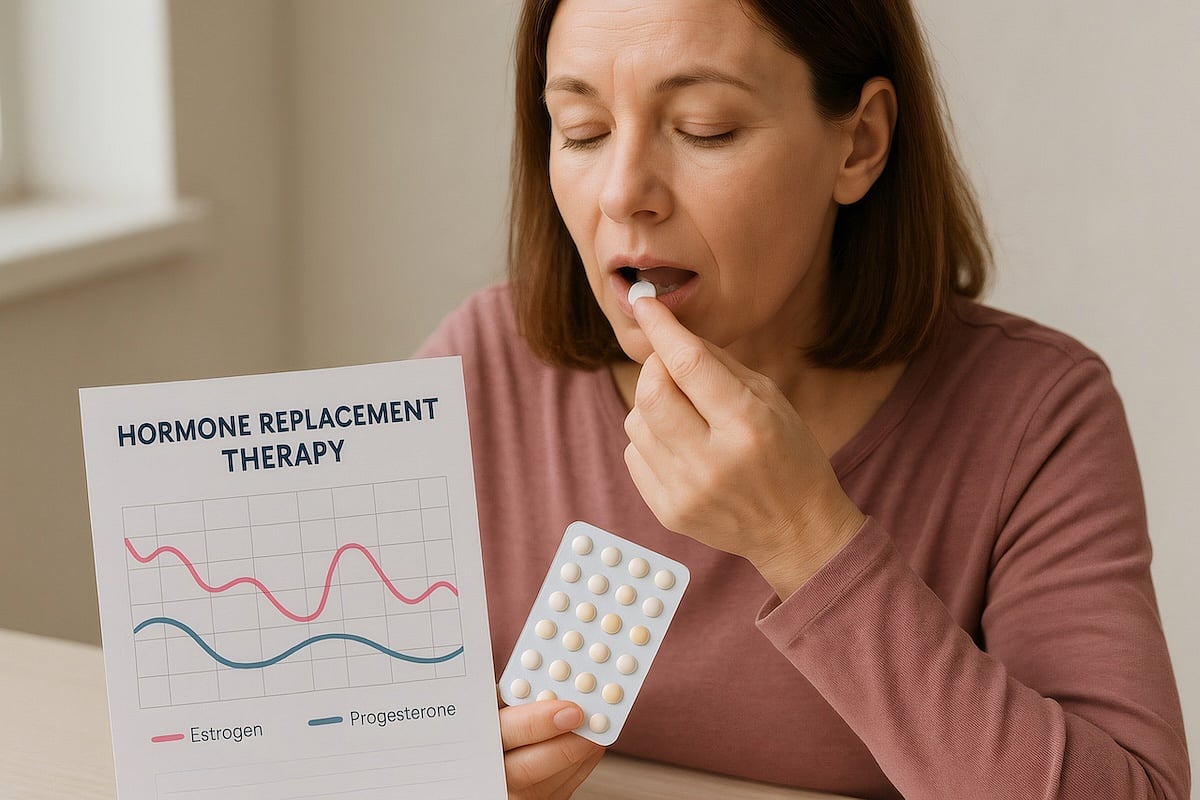 Oral Menopausal Hormone Therapy Linked to Venous Thromboembolic Risk
  MHT Initiation May Reduce Cardiovascular Risk in Women With Vasomotor Symptoms
  Eating More Whole Grains Daily Linked to Cardiometabolic Benefits
  Longer Reproductive Lifespan Tied to Lower Bronchiectasis Risk in Postmenopausal Women
  Midlife Onset of Increasing Pulse Pressure Not Linked to Menopause
  Estrogen Hormone Treatment May Be Beneficial for Brain Fog Symptoms in Menopausal Women
  Adenotonsillectomy Tied to Increase in Respiratory Tract Infections in Children
  Fractional Exhaled Nitric Oxide Elevated in Pediatric Chest Tightness Variant Asthma



.jpg)
