


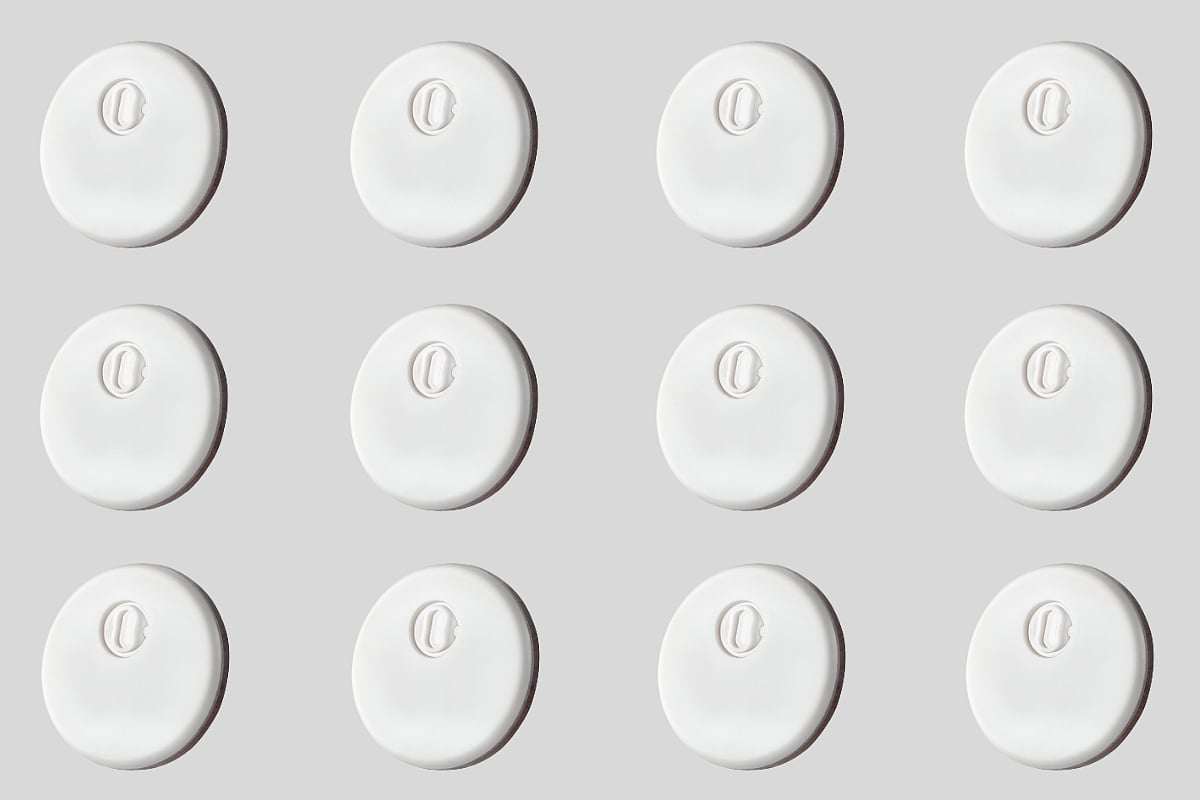
The FDA has linked the issue to seven deaths and more than 700 serious injuries worldwide
THURSDAY, Dec. 4, 2025 (HealthDay News) — Millions of people rely on continuous glucose monitors to help manage diabetes. But a new alert from the U.S. Food and Drug Administration (FDA) warns that some sensors from Abbott may give incorrect blood sugar readings, which could lead to unsafe treatment decisions.
The issue affects about 3 million FreeStyle Libre 3 and FreeStyle Libre 3 Plus sensors, the FDA said. No other Libre products are included in the alert.
So far, the FDA has linked these incorrect readings to at least seven deaths and more than 700 serious injuries worldwide. About 60 of those injuries happened in the United States, according to Abbott. None of the U.S. cases were fatal.
“Patients should verify if their sensors are impacted and immediately discontinue use and dispose of the affected sensor(s),” the FDA stated.
Incorrect readings can be dangerous. If the device shows blood sugar levels that are falsely low, someone may eat more carbohydrates than needed or skip or reduce insulin, believing their blood sugar is under control.
Overtime, “these decisions may pose serious health risks, including potential injury or death, or other less serious complications,” the FDA alert stated.
The FDA said this issue is considered a “potentially high-risk” problem and updates will continue as more information becomes available.
Abbott said a manufacturing issue caused the problem, but the issue has now been fixed. The company expects no major supply delays for replacement devices or new orders.
Diabetes affects about 38 million people in the U.S., according to the U.S. Centers for Disease Control and Prevention.
More information
People can visit FreeStyleCheck.com to see if their sensor is part of the recall and request a free replacement.
SOURCES: Abbott, Nov. 24, 2025; U.S. Food and Drug Administration, Dec. 2, 2025
 Continuous Glucose Patterns May ID Cardiometabolic Risk Without Diabetes
  Primary Care Initiation of Continuous Glucose Monitoring Is Effective
  Inclined Sleeper-Associated Sudden Unexpected Infant Deaths Continued After Recall
  Continuous Glucose Monitors Not Accurate in People Without Diabetes
  GLP-1 Receptor Agonists, SGLT-2is Slow Renal Function Decline in T2D With Albuminuria
  Genetics, Diabetes Tied to MASLD-Associated Cirrhosis Before Age 50
  Study IDs Risk Factors for Ketoacidosis in Adults With T2D Receiving SGLT2 Inhibitors
  Long-Term Medication Adherence Tied to Lower Cardiovascular Event Rate in Type 2 Diabetes


.jpg)

