


Absence of progression correctly identified by subsequent MRI in nearly 95, 90, 70 percent of men with grade group 0, 1, 2, respectively
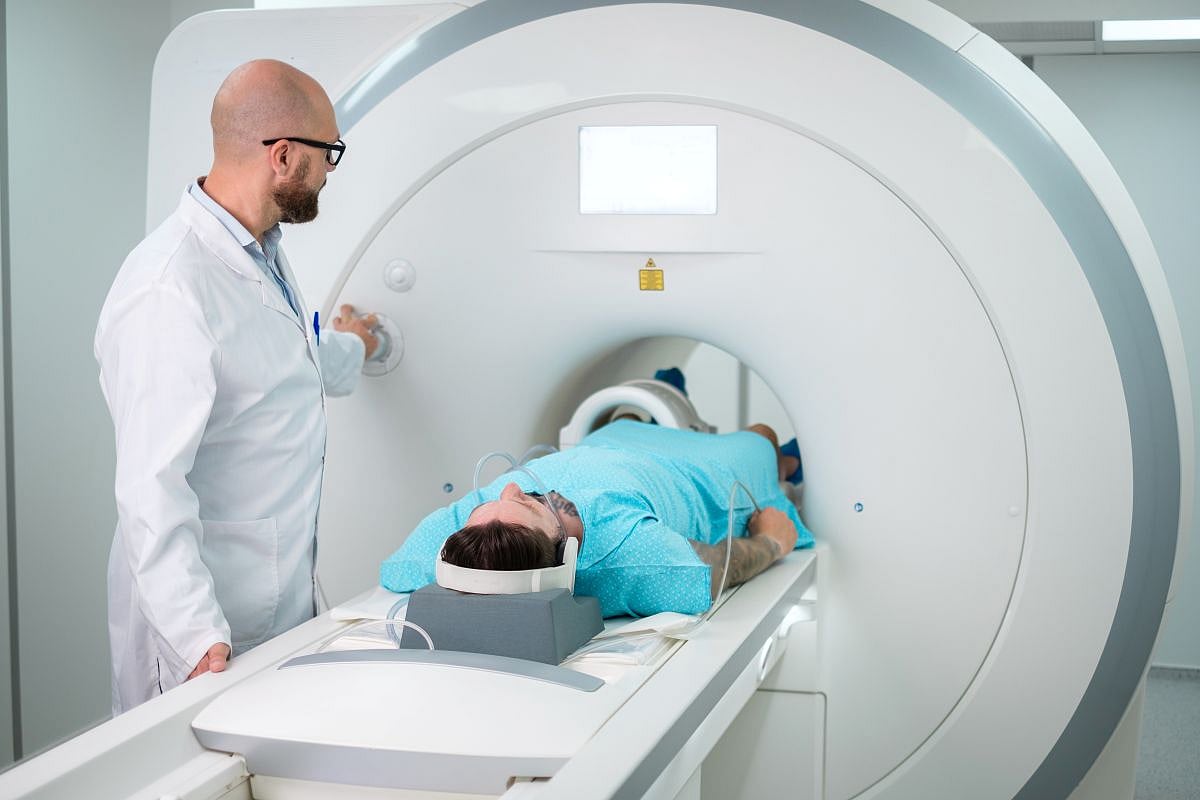
MONDAY, May 19, 2025 (HealthDay News) — Use of magnetic resonance imaging (MRI)-guided biopsy (MRGB) could increase the durability of active surveillance (AS) in men with prostate cancer, according to a study published online April 21 in The Journal of Urology.
Shannon C. Martin, from the David Geffen School of Medicine in Los Angeles, and colleagues analyzed a protocol study of AS from 2010 to 2022 involving 869 men. Participants had baseline MRGB showing grade group (GG) ≤2. Focal therapy was offered to men with GG2 and those progressing to GG3 after 2016.
The 869 men accrued 3,500 patient-years of follow-up (median follow-up, 4.1 years). At baseline, 505, 174, and 190 men were GG1, GG2, and GG0 (prior diagnostic GG1 or GG2, but negative baseline MRGB), respectively. The researchers found that among the 664 men with serial MRGB, progression to ≥GG3 was 7, 19, and 34 percent for GG0, GG1, and GG2, respectively. The absence of progression was correctly identified by subsequent MRI in nearly 95, 90, and 70 percent of men with baseline GG0, GG1, and GG2, respectively. Twenty-five percent of eligible men underwent focal therapy (99/393). These men had a five-year probability of radical prostatectomy/radiation therapy-free survival of 84 percent compared with 46 percent among those who did not undergo focal therapy.
“The precision of AS can be increased and its inclusiveness expanded by routine use of MRGB and, when appropriate, focal therapy,” the authors write.
Several authors disclosed ties to Avenda Health.
 Urine Cell-Free RNA Shows Promise as Biomarker for Bladder Cancer
  Pre-Prostate Biopsy MRI Use Increased From 2017 to 2026
  PET/MRI Offers Diagnostic, Prognostic Value in Pediatric Epilepsy
  Dense Breast Notification Linked to Increase in Use of Supplemental Ultrasound
 .jpg) Most Specialty Oral Anticancer Meds for Blood Cancers Are Initially Rejected by Insurers
Most Specialty Oral Anticancer Meds for Blood Cancers Are Initially Rejected by Insurers  Gap Found Between Awareness of Breast Cancer Risk and Risk-Reducing Behavior
  Exercise Intervention Linked to Improved Attention, Memory in Breast Cancer
  Mammography Trials Yield Excess-Incidence Patterns Consistent With Low Overdiagnosis



