


Cases are on the rise across the region; state has already confirmed 26 cases this year
MONDAY, Sept. 22, 2025 (HealthDay News) — Louisiana health officials have confirmed a fifth death this year linked to Vibrio vulnificus, a rare and dangerous flesh-eating bacteria found in warm coastal waters.
The bacteria is most common between May and October, according to the U.S. Centers for Disease Control and Prevention (CDC). It can lead to severe illness, including necrotizing fasciitis, a fast-spreading infection that destroys tissue.
About 1 in 5 people with this infection die.
It is not yet clear how the latest victim became infected. Two of the state’s deaths earlier this year were tied to eating raw oysters, officials noted. People can also become sick if contaminated seawater enters an open wound.
“It”s not just a Gulf Coast phenomenon any longer,” Dr. Fred Lopez, an infectious disease specialist at LSU Health, told CBS News.
“Global warming is moving infections with Vibrio vulnificus up the East Coast,” he added.
Cases are on the rise across the region. Louisiana normally reports about seven infections and one death each year. In 2025, the state has already confirmed 26 cases.
Neighboring states have also reported infections: 10 in Alabama, three in Mississippi (one fatal) and 13 in Florida, where eight people died. Cases have even been detected as far north as Massachusetts.
Health officials urge people to avoid raw or undercooked seafood and to keep wounds away from warm coastal waters.
More information
The Cleveland Clinic has more on Vibrio vulnificus.
SOURCE: CBS News, Sept. 19, 2025
 Distinct Skin Microbiome Features Emerge Before Atopic Disease Onset in Infants
 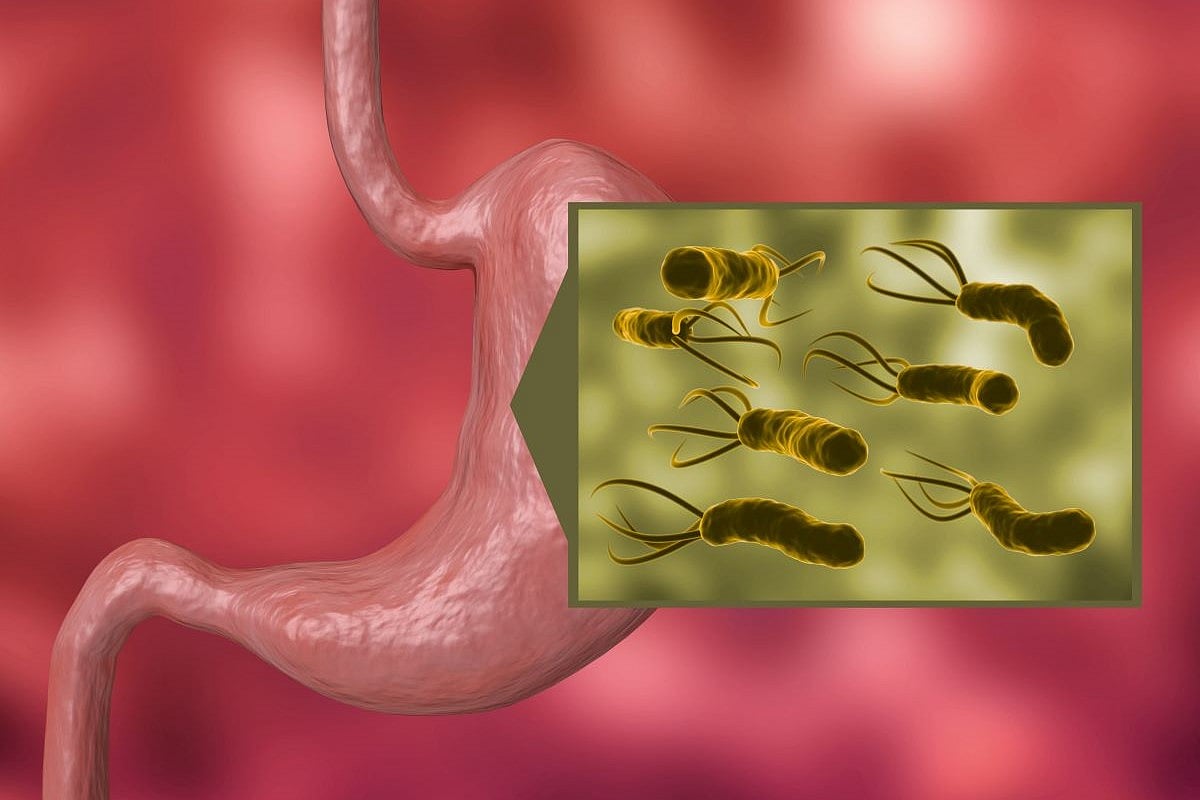 H. Pylori Exposure May Contribute to Global Burden of Colorectal Cancer
  About 1 in 20 Hospitalized U.S. Adults With Firearm Injuries Develop Bacterial Infections
  Freshwater Swimming Tied to Stomach Bugs, Skin Conditions
 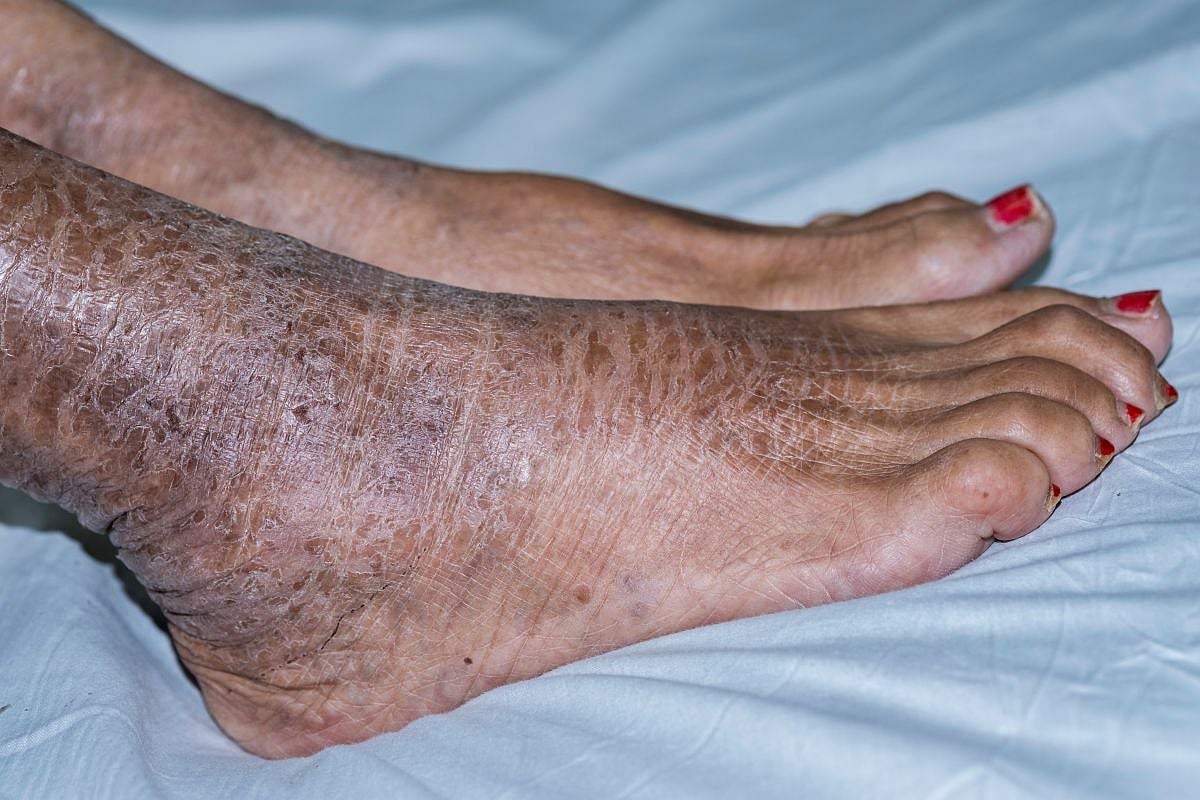 Congenital Ichthyosis Linked to Allergic Disorders
  Considerable Global Disparities Found in Access to Dermatological Care
  Extreme Heat Linked to 33 Clinically Reportable Diagnoses
  Early-Life PFAS Exposure Tied to Intestinal Inflammation in Childhood
 .jpg)




