


HLA-DRB1*01:03 allele linked to severe disease requiring hospitalization, major operation, systemic corticosteroid use
FRIDAY, Oct. 18, 2024 (HealthDay News) — For patients with ulcerative colitis, the HLA-DRB1*01:03 allele is associated with severe ulcerative colitis, according to a research letter published online Oct. 15 in the Journal of the American Medical Association to coincide with the United European Gastroenterology Week, held from Oct. 12 to 15 in Vienna.
Marie Vibeke Vestergaard, from Aalborg University in Denmark, and colleagues conducted a Danish nationwide genome-wide association study on severe versus less severe ulcerative colitis to identify biomarkers using data from a combined cohort of 4,491 patients (4,153 from the neonatal blood spot cohort [NBS] and 338 from the North Denmark Biobank study [NorDIBD]).
The researchers found that a chromosome 6 locus within the HLA region was significantly associated with severe versus less severe ulcerative colitis from 9,508,878 tested single-nucleotide variations (odds ratio, 2.23). The HLA-DRB1*01:03 allele explained this association (odds ratio, 3.32 overall; 3.29 for NBS and 3.98 for NorDIBD). No other allele had a P value below the genome-wide significance threshold. The association with the HLA-DRB1*01:03 allele had odds ratios of 6.38, 5.24, and 2.30 for major operation, at least two hospitalizations, and use of at least 5,000 mg of systemic corticosteroids for carriers versus noncarriers. For carriers versus noncarriers, the hazard ratios were 2.22, 5.13, and 1.69 for time to hospitalization, time to major operation, and time to first treatment with systemic corticosteroids, respectively.
“Given the low cost of typing a single HLA allele, HLA-DRB1*01:03 could be a valuable tool for risk assessment of patients with ulcerative colitis at diagnosis,” the authors write.
Two authors disclosed ties to the pharmaceutical industry.
Abstract/Full Text (subscription or payment may be required)
 Serum 25(OH)D May Serve as Biomarker of Disease Activity in IBD
  IBD Not Linked to Risk for Hypertensive Disorders of Pregnancy Overall
 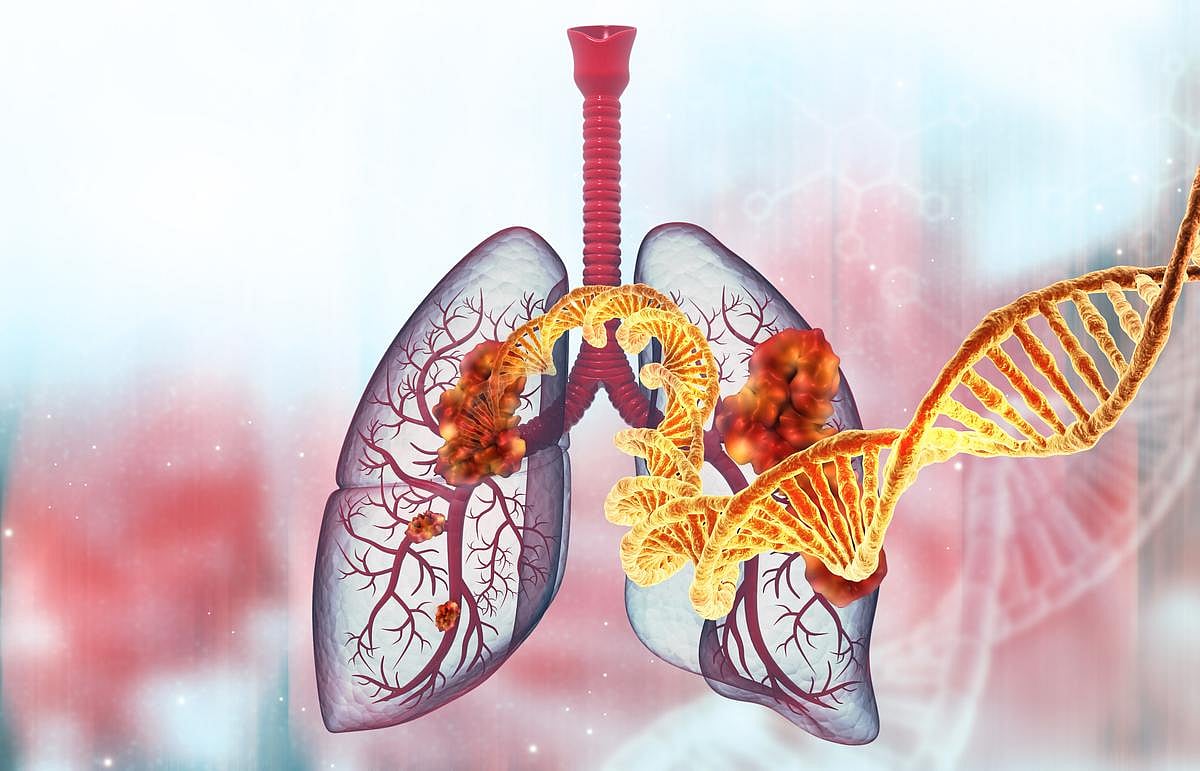 Gene Mutation Identified That Increases Lung Cancer Risk
 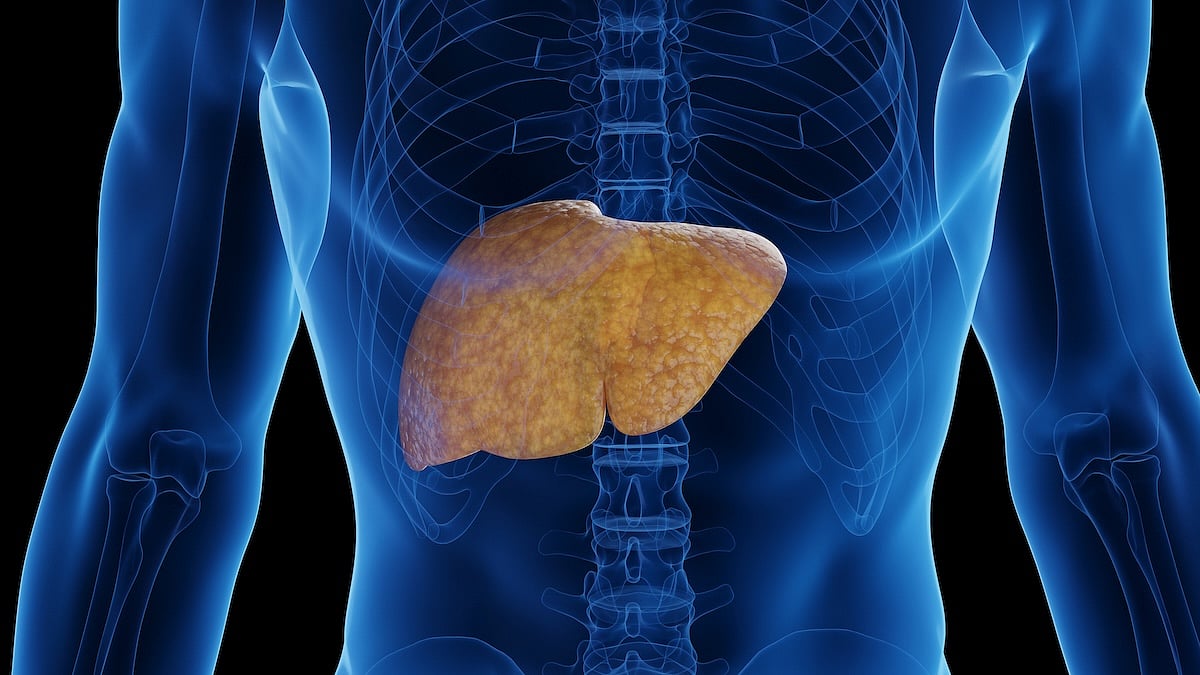 Genetics, Diabetes Tied to MASLD-Associated Cirrhosis Before Age 50
  GLP-1 Receptor Agonists, SGLT-2is Slow Renal Function Decline in T2D With Albuminuria
  Steatotic Liver Disease Risk Scores Compared for Predicting Cirrhosis
  Cirrhosis Can Recur After Liver Transplant
 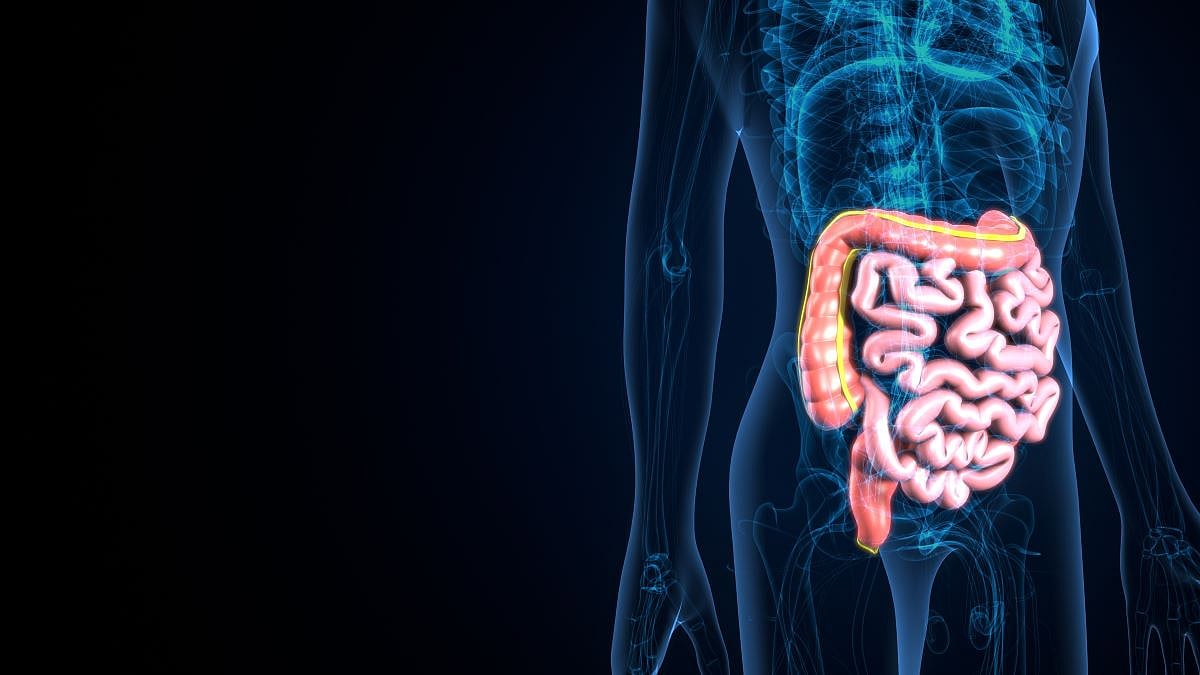 Family History of CRC Increases CRC Risk Similarly in IBD, General Population


.jpg)

