


Risk increased in the six months after infection; elevated risk also seen in subpopulation with overweight, obesity and hospitalized patients
WEDNESDAY, Oct. 16, 2024 (HealthDay News) — The risk for an incident diagnosis of type 2 diabetes (T2D) is increased in the six months following severe acute respiratory syndrome coronavirus 2 (SARS-CoV-2) infection, according to a study published online Oct. 14 in JAMA Network Open.
Margaret G. Miller, from the Case Western Reserve University School of Medicine in Cleveland, and colleagues conducted a retrospective cohort study using electronic health records to examine whether the risk for incident T2D diagnosis is increased during the six months following SARS-CoV-2 infection in pediatric patients aged 10 to 19 years. The study population included 613,602 patients: 306,801 with COVID-19 and 306,801 with other respiratory infections after propensity score matching.
The researchers found a significant increase in the risk for a new diagnosis of T2D from the day of infection to one, three, and six months after COVID-19 diagnosis compared with the matched cohort (risk ratios, 1.55, 1.48, and 1.58 at one, three, and six months, respectively). In the subpopulation classified as having overweight or obesity, results were similar (risk ratios, 2.07, 2.00, and 2.27 at one, three, and six months, respectively); results were also similar in the subpopulation with hospitalization (risk ratios, 3.10, 2.74, and 2.62 at one, three, and six months, respectively). When excluding patients diagnosed during the interval from the index date to one month after infection, a similar elevation in risk was seen at three and six months.
“Understanding the role that SARS-CoV-2 plays in pediatric T2D incidence will add an important component to consideration of the risks and benefits of preventing SARS-CoV-2 infection in children,” the authors write.
Abstract/Full Text (subscription or payment may be required)
.jpg) Pregnancy Complications Linked to Subsequent Risk for Cardiometabolic-Renal Conditions
Pregnancy Complications Linked to Subsequent Risk for Cardiometabolic-Renal Conditions  GLP-1 Receptor Agonists, SGLT-2is Slow Renal Function Decline in T2D With Albuminuria
 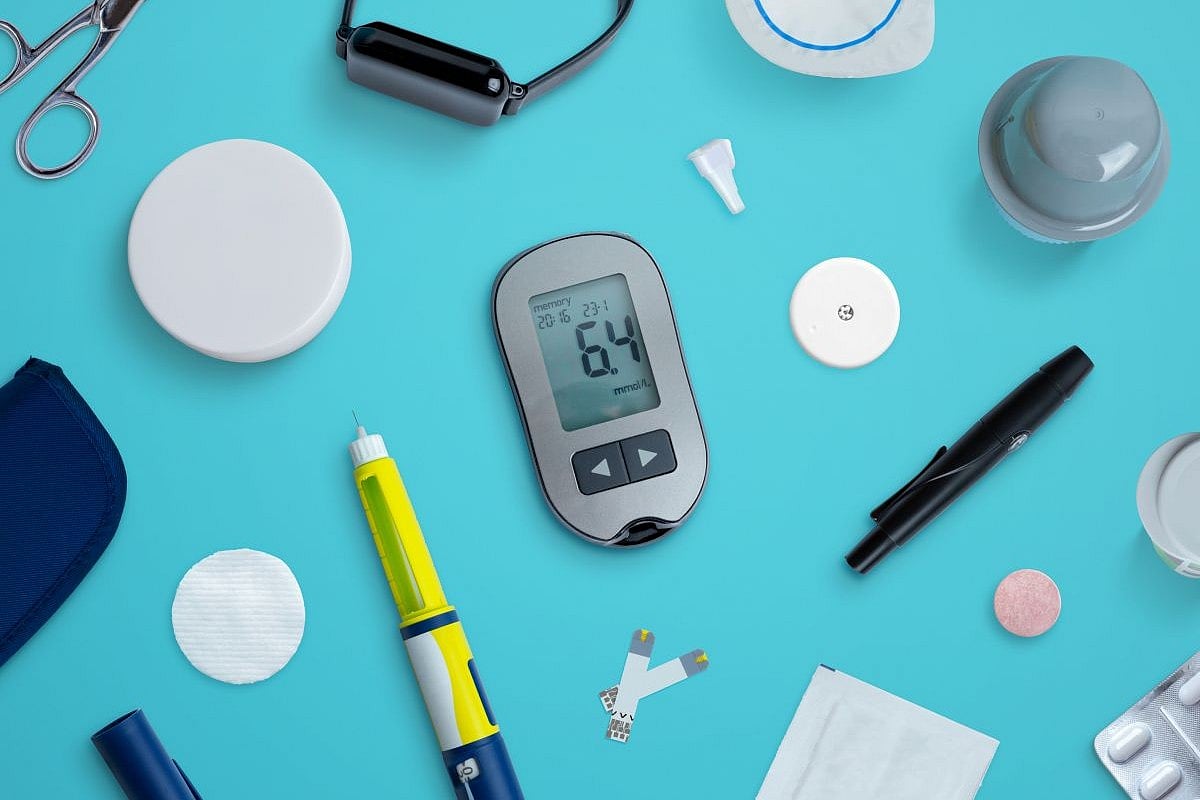 Study IDs Risk Factors for Ketoacidosis in Adults With T2D Receiving SGLT2 Inhibitors
 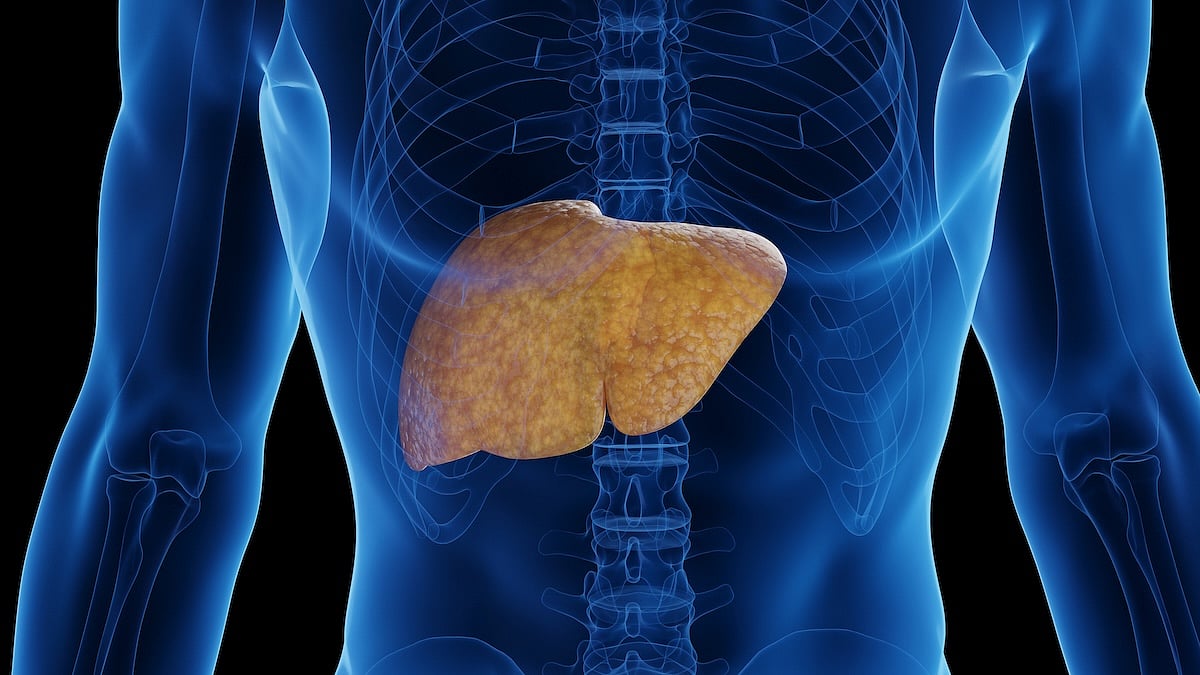 Genetics, Diabetes Tied to MASLD-Associated Cirrhosis Before Age 50
  Steatotic Liver Disease Risk Scores Compared for Predicting Cirrhosis
  Cirrhosis Can Recur After Liver Transplant
 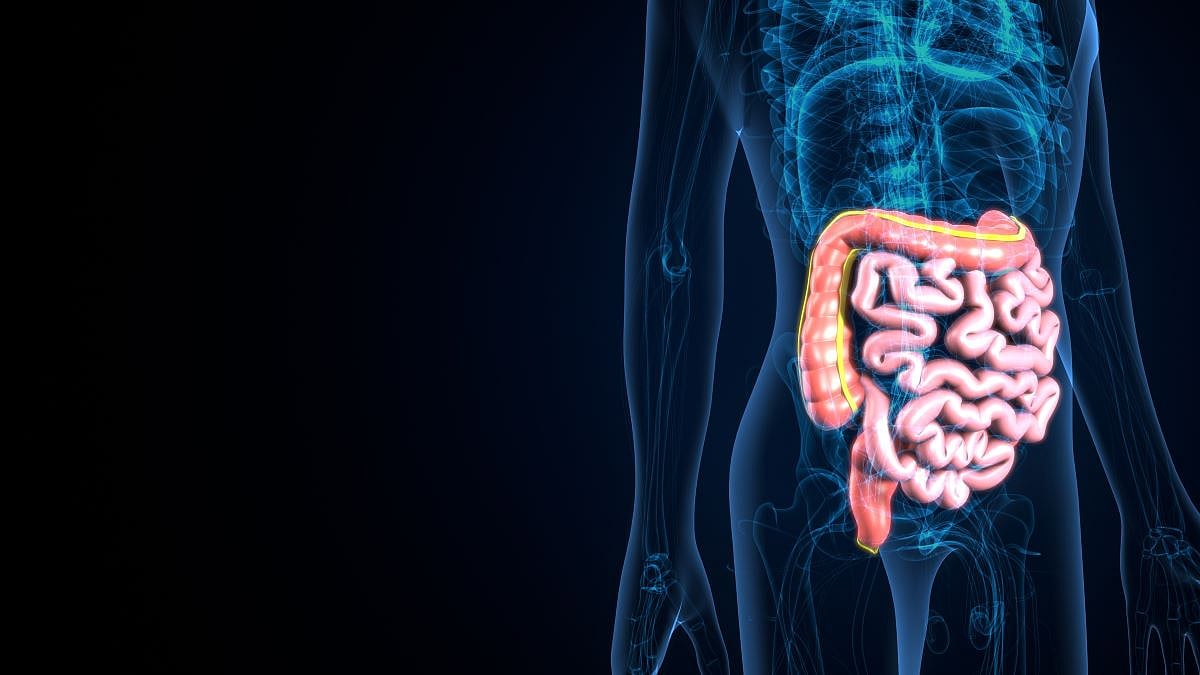 Family History of CRC Increases CRC Risk Similarly in IBD, General Population
  Relapse Rare After Appendiceal Adenocarcinoma Resection


.jpg)

