


Dissociation between pathological caloric testing, normal video head impulse test can differentiate Meniere disease from vestibular migraine
THURSDAY, Oct. 3, 2024 (HealthDay News) — The dissociation between pathological caloric testing and a normal video head impulse test can differentiate between Meniere disease (MD) and vestibular migraine (VM), according to a study published online Aug. 14 in Frontiers in Neurology.
Vergil Mavrodiev, from LMU University Hospital in Munich, and colleagues examined the sensitivity, specificity, and positive and negative predictive values (PPV and NPV) of the dissociation between a normal/pseudo-normal video head impulse test and reduced caloric testing to differentiate between MD and VM in a retrospective analysis of 2,101 patients. The examination group included 1,100 patients: 57 and 43 percent had MD and VM, respectively. The comparison group included 1,001 patients with other peripheral, central, or functional vestibular disorders.
The researchers found that for differentiating MD versus VM, the specificity was 83.5 percent, sensitivity 58.9 percent, PPV 82.6 percent, and NPV 60.5 percent for the dissociation. For differentiation of MD versus all other vestibular disorders, the specificity was 83.5 percent, sensitivity 58.9 percent, PPV 60.3 percent, and NPV 82.7 percent.
“Considering the differentiation between MD and VM, the discrepancy was highly specific for MD (83.5 percent),” the authors write. “Together with a low percentage of false-positive results and a high positive predictive value (82.6 percent), it can be used as an assisting rule-out test for MD — especially in patients lacking the typical MD symptoms in the early stages of the disease.”
 Chronic Migraines More Common in Women With Enlarged Breast Tissue
  Updated Recommendations Address Medications to Prevent Migraine in Adults
  Botox Helpful in Alleviating Chronic Migraine in Pediatric Patients
 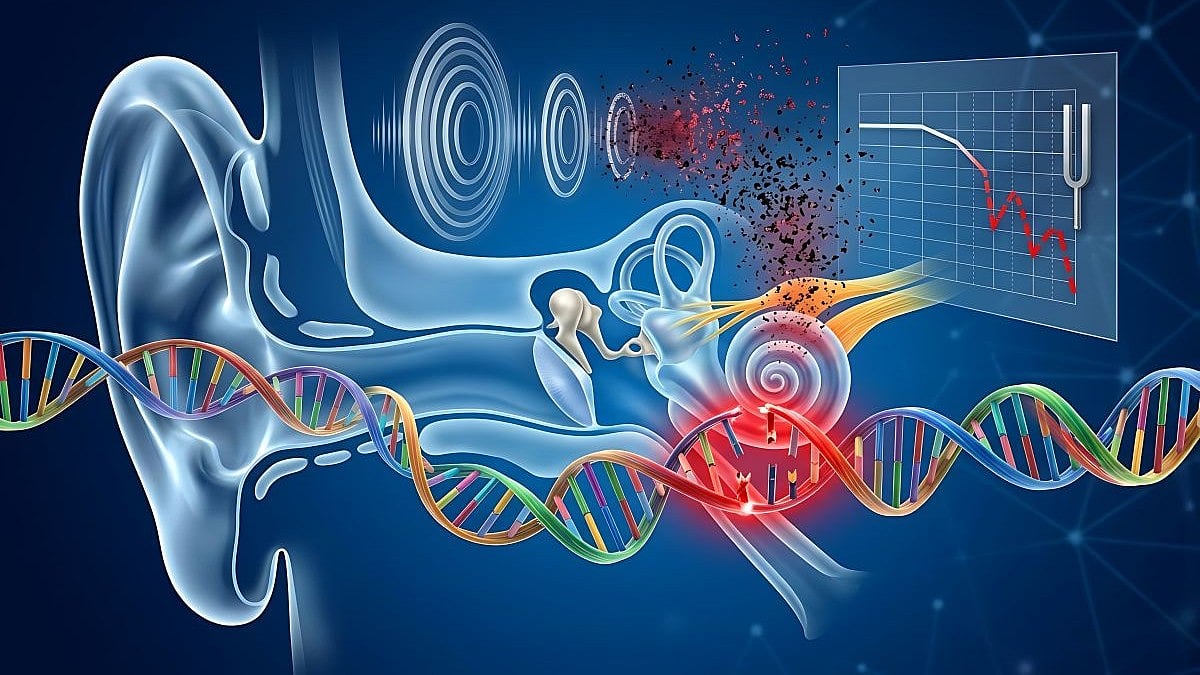 Genome-Wide Significant Loci Identified for Meniere Disease Risk
  Gene Mutation Identified That Increases Lung Cancer Risk
  Distinct Skin Microbiome Features Emerge Before Atopic Disease Onset in Infants
  Real-World ARIA Incidence With Lecanemab Aligns With Clinical Trial Findings
  Genomic Newborn Screening Could ID Cancer Predisposition Syndrome




.jpg)