


Yields higher among patients with a prior advanced adenoma but do not vary significantly with age
THURSDAY, April 4, 2024 (HealthDay News) — Colorectal cancer (CRC) is rarely detected from surveillance colonoscopy among older adults, regardless of prior adenoma findings, according to a study published online April 2 in JAMA Network Open.
Jeffrey K. Lee, M.D., M.P.H., from Kaiser Permanente Northern California in Oakland, and colleagues estimated surveillance colonoscopy yields in older adults. The analysis included 9,601 individuals 70 to 85 years who received 9,740 surveillance colonoscopies at a large, community-based U.S. health care system (2017 through 2019) and had an adenoma detected ≥12 months previously.
The researchers reported that CRC yields were found in 0.3 percent of procedures, advanced adenoma in 11.7 percent, and advanced neoplasia in 12.0 percent. There were no significant differences in yields across age groups. CRC yields were significantly higher for colonoscopies among patients with a prior advanced adenoma versus nonadvanced adenoma (0.5 versus 0.2 percent). A similar pattern was seen for advanced neoplasia (16.5 versus 10.6 percent). Detection of advanced neoplasia at surveillance was associated with prior advanced adenoma (adjusted odds ratio [aOR], 1.65), body mass index ≥30 versus <25 kg/m2 (aOR, 1.21), and having ever smoked tobacco (aOR, 1.14). There was an inverse association between Asian or Pacific Islander race and advanced neoplasia.
“With current guidelines offering no specific age at which to stop surveillance colonoscopy, the study findings can inform clinicians and older patients regarding the potential benefits (or lack of benefits) of continuing with postpolypectomy surveillance in the context of the life expectancy of the patient and weighed against the rare but known harms of colonoscopy,” the authors write.
 Multicomponent Interventions Offer Little Impact on Fall Risk
 Surveillance Colonoscopy at Five Years After Adenoma Removal Noninferior to Three Years
 Family History of CRC Increases CRC Risk Similarly in IBD, General Population
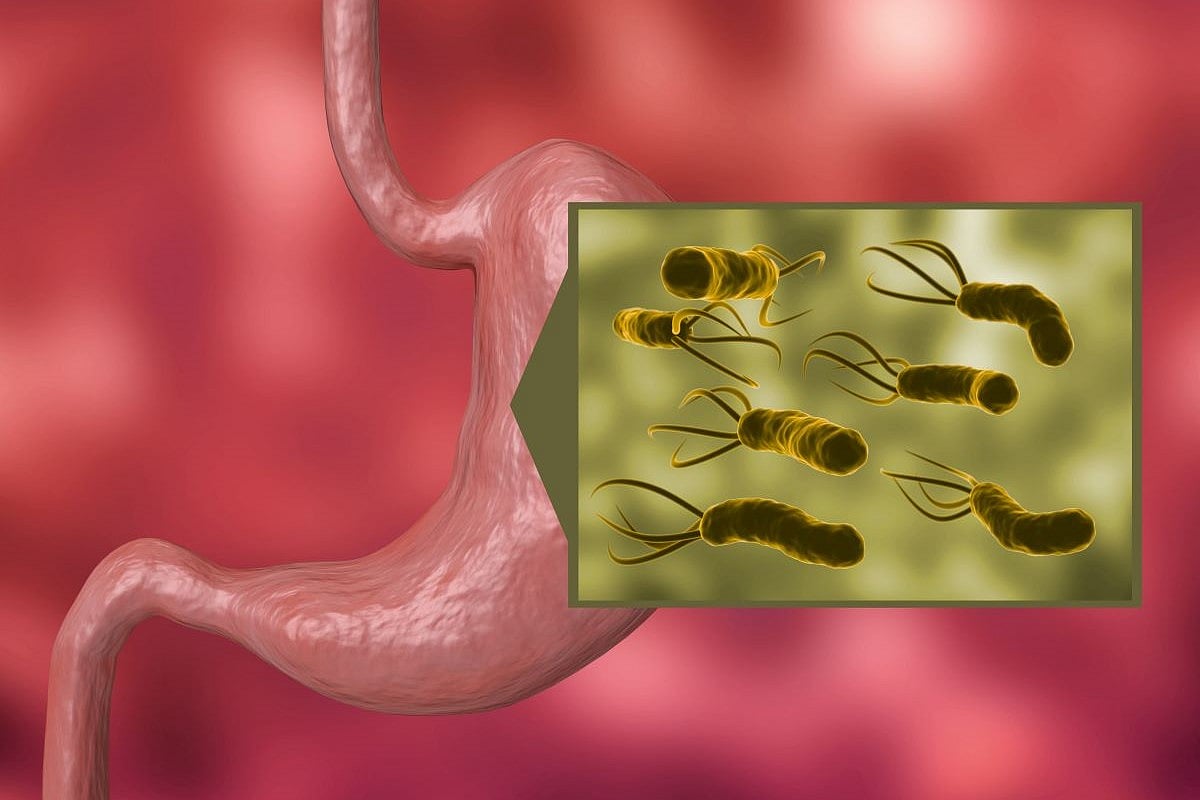 H. Pylori Exposure May Contribute to Global Burden of Colorectal Cancer
 Distinct Skin Microbiome Features Emerge Before Atopic Disease Onset in Infants
 Freshwater Swimming Tied to Stomach Bugs, Skin Conditions
 Couples" Coping Skills Help Reduce Depression in GI Cancer Survivors
 Organized, Biennial FIT-Based Screening Linked to Lower Colorectal Cancer Mortality



.jpg)

