Genetic links with obesity, T2DM, lipids suggest shared genetic architecture for PCOS, metabolic traits
MONDAY, Dec. 31, 2018 (HealthDay News) — Three novel loci have been identified for polycystic ovary syndrome (PCOS), according to research published online Dec. 19 in PLOS Genetics.
Felix Day, Ph.D., from the University of Cambridge School of Clinical Medicine in the United Kingdom, and colleagues performed a meta-analysis of 10,074 PCOS cases and 103,164 controls of European ancestry and characterized PCOS-related traits.
The researchers identified three novel loci and replicated 11 previously identified loci. The genetic architecture was similar for PCOS diagnosed by self-report and for PCOS diagnosed by National Institutes of Health (NIH) or non-NIH Rotterdam criteria across common variants at 13 loci; only one locus differed significantly in its correlation by diagnostic criteria. In affected women, identified variants correlated with hyperandrogenism, gonadotropin regulation, and testosterone levels. There were genetic correlations with obesity, fasting insulin, type 2 diabetes, lipid levels, and coronary artery disease, indicating shared genetic architecture between PCOS and metabolic traits in linkage disequilibrium score regression analysis. Variants associated with body mass index, fasting insulin, menopause timing, depression, and male-pattern balding were suggested to play a causal role in PCOS in Mendelian randomization analyses.
“The genetic underpinnings of PCOS implicate neuroendocrine, metabolic, and reproductive pathways in the pathogenesis of disease,” the authors write. “Our findings demonstrate the extensive power of genetic and genomic approaches to elucidate the pathophysiology of PCOS.”
Several authors are employees of 23andMe.
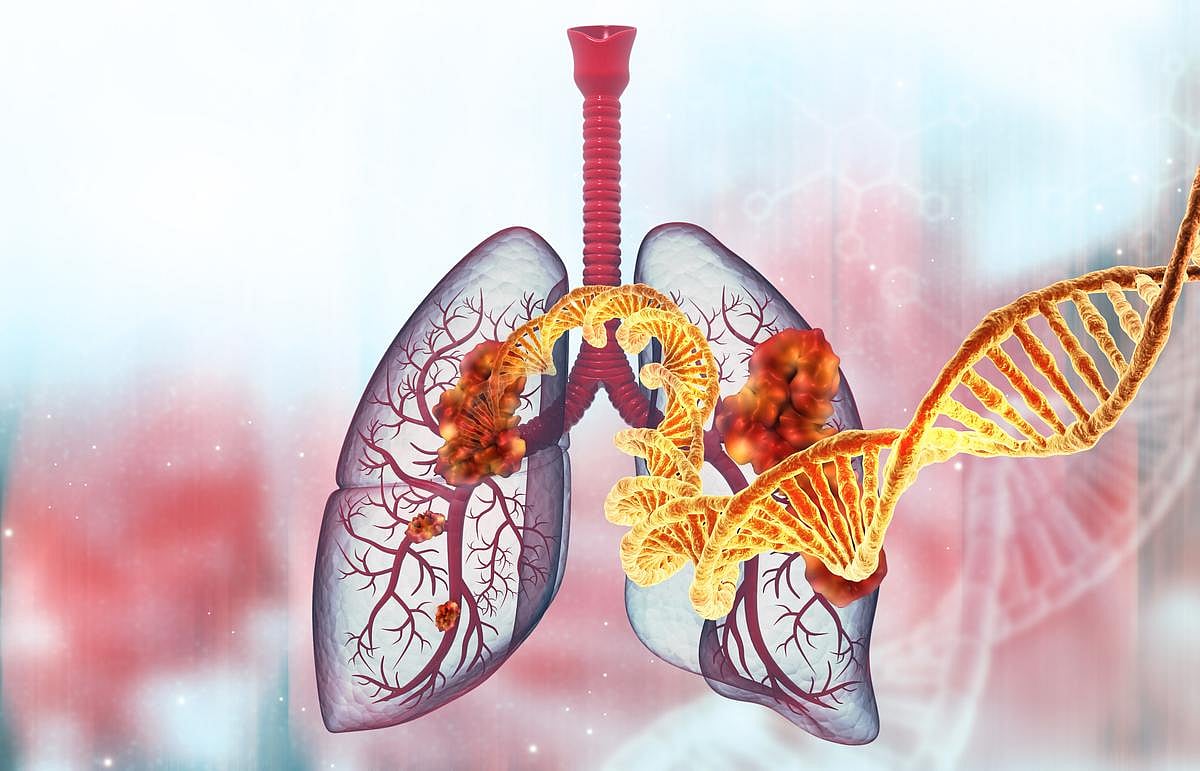 Gene Mutation Identified That Increases Lung Cancer Risk
 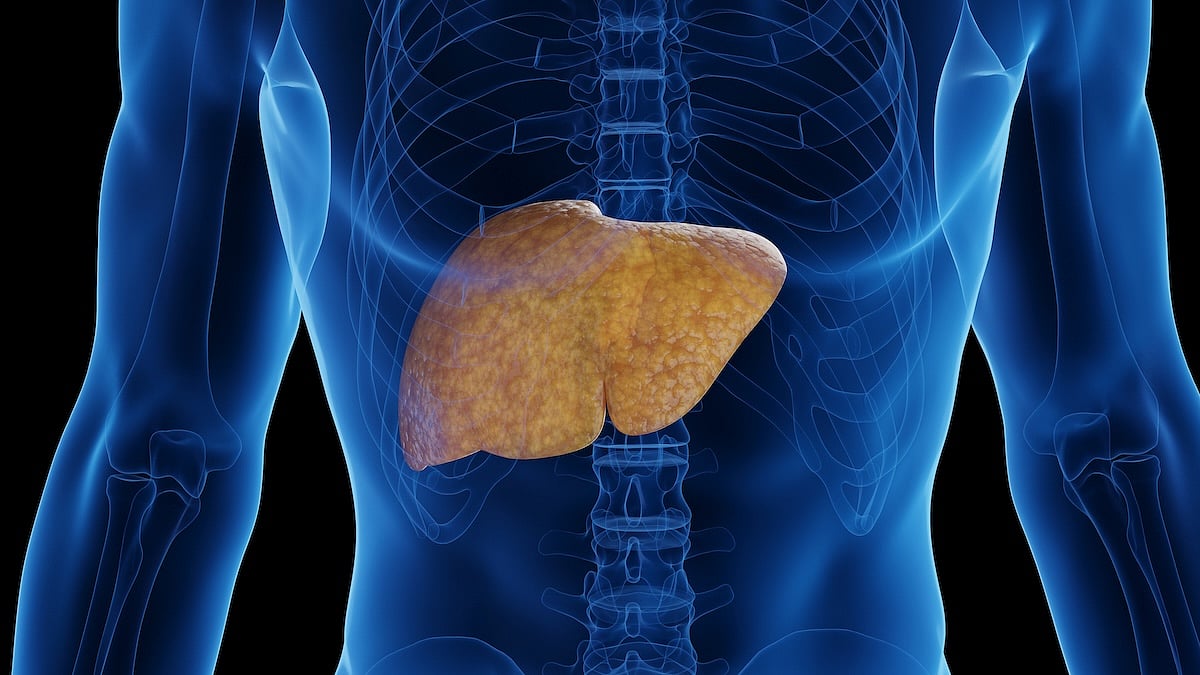 Genetics, Diabetes Tied to MASLD-Associated Cirrhosis Before Age 50
 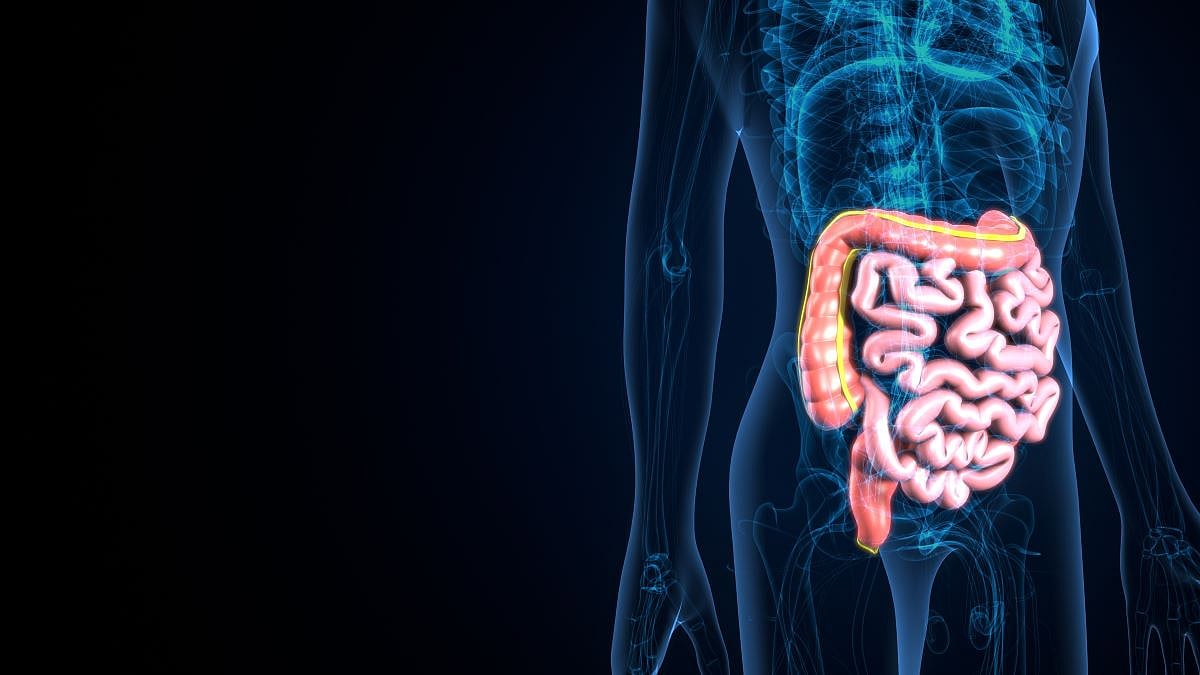 Family History of CRC Increases CRC Risk Similarly in IBD, General Population
 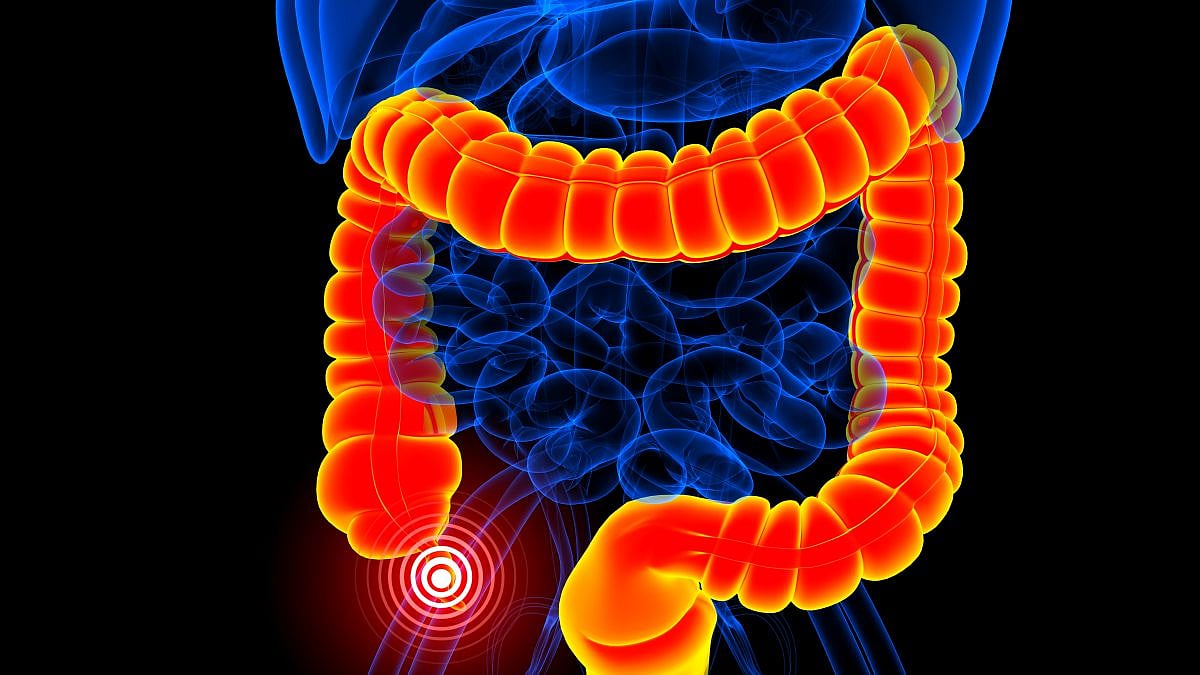 Relapse Rare After Appendiceal Adenocarcinoma Resection
  Personalized Support Boosts Families" Genetic Testing for Hereditary Cancers
  Physical Therapist-Supervised Exercise Improves Outcomes After ACL Reconstruction
 .jpg) Cancer Survivors Have Lower Levels of Physical Activity
Cancer Survivors Have Lower Levels of Physical Activity  Early Complications Common in Older Kidney Transplant Recipients