


Children with conduct disorders appear to have smaller amygdala, nucleus accumbens, thalamus, and hippocampus volumes
FRIDAY, July 26, 2024 (HealthDay News) — There are widespread brain structural alterations apparent in conduct disorders, mostly in surface area, according to a study published in the August issue of The Lancet Psychiatry.
Yidian Gao, Ph.D., from the University of Birmingham in the United Kingdom, and colleagues examined brain structural correlates of conduct disorders among those aged 18 years or younger. Individual participant data were collected from 1,185 young people with conduct disorder and 1,253 typically developing young people (mean age, 13.5 years).
The researchers found that the conduct disorder group had lower surface area in 26 cortical regions and lower total surface area relative to typically developing young people. Differences were seen in cortical thickness in the caudal anterior cingulate cortex and the banks of the superior temporal sulcus. Smaller amygdala, nucleus accumbens, thalamus, and hippocampus volumes were also seen in the conduct disorder group. After adjustment for attention-deficit/hyperactivity disorder comorbidity or intelligence quotient, most differences remained significant. There were no group-by-sex or group-by-age interactions seen. Between Diagnostic and Statistical Manual of Mental Disorders-defined conduct disorder subtypes, few differences were found. However, more widespread differences were seen for individuals with high callous-unemotional traits versus controls than for those with low callous-unemotional traits.
“These findings provide further evidence that brain alterations could contribute to conduct disorder,” the authors write. “This underrecognized disorder warrants greater consideration in research, including longitudinal studies exploring neurodevelopmental trajectories and additional subtyping approaches.”
Several authors disclosed ties to the biopharmaceutical industry.
 Lower Vertebral Bone Mineral Density Linked to Cognitive Decline
  Estrogen Hormone Treatment May Be Beneficial for Brain Fog Symptoms in Menopausal Women
 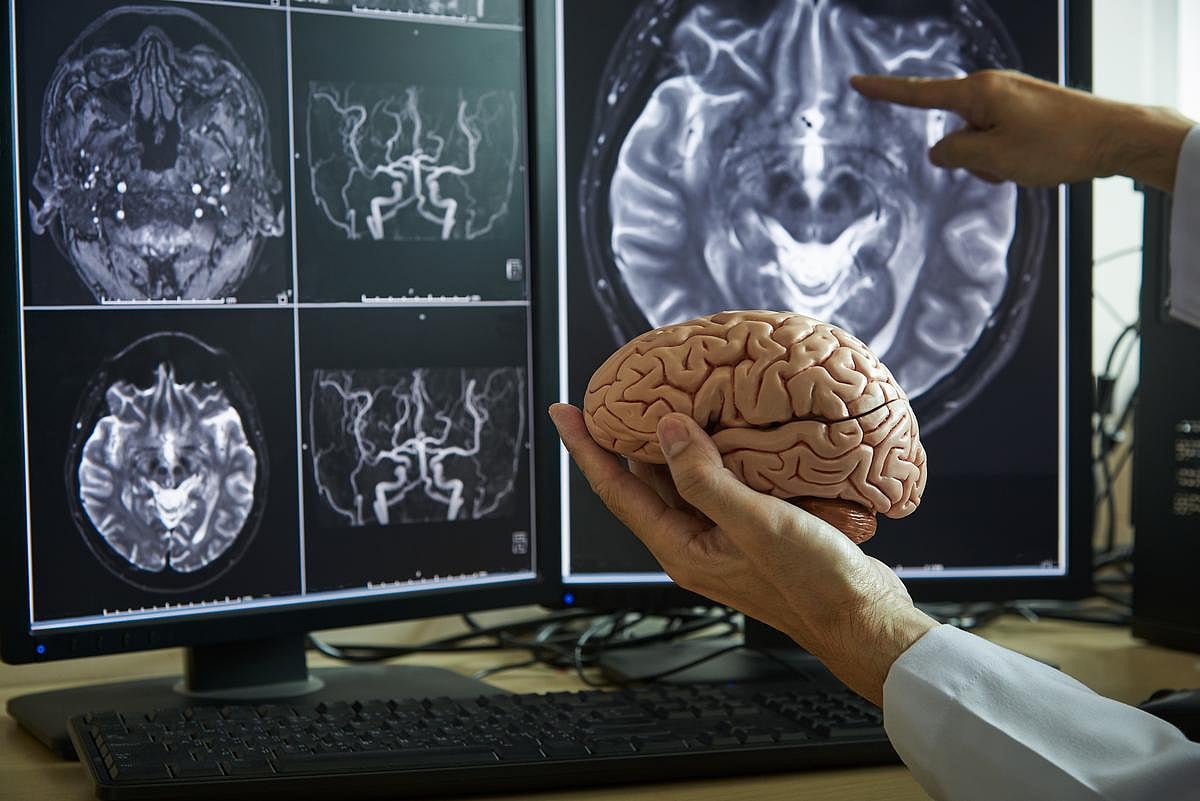 Brain Abnormalities Identified in Children at Risk for Schizophrenia
  Cortical Atrophy in Early-Onset Alzheimer Disease Signature Can Predict Progression to Dementia
 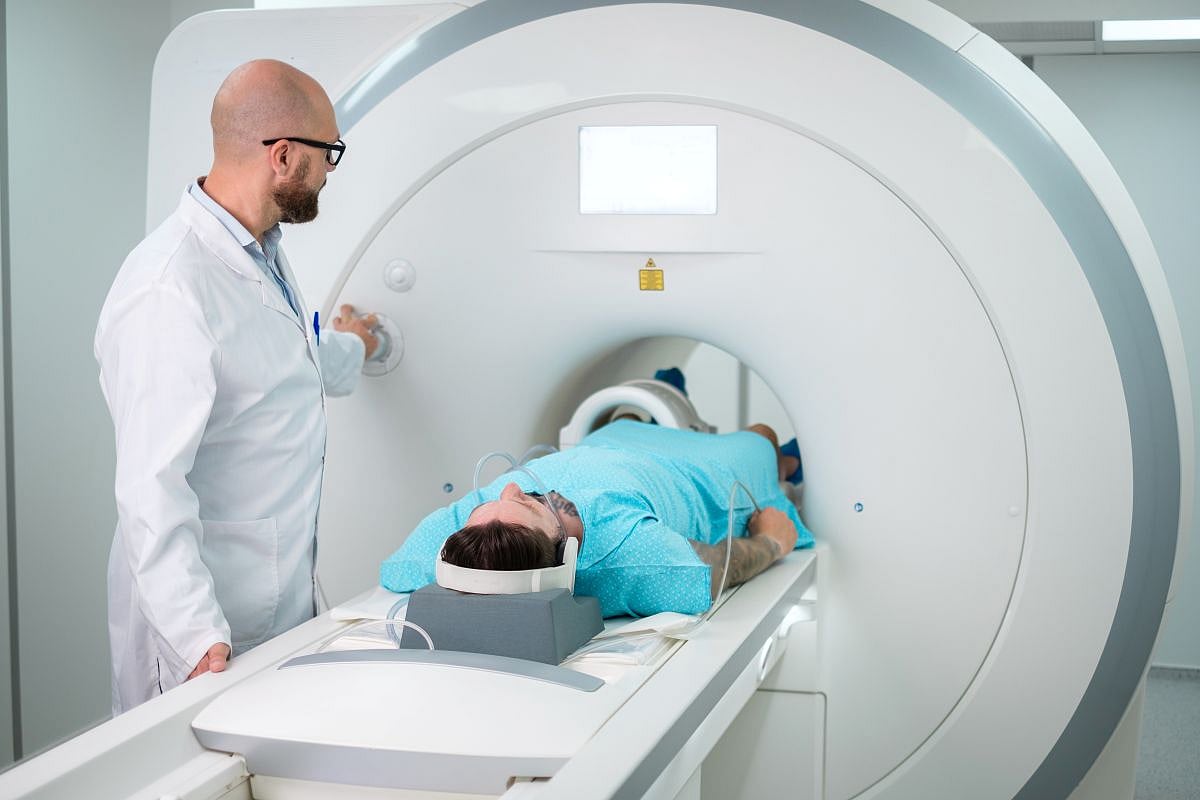 Pre-Prostate Biopsy MRI Use Increased From 2017 to 2026
  Insomnia Linked to Increased Risk for Stroke, Odds of Admission
  Increased Dementia Risk Seen After Transient Ischemic Attack
  PET/MRI Offers Diagnostic, Prognostic Value in Pediatric Epilepsy


.jpg)

