


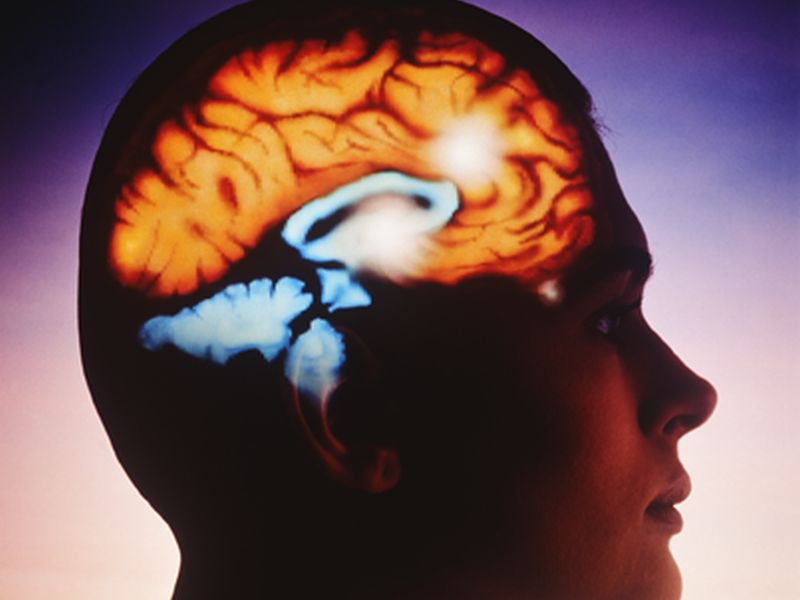
 Researchers found symptoms of eating disorder lessened in first 24 hours after treatment
THURSDAY, Jan. 26, 2017 (HealthDay News) — Electrical stimulation of the brain may temporarily ease the symptoms of bulimia nervosa, according to research published online Jan. 25 in PLOS ONE.
The study included two men and 37 women with bulimia who underwent 20-minute sessions of transcranial direct current stimulation to the dorsolateral prefrontal cortex. There was also one sham session where the electrode stimulation lasted only 30 seconds. Participants then reported their desire to binge eat, fear of weight gain, general mood, and frequency of bulimic behaviors in the 24 hours following treatment.
The researchers noted that all patients reported a reduction in bulimia symptoms during the 24 hours after undergoing transcranial direct current stimulation.
“The current research provides preliminary evidence that bilateral transcranial direct current stimulation to the dorsolateral prefrontal cortex has the potential to induce therapeutic effects in bulimia nervosa, at least temporarily. It also elucidates possible mechanisms of action and informs the design of future trials,” the authors write. “While only modest conclusions can be drawn regarding the clinical utility of transcranial direct current stimulation in bulimia nervosa, our findings offer support and justification for studies involving multi-session protocols.”
 Lower Vertebral Bone Mineral Density Linked to Cognitive Decline
  Estrogen Hormone Treatment May Be Beneficial for Brain Fog Symptoms in Menopausal Women
  Brain Abnormalities Identified in Children at Risk for Schizophrenia
  Cortical Atrophy in Early-Onset Alzheimer Disease Signature Can Predict Progression to Dementia
  Pre-Prostate Biopsy MRI Use Increased From 2017 to 2026
  Insomnia Linked to Increased Risk for Stroke, Odds of Admission
  Increased Dementia Risk Seen After Transient Ischemic Attack
  PET/MRI Offers Diagnostic, Prognostic Value in Pediatric Epilepsy


.jpg)

