


 Only 36 percent of patients request oral opioid meds in PACU despite receiving opioid-free anesthesia
TUESDAY, Oct. 24, 2017 (HealthDay News) — Opioid-free anesthesia is feasible and well-tolerated, and only 36 percent of patients requested oral opioids in the post-anesthesia care unit (PACU), according to a study presented at the annual meeting of the American Society of Anesthesiologists, being held Oct. 21 to 25 in Boston.
Enrico M. Camporesi, M.D., from the University of South Florida in Tampa, and colleagues conducted a retrospective review of surgical cases of 1,009 patients with a single anesthesiologist at an outpatient surgery center to describe the provision of anesthesia services without opioids. The opioid-free intraoperative anesthesia protocol included acetaminophen, magnesium, ketamine and lidocaine, and ketorolac (for adult patients if the surgeon allowed it). All patients also received Decadron, Zofran, and supplemental sevoflurane. Middle-ear surgery patients received gabapentin.
The researchers found that patients and surgeons reported satisfaction with the protocol for anesthesia, and postoperative pain management was well-tolerated. In the PACU, only 36 percent of patients requested oral opioid medications, with notably more pain medications for certain procedures, such as complex facial plastics and nasal/sinus surgeries with longer case lengths. More nausea medication was also required by patients in these two groups.
“In conclusion, safe anesthesia for multiple procedures varying in duration from an hour to several hours while using minimal opioids is possible,” the authors write.
 Withdrawal From Medetomidine Increasingly Seen in ICUs
 .jpg) Considerable Gaps Reported in Care for Youth With Opioid Use Disorder
Considerable Gaps Reported in Care for Youth With Opioid Use Disorder  Study Looks at Patient Experiences With Sedative Contaminating Fentanyl
 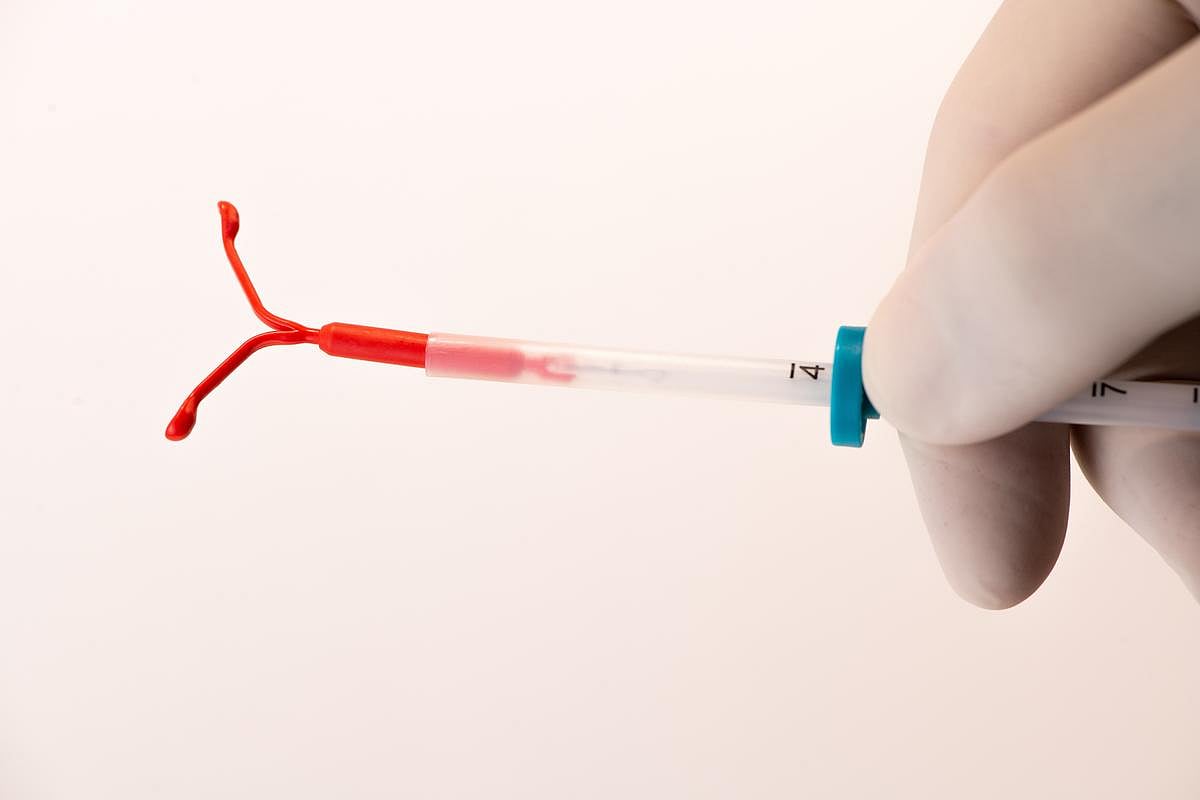 Intrauterine Instillation of Mepivacaine Reduces Pain of IUD Placement
  Ultrasound-Guided Hydrodissection Yields Improvements in Carpal Tunnel
  Physical Therapist-Supervised Exercise Improves Outcomes After ACL Reconstruction
  2013 to 2024 Saw Decrease in Benzodiazepine Prescribing
  2016 to 2024 Saw Increase in Patients Using Medical Cannabis




.jpg)