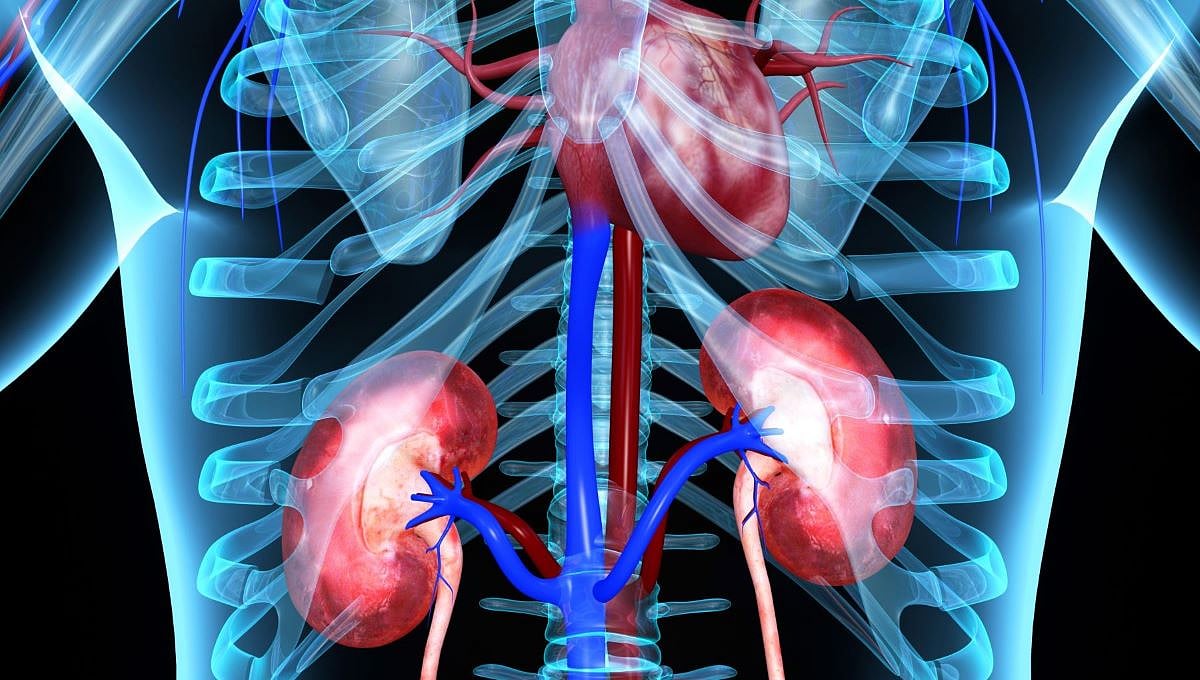
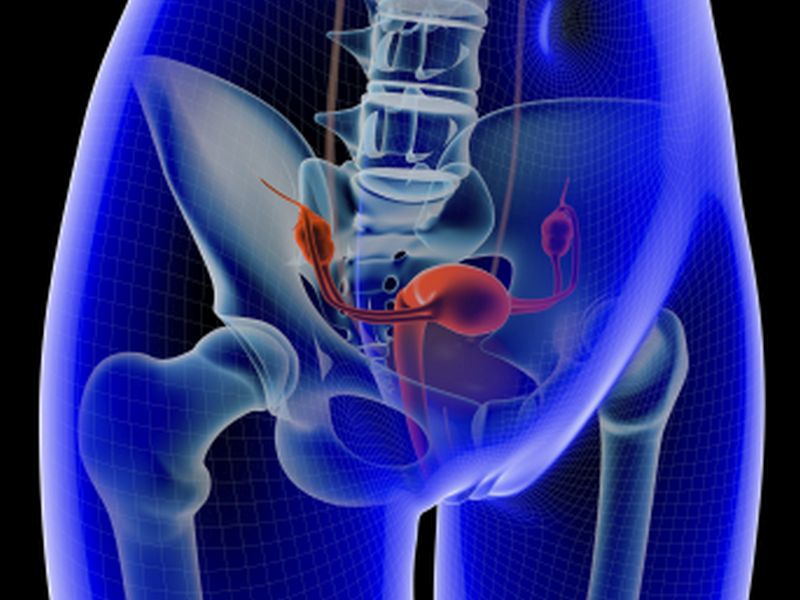
 Incidence of lower urinary tract injuries 0.33 percent for gynecologic laparoscopy for benign indications
WEDNESDAY, Dec. 13, 2017 (HealthDay News) — The incidence of lower urinary tract injuries is 0.33 percent for patients undergoing gynecologic laparoscopy for benign indications, according to a review published online Dec. 4 in Obstetrics & Gynecology.
Jacqueline M.K. Wong, M.D., from the Northwestern University Feinberg School of Medicine in Chicago, and colleagues conducted a systematic review of studies to examine the incidence, location, etiology, timing, management, and long-term sequelae of urinary tract injury in gynecologic laparoscopy for benign indication. Ninety studies met the inclusion criteria, representing 140,444 surgeries.
The researchers identified 458 lower urinary tract injuries with an incidence of 0.33 percent. Bladder injury occurred three times more often than ureteral injury (0.24 versus 0.08 percent). The highest rates of injury were seen for laparoscopic hysterectomy not otherwise specified and laparoscopically assisted vaginal hysterectomy (1.8 and 1.0 percent, respectively). Most ureteral and bladder injuries resulted from electrosurgery (33.3 percent) and lysis of adhesions (23.3 percent), respectively. Ureteral injuries were most often recognized postoperatively (60 percent) and repaired by open ureteral anastomosis (47.4 percent), while most bladder injuries were recognized intraoperatively (85 percent) and repaired by laparoscopic suturing (34.9 percent).
“These risk estimates can assist gynecologic surgeons in effectively counseling their patients preoperatively concerning the risks of lower urinary tract injury,” the authors write.
Abstract/Full Text (subscription or payment may be required)
 Adenotonsillectomy Tied to Increase in Respiratory Tract Infections in Children
  Robotic Arm-Assisted TKR Offers Similar Outcome to Conventional TKR
  Preoperative Chemo + Immunotherapy Combo Shrinks Head, Neck Cancer Tumors
  Safety Intervention Reduces Incidence of Postoperative Endophthalmitis
  First Metatarsophalangeal Joint Arthrodesis Eases Painful Hallux Rigidus
  Full, Limited Functional Endoscopic Sinus Surgery Beneficial in Rhinosinusitis With Nasal Polyps
  Plasmapheresis Linked to Improved Outcomes for MOGAD Attacks