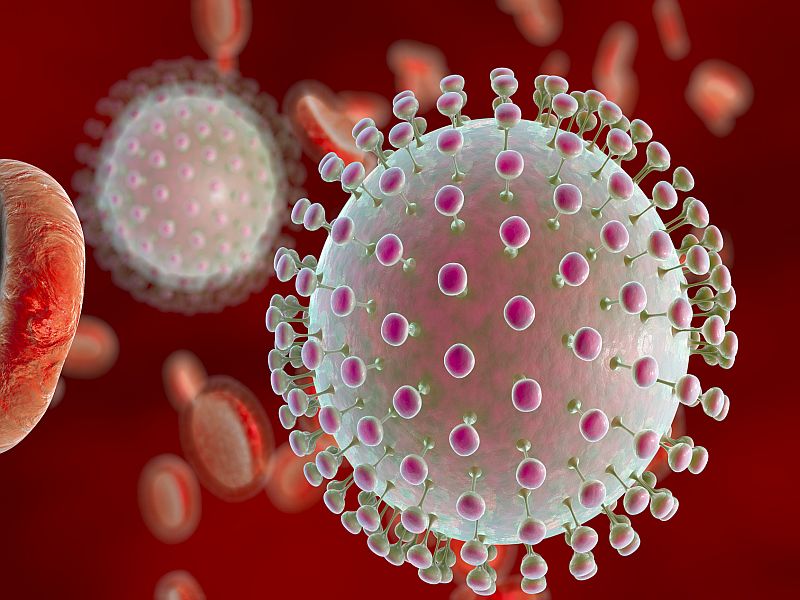
 All 19 children reported one of six adverse outcomes; 12 had three to five outcomes at 19 to 24 months
FRIDAY, Dec. 15, 2017 (HealthDay News) — Severe functional limitations are reported among children with microcephaly and laboratory evidence of Zika virus infection in infancy, according to research published in the Dec. 15 issue of the U.S. Centers for Disease Control and Prevention’s Morbidity and Mortality Weekly Report.
Ashley Satterfield-Nash, Dr.P.H., from the Oak Ridge Institute for Science and Education in Tennessee, and colleagues characterized the subsequent health and development of children with microcephaly and laboratory evidence of Zika virus infection in early infancy. Data were included for 19 children who were assessed through clinical evaluations, caregiver interviews, and review of medical records.
The researchers found that most of these children had severe motor impairment, seizure disorders, hearing and vision abnormalities, feeding difficulties, and sleep difficulties at follow-up (age 19 to 24 months; median 22 months). All children had at least one of these outcomes, 12 had three to five, and two had all six outcomes.
“This report provides information on the ongoing challenges facing children with severe congenital Zika virus syndrome; these children will require specialized care from clinicians and caregivers as they age,” the authors write. “These findings allow for anticipation of medical and social service needs of affected children and their families.”
 Global Prevalence of Eczema Estimated for Children, Teens
  Immunization Schedule for Children, Teens Updated for 2023
  Most Children Exposed to Makeup, Body Products for Play
  Surge in Severe Strep Cases in Children Was Really a Return to Normal: CDC
  2013 to 2022 Saw Increase in Group A Streptococcal Infections
  Rhinoviruses, Enteroviruses Persisted During Pandemic Among Pediatric Patients
  Genetic, Environmental Prenatal Risk Factors Play Role in Early Atopic Dermatitis
  Measles Outbreak in Ohio Declared Over After 85 Cases