


 No increased risk of autism spectrum disorder in association with prenatal Tdap vaccination
MONDAY, Aug. 13, 2018 (HealthDay News) — Prenatal tetanus, diphtheria, acellular pertussis (Tdap) vaccination is not associated with increased risk of autism spectrum disorder (ASD) in offspring, according to a study published online Aug. 13 in Pediatrics.
Tracy A. Becerra-Culqui, Ph.D., M.P.H., from Kaiser Permanente Southern California (KPSC) in Pasadena, and colleagues conducted a retrospective study of mother-child pairs. Data on maternal Tdap vaccination from pregnancy start to delivery date were obtained. Children were followed from birth to first ASD diagnosis, end of KPSC membership, or June 30, 2017.
The researchers found that women who were vaccinated were more likely to be Asian-American or Pacific Islander, be nulliparous, have a higher education, receive prenatal influenza vaccination, and give birth at term. Overall, 1.6 percent of children were diagnosed with ASD; the incidence rate was 3.78 and 4.05 per 1,000 person-years, respectively, in the Tdap exposed and unexposed groups (hazard ratio, 0.98; 95 percent confidence interval, 0.88 to 1.09). Prenatal Tdap vaccination was not associated with increased ASD risk in inverse probability of treatment weighting-adjusted analyses (hazard ratio, 0.85; 95 percent confidence interval, 0.77 to 0.95).
“Prenatal Tdap vaccination was not associated with an increased ASD risk,” the authors write. “We support recommendations to vaccinate pregnant women to protect infants, who are at highest risk of death after pertussis infection.”
Several authors disclosed financial ties to pharmaceutical companies, including GlaxoSmithKline Biologicals.
 Low Levels of Placental Growth Factor in Pregnancy Linked to Subsequent ADHD in Offspring
 Recommendations Issued for Use of Incretin-Based Meds in Pregnancy
 Maternal Vitamin D Status Linked to Preterm Delivery
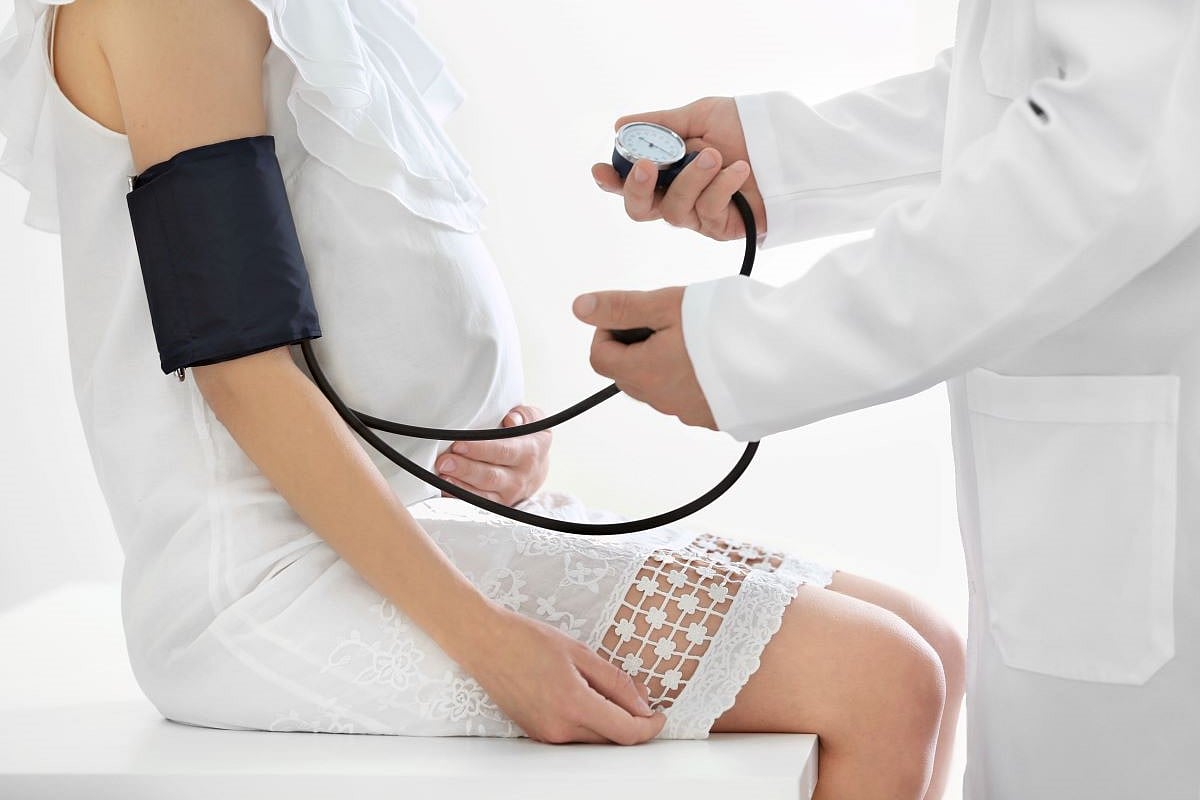 IBD Not Linked to Risk for Hypertensive Disorders of Pregnancy Overall
.jpg) Pregnancy Complications Linked to Subsequent Risk for Cardiometabolic-Renal Conditions
 Isometric Exercise Training Three Times a Week Preserves Cardiovascular Benefits
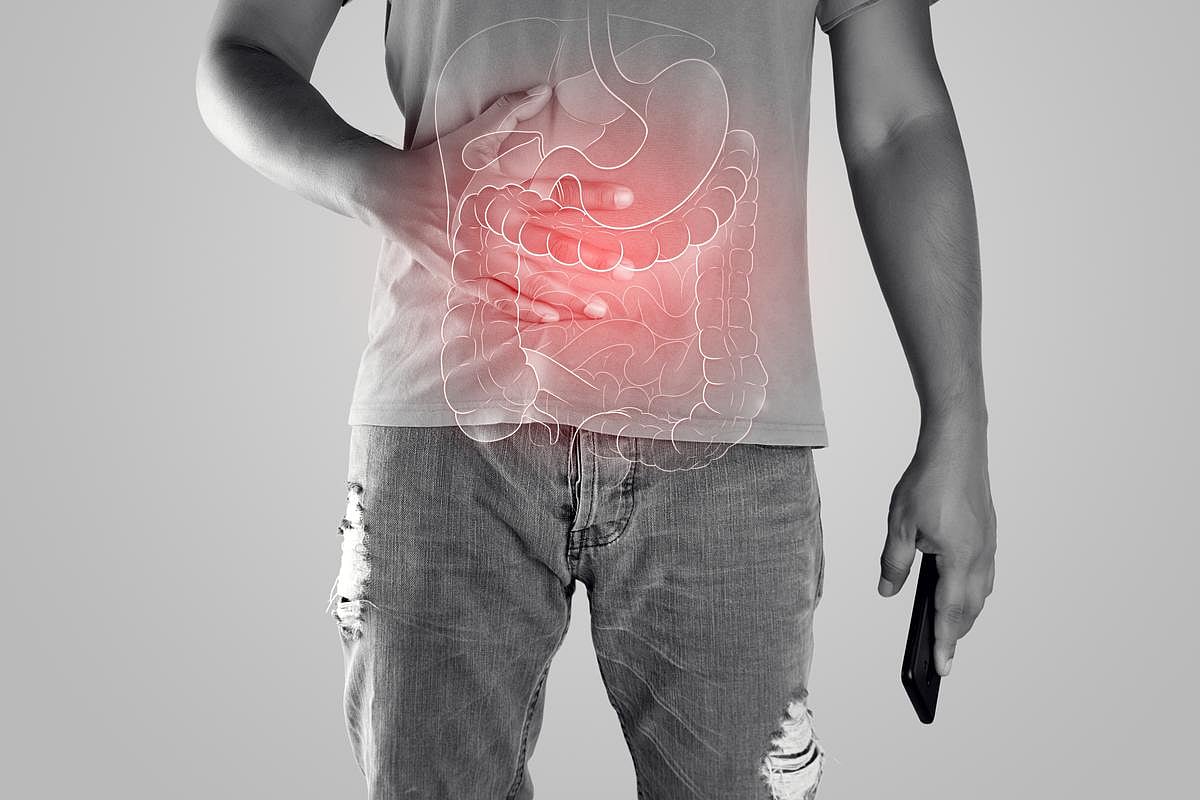 Serum 25(OH)D May Serve as Biomarker of Disease Activity in IBD
 Mom"s Poor Sleep in Late Pregnancy Linked to Offspring"s Obesity Risk in Early Childhood




.jpg)
