


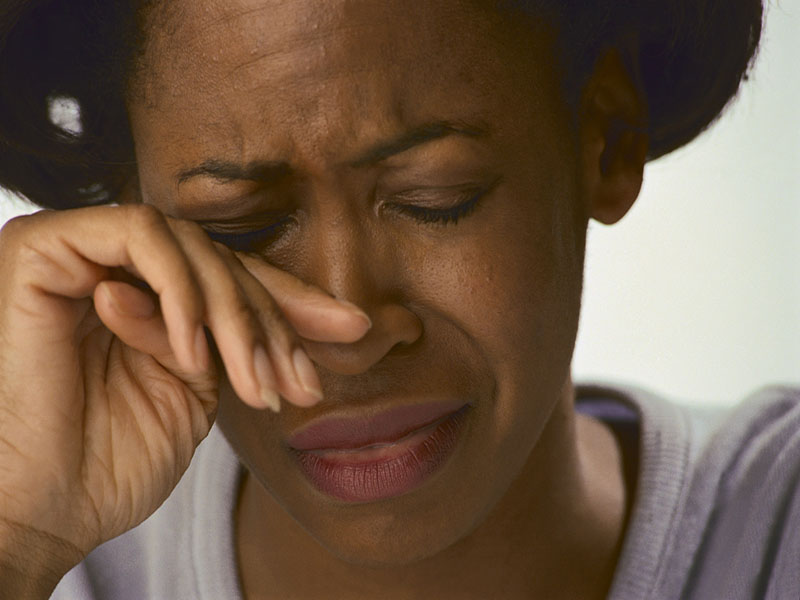
 Higher female stress scores — but not male scores — associated with slight drops in fecundability
THURSDAY, Oct. 11, 2018 (HealthDay News) — Higher levels of perceived stress are associated with slight decreases in fecundability among women but not men, according to a study recently published in the American Journal of Epidemiology.
Amelia K. Wesselink, Ph.D., from Boston University, and colleagues used data from the Pregnancy Study Online (2013 to 2018) to examine the association between female and male preconception perceived stress levels and fecundability among 4,769 women (aged 21 to 45 years) and their male partners (aged ≥21 years) who were attempting conception without fertility treatment.
The researchers found that higher female Perceived Stress Scale (PSS) scores were associated with slight reductions in fecundability (fecundability ratio comparing PSS ≥25 versus <10, 0.87; 95 percent confidence interval, 0.74 to 1.02). There was no association between male PSS scores and fecundability.
“Although this study does not definitely prove that stress causes infertility, it does provide evidence supporting the integration of mental health care in preconception guidance and care,” Wesselink said in a statement.
Abstract/Full Text (subscription or payment may be required)
 Heart Stress Based on NT-proBNP Changes May Improve CVD Risk Stratification
 Effect of Preparation Techniques Before Embryo Transfer Appears to Be Limited
 Childhood Body Size Linked to Subsequent Reproductive Outcomes
 Mental Distress, Fatigue Common in Childhood Survivors of Leukemia, Lymphoma
 Better Youth Fitness May Lower Risk for Depression in Adulthood
 2013 to 2024 Saw Decrease in Benzodiazepine Prescribing
 Childhood Cancer Survivors Often Have Mental Distress in Adulthood
 Insomnia Linked to Increased Risk for Stroke, Odds of Admission



.jpg)

