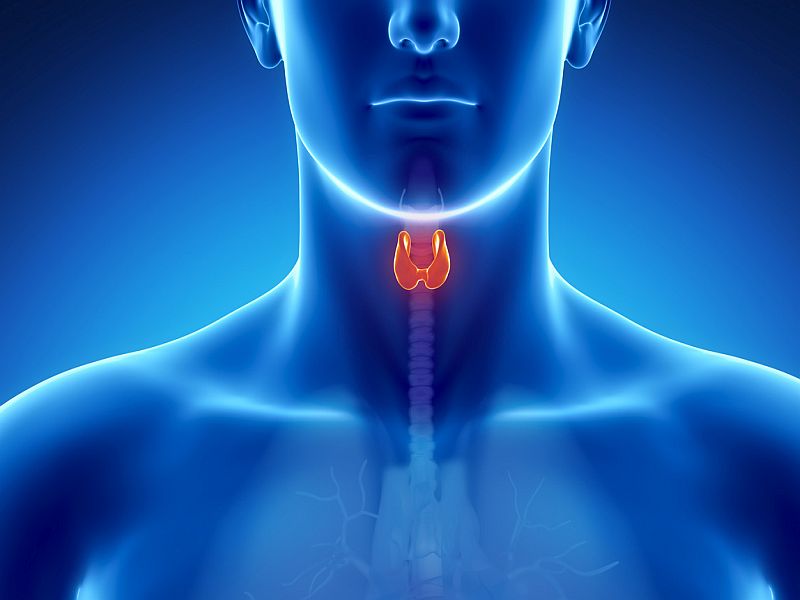
 ThyroSeq v3 has 94 percent sensitivity, 82 percent specificity for Bethesda III and IV nodules
FRIDAY, Nov. 9, 2018 (HealthDay News) — A multigene genomic classifier (GC) test for thyroid nodules with indeterminate cytology shows high sensitivity and negative predictive value, according to a study published online Nov. 8 in JAMA Oncology.
David L. Steward, M.D., from the University of Cincinnati Medical Center, and colleagues conducted a prospective study at 10 medical centers to determine the diagnostic accuracy of a GC test (ThyroSeq v3) for cytologically indeterminate thyroid nodules. A total of 256 patients with 286 nodules met the eligibility criteria; central pathology review was performed on 274 nodules.
The researchers found that 72 percent of the 286 nodules were benign, 24 percent were malignant, and 4 percent were noninvasive follicular thyroid neoplasms with papillary-like nuclei (NIFTP). Overall, 257 nodules (154 Bethesda III, 93 Bethesda IV, and 10 Bethesda V) had informative GC analysis; 61 and 39 percent were classified as negative and positive, respectively. The test demonstrated a 94 percent sensitivity and 82 percent specificity in Bethesda III and IV nodules. The negative predictive value was 97 percent, and the positive predictive value was 66 percent with a cancer/NIFTP prevalence of 28 percent. The 3 percent false-negative rate was comparable to that of benign cytology.
“Beyond simply differentiating benign and malignant nodules, the study shows that ThyroSeq also provides a detailed genetic profile of the positive nodules,” Steward said in a statement. “ThyroSeq potentially allows physicians to employ a precision medicine approach, modifying treatment for each patient based on the mutations present.”
The University of Pittsburgh Medical Center granted CBLPath Inc. a license to market ThyroSeq for commercial use.
 Gene Mutation Identified That Increases Lung Cancer Risk
  Genetics, Diabetes Tied to MASLD-Associated Cirrhosis Before Age 50
  Family History of CRC Increases CRC Risk Similarly in IBD, General Population
  Relapse Rare After Appendiceal Adenocarcinoma Resection
  Personalized Support Boosts Families" Genetic Testing for Hereditary Cancers
  Physical Therapist-Supervised Exercise Improves Outcomes After ACL Reconstruction
 .jpg) Cancer Survivors Have Lower Levels of Physical Activity
Cancer Survivors Have Lower Levels of Physical Activity  Early Complications Common in Older Kidney Transplant Recipients