 Low-virulent microorganisms detected using sonication on extracted hardware
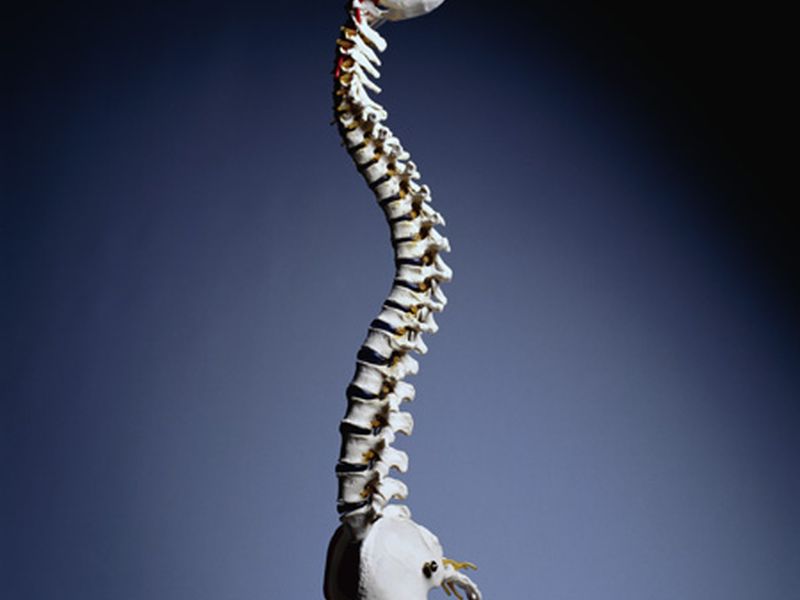
WEDNESDAY, June 12, 2019 (HealthDay News) — Low-virulent microorganisms frequently detected on pedicle screws may be an important cause of spinal implant loosening and failure in patients without signs of infection, according to a study recently published in the Journal of Neurosurgery: Spine.
Vincent Prinz, M.D., from Charité-Universittsmedizin Berlin, and colleagues used sonication to assess microbial colonization of extracted hardware from 82 patients (mean age, 65 years) undergoing revision surgery and removal of spinal implants. Consecutive patients between January 2015 and December 2017 were evaluated, including those with pedicle screw loosening but no clinical signs of infection.
The researchers found that 22 (40.7 percent) of the 54 patients with screw loosening had a positive sonication result, whereas none of the 28 patients without screw loosening had a positive sonication result. Among the 22 patients with positive sonication results, 24 microorganisms were detected. Coagulase-negative staphylococci (62.5 percent) and Cutibacterium acnes (formerly known as Propionibacterium acnes, 25 percent) were the most common isolated microorganisms. Duration of previous spine surgery was significantly longer among patients with a positive microbiological result (288 minutes) versus those with a negative result (201 minutes).
“Sonication is a highly sensitive approach to detect biofilm-producing bacteria, and it needs to be integrated into the clinical routine for optimized treatment strategies,” the authors write.
 Relapse Rare After Appendiceal Adenocarcinoma Resection
  Disparities Identified in Home Health Care After Hip, Knee Replacement
  Preoperative IV Iron Beneficial for Patients With Anemia Undergoing Cardiac Surgery
  Adenotonsillectomy Tied to Increase in Respiratory Tract Infections in Children
  Fractional Exhaled Nitric Oxide Elevated in Pediatric Chest Tightness Variant Asthma
  Physical Exams May Not Reliably Diagnose Pediatric Pneumonia
  Robotic Arm-Assisted TKR Offers Similar Outcome to Conventional TKR
  Preoperative Chemo + Immunotherapy Combo Shrinks Head, Neck Cancer Tumors