


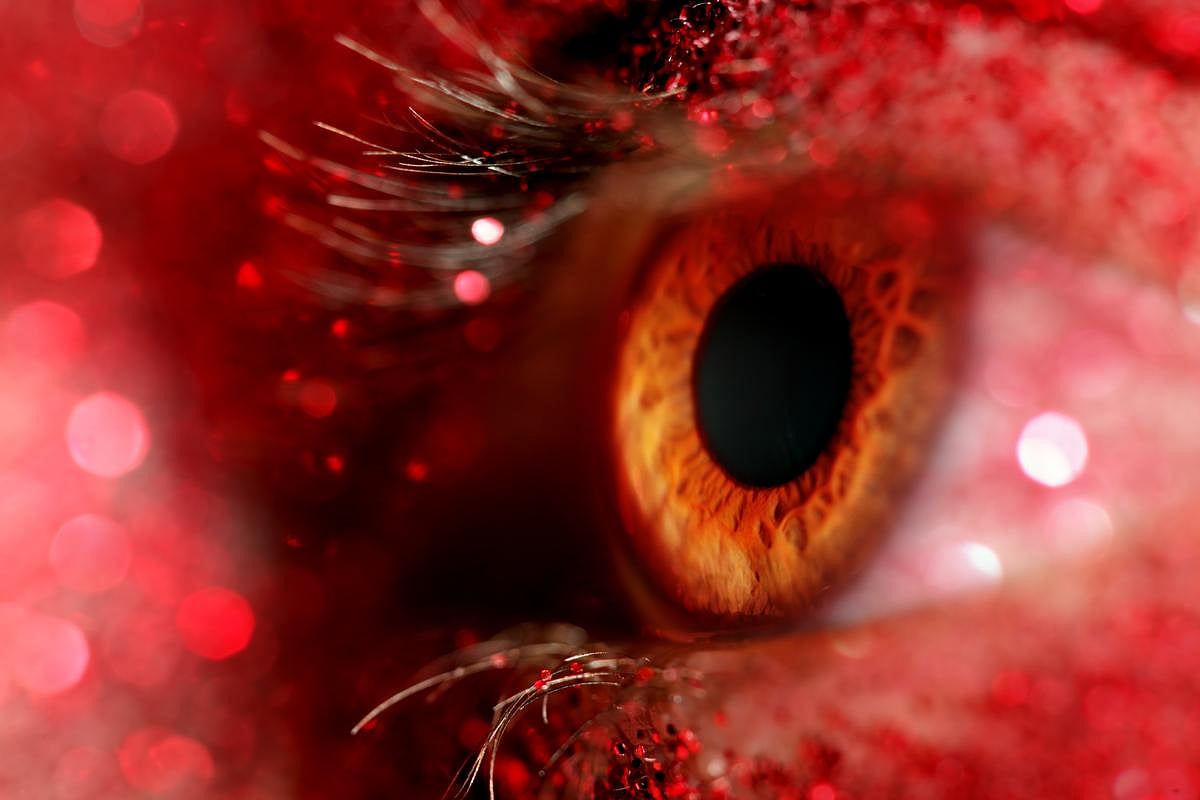
Additionally, most regular users have eye irritation and blocked glands surrounding the eye
FRIDAY, Sept. 11, 2026 (HealthDay News) — Regular use of eyelash extensions in young women is linked to skin mites, according to a study presented at the annual congress of the European Society of Cataract and Refractive Surgeons, held from Sept. 11 to 15 in London.
Tetiana Zhmud, M.D., from the National Pirogov Memorial Medical University in Vinnytsia, Ukraine, and colleagues surveyed 345 girls and women (aged 16 to 28 years) and then conducted microscopic examination of eyelashes from 25 who regularly underwent eyelash extension procedures.
The researchers found that overall, 24.9 percent of survey participants had experience with eyelash extensions. Among the girls and women who had undergone the procedure more than 10 times, meibography revealed meibomian gland dysfunction in 85 percent of them. Microscopic examination showed the presence of Demodex folliculorum in 24 of 25 of examined participants with eyelash extensions, including clinical manifestations of demodicosis in 18 of them. Clinical manifestations included itching and irritation of the eyelid margins, hyperemia, edema, eyelash sticking, scales, and cylindrical dandruff at the base of the lashes.
“Our findings do not suggest that people should completely avoid eyelash extensions. However, they highlight the importance of proper eyelid hygiene, awareness of symptoms, and timely assessment when symptoms arise,” Zhmud said in a statement. “For optimal care of eyelash extensions, the use of a preservative-free, hypoallergenic gel designed for therapeutic eyelid hygiene may be recommended twice daily using an eyelash cleansing brush. In individuals with confirmed Demodex infestation, a course of antiparasitic treatment may be considered.”
 Congenital Ichthyosis Linked to Allergic Disorders
  Distinct Skin Microbiome Features Emerge Before Atopic Disease Onset in Infants
  Freshwater Swimming Tied to Stomach Bugs, Skin Conditions
  Considerable Global Disparities Found in Access to Dermatological Care
  Hydrogel-Based Dermal Regenerative Template Shows Promise in Wound Reconstruction
  Extreme Heat Linked to 33 Clinically Reportable Diagnoses
  Psoriasis Linked to Impairment of Some Sleep Domains
  Collagen Supplements Beneficial for Dermal, Bone, Musculoskeletal Health


.jpg)

