About one-third identified as asymptomatic in nationwide, representative serosurveys conducted in England and Spain
TUESDAY, Jan. 26, 2021 (HealthDay News) — Nearly three-quarters of individuals with severe acute respiratory syndrome coronavirus 2 (SARS-CoV-2) infection remain asymptomatic, according to a systematic review published online Jan. 22 in the Annals of Internal Medicine.
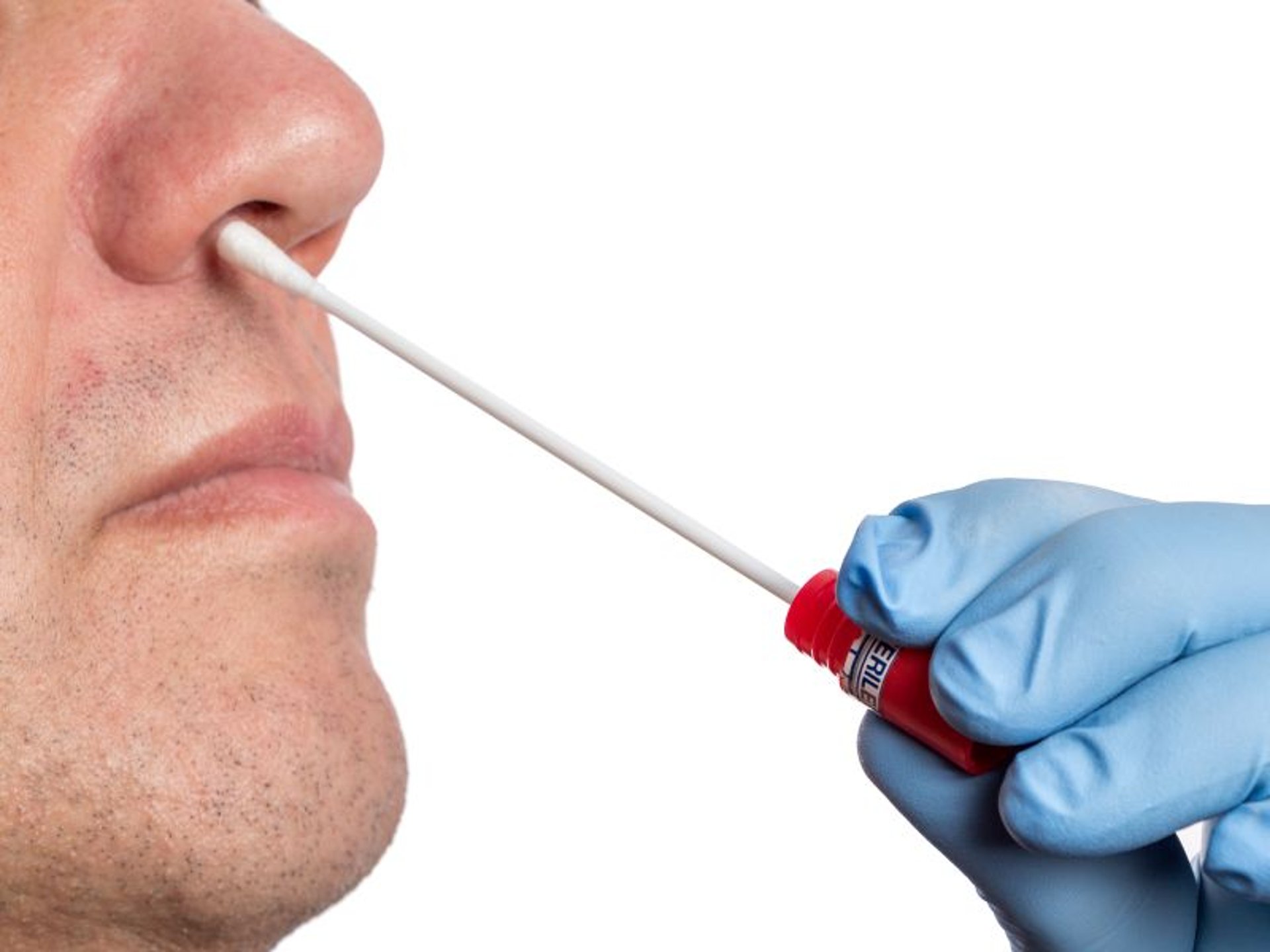
Daniel P. Oran and Eric J. Topol, M.D., from the Scripps Research Translational Institute in La Jolla, California, conducted a systematic review to estimate the proportion of persons infected with SARS-CoV-2 who never develop symptoms. Data were included from 61 eligible studies and reports, of which 43 and 18, respectively, used polymerase chain reaction testing of nasopharyngeal swabs to detect current SARS-CoV-2 infection and antibody testing to detect current or prior infection.
The researchers found that a median of 72.3 percent of persons who tested positive but had no symptoms at the time of testing remained asymptomatic, based on 14 studies with longitudinal data. The highest-quality evidence was obtained from nationwide, representative serosurveys conducted in England and Spain, which indicated that about one-third of those with SARS-CoV-2 infections were asymptomatic (32.4 and 33.0 percent, respectively).
“In light of the data presented here, we believe that COVID-19 control strategies must be altered, taking into account the prevalence and transmission risk of asymptomatic SARS-CoV-2 infection,” the authors write. “Frequent, inexpensive, rapid home tests to identify and contain presymptomatic or asymptomatic cases — along with government programs that provide financial assistance and, if necessary, housing to enable infected persons to isolate themselves — may be a viable option.”
 ~16 Percent of COVID Cases Develop Postacute Sequelae of SARS-CoV-2
  Parts of the World Seeing New COVID-19 Variant
  HHS, NIH Unveil Vaccine Initiative to Protect Against Future Pandemics
  Hospital-Onset SARS-CoV-2 Infection During Omicron Linked to Morbidity
  Staffing, Scheduling, and Wage Changes Could Reattract Nurses Back to Hospitals
  Skilled Nursing Facility Capacity Declined Between 2019 and 2024
  Physical Design of Critical Care Units Influences Nursing Culture
  Low Capability Pediatric Hospitals More Than Doubled From 2003 to 2022