No immediate indication seen that the variant is spreading in the state
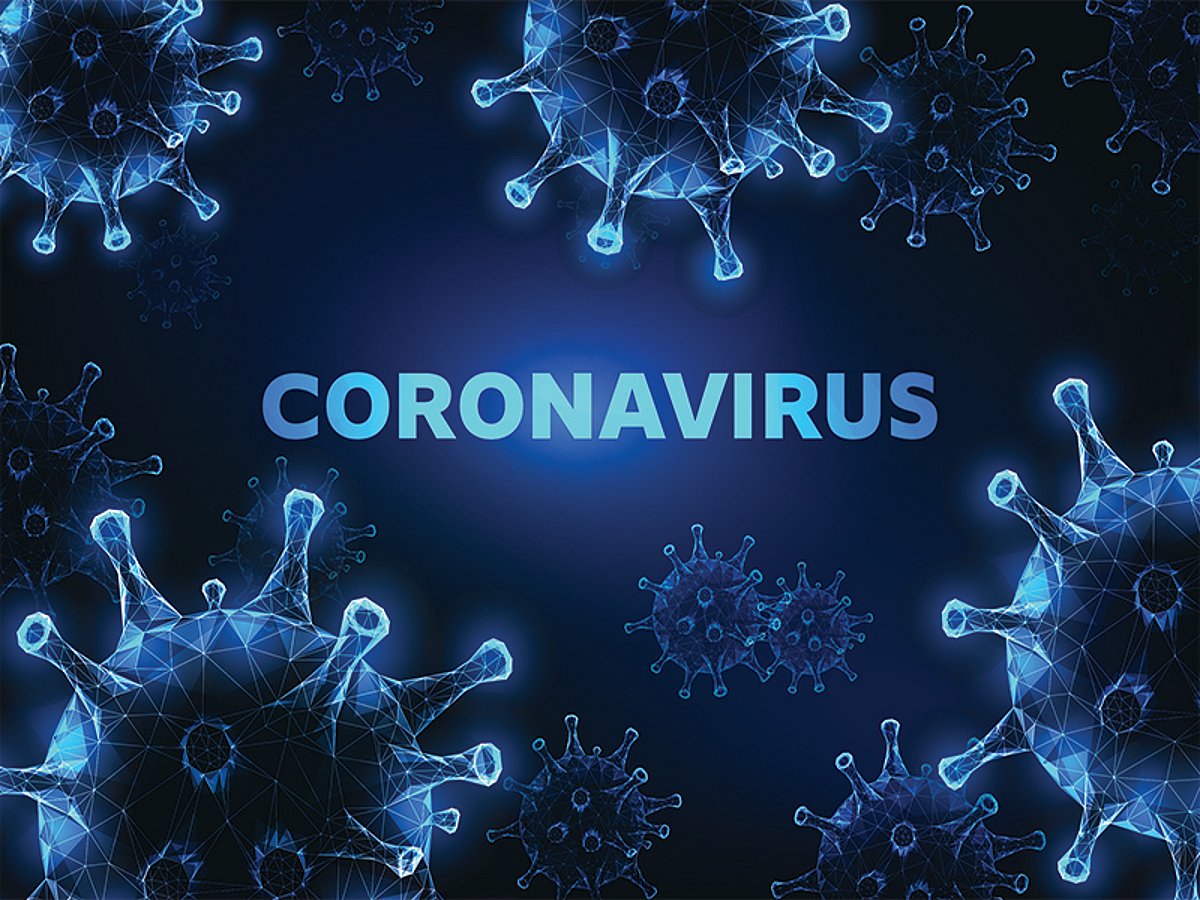
TUESDAY, Jan. 26, 2021 (HealthDay News) — The first known U.S. case of a more infectious Brazilian variant of the coronavirus has been confirmed in a person in Minnesota who recently traveled to Brazil, state health officials said Monday.
The patient lives in the Minneapolis-St. Paul area and became ill in the first week of January, according to the Minnesota Department of Health. The person is being interviewed for more information about their illness, travel, and contacts, the Associated Press reported. There was no immediate indication that the variant was spreading in the state.
“We know that even as we work hard to defeat COVID-19, the virus continues to evolve as all viruses do,” Minnesota Health Commissioner Jan Malcolm said in a statement. “That’s yet another reason why we want to limit COVID-19 transmission — the fewer people who get COVID-19, the fewer opportunities the virus has to evolve. The good news is that we can slow the spread of this variant and all COVID-19 variants by using the tried-and-true prevention methods of wearing masks, keeping social distance, staying home when sick, and getting tested when appropriate.”
Some researchers have raised a concern that people who have already been infected with COVID-19 could be reinfected with the Brazilian variant. The Brazilian variant was first diagnosed in four travelers who were tested at an airport outside Tokyo. It contains a set of mutations that may affect its ability to be recognized by immune system antibodies, according to the U.S. Centers for Disease Control and Prevention.
So far, three new variants of the coronavirus that causes COVID-19 have been identified. They emerged in the United Kingdom, South Africa, and Brazil, and scientists believe they spread more easily than the original virus, the AP reported.
 ~16 Percent of COVID Cases Develop Postacute Sequelae of SARS-CoV-2
  Parts of the World Seeing New COVID-19 Variant
  HHS, NIH Unveil Vaccine Initiative to Protect Against Future Pandemics
  Hospital-Onset SARS-CoV-2 Infection During Omicron Linked to Morbidity
  Staffing, Scheduling, and Wage Changes Could Reattract Nurses Back to Hospitals
  Skilled Nursing Facility Capacity Declined Between 2019 and 2024
  Physical Design of Critical Care Units Influences Nursing Culture
  Low Capability Pediatric Hospitals More Than Doubled From 2003 to 2022