


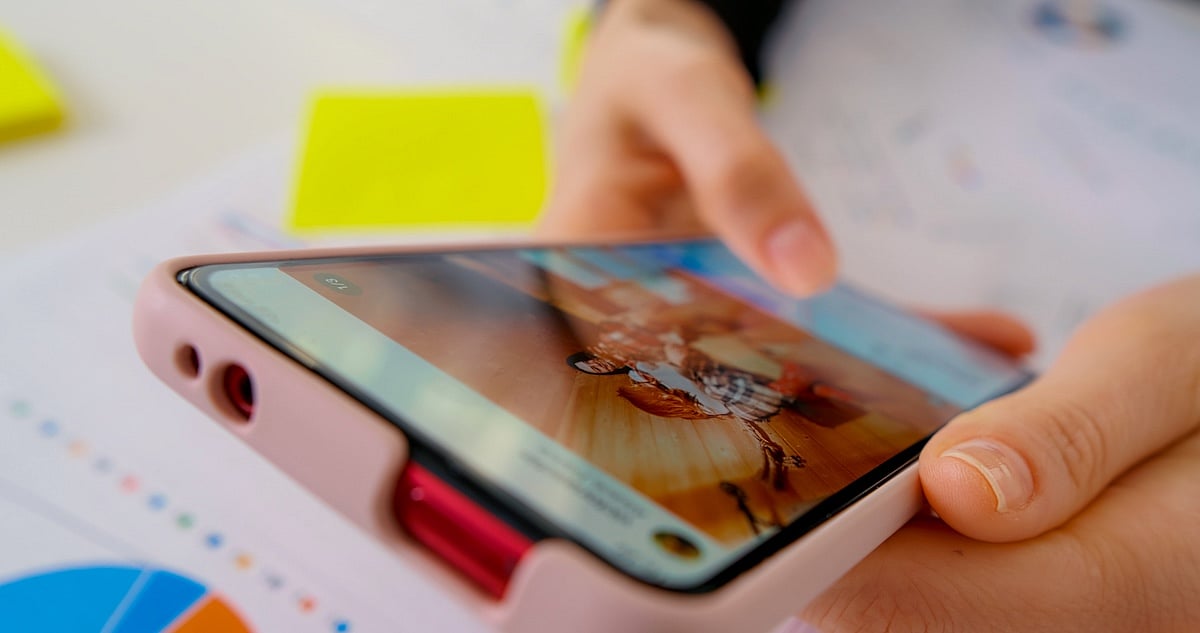
Findings based on pulse wave dynamics, skin bloodflow patterns, and spectral characteristics, using as little as five seconds of data
TUESDAY, Sept. 8, 2026 (HealthDay News) — A machine learning algorithm can detect hypertension and diabetes from facial videos, according to a study presented at the annual meeting of the European Society of Cardiology, held from Aug. 28 to 31 in Munich.
Ryoko Uchida, from the University of Tokyo Hospital, and colleagues developed and evaluated a machine learning algorithm that detects hypertension and diabetes from a brief facial video captured by a spectroscopic camera, without physical contact or blood sampling. The analysis included more than 200 consenting participants (patients and healthy volunteers).
The researchers’ algorithm used three categories of features from the video data: pulse wave dynamics, skin blood-flow patterns, and spectral characteristics. The pulse wave-based analysis achieved 95.0 percent accuracy for detecting hypertension using a 30-second recording in an ensemble model (normal blood pressure sensitivity, 100.0 percent; hypertension sensitivity, 89.2 percent) and achieved 90.3 percent accuracy using five seconds of data (normal blood pressure sensitivity, 98.3 percent; hypertension sensitivity, 84.5 percent). Using 30-second videos of blood-flow patterns achieved 88.2 percent accuracy for diabetes detection (receiver operating characteristic-area under the curve [ROC-AUC], 0.97) and 81.2 percent accuracy using a five-second video (ROC-AUC, 0.98). For blood pressure estimation using 30-second videos of the face only, a model built on three parallel models achieved a mean absolute percentage error of 9.7 percent and a model correlation coefficient of 0.968.
“It is remarkable that AI-supported technologies are enabling the development of such powerful tools for early disease prevention,” Nico Bruining, Ph.D., editor-in-chief of the European Heart Journal – Digital Health, said in a statement. “Because this approach is quick, easy and contactless, it could be used in many settings beyond hospitals, giving it the potential to reach far more people than traditional screening methods.”
One author disclosed financial ties to the biopharmaceutical industry.
.jpg) Pregnancy Complications Linked to Subsequent Risk for Cardiometabolic-Renal Conditions
Pregnancy Complications Linked to Subsequent Risk for Cardiometabolic-Renal Conditions  Isometric Exercise Training Three Times a Week Preserves Cardiovascular Benefits
  IBD Not Linked to Risk for Hypertensive Disorders of Pregnancy Overall
  Mortality in Injured Children Linked to Higher SBP Thresholds Than Those That Define Hypotension
  Extreme Heat Linked to 33 Clinically Reportable Diagnoses
  ADHD Poses Additional Concussion Challenges for Athletes
  High-Dose Intravenous Vitamin C May Benefit Trauma Patients
  Low Use of Protective Eyewear Reported Among Pickleball Players


.jpg)

