During press briefing, White House COVID-19 Response Team also addressed new mutant variants of coronavirus that have been surfacing
WEDNESDAY, Jan. 27, 2021 (HealthDay News) — Retired doctors and nurses are being called to the front lines of the U.S. COVID-19 vaccination effort, the White House COVID-19 Response team announced Wednesday.
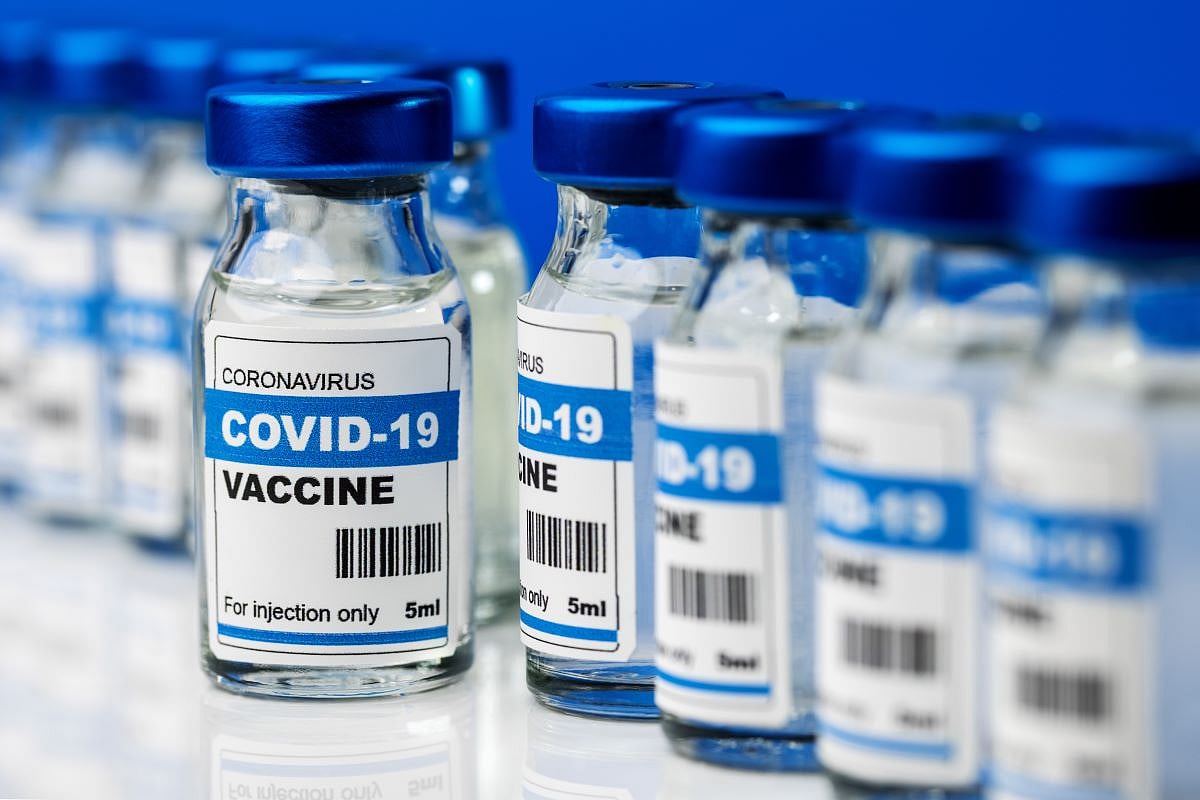
The U.S. Department of Health and Human Services is amending its rules to allow retired health professionals to administer COVID-19 vaccine shots, said Jeff Zients, the White House COVID-19 Response coordinator. The rules, drafted under the Public Readiness and Emergency Preparedness Act, will also be adapted to allow licensed doctors, nurses, and health practitioners to administer shots across state lines, Zients said.
The team also went over other strategies being implemented to increase vaccination rates across the United States, including the following: planning the launch of 100 community vaccination centers across the country during February; arranging to supply vaccines directly to pharmacies; standing up mobile vaccination clinics to reach underserved communities; and speeding up the production of low-dead-space syringes that can squeeze an extra sixth dose out of Pfizer vaccine vials.
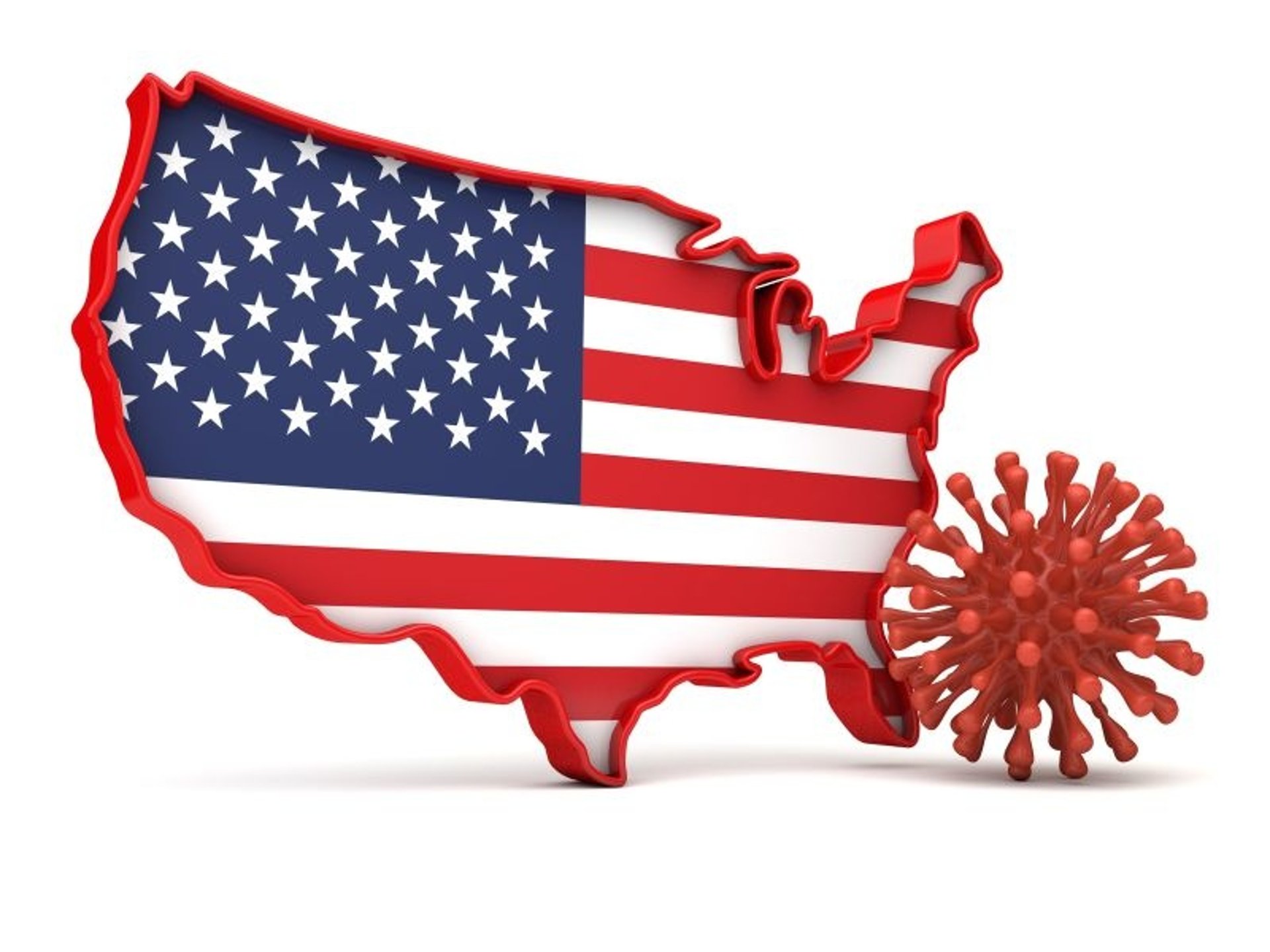
The White House team also addressed the new mutant variants of coronavirus that have been surfacing. New and more infectious coronavirus variants are beginning to appear in the United States, but all have remained vulnerable to the two vaccines now being distributed to Americans.
There have been 308 cases of the British variants confirmed in 26 states as of Jan. 26, said Rochelle Walensky, M.D., director of the U.S. Centers for Disease Control and Prevention. The variant has been found in 47 countries to date. Public health officials this week also identified the first U.S. case of the Brazilian variant, which appeared in Minnesota, Walensky said. That variant has only been spotted in five countries. A third variant from South Africa, which popped up in 20 countries, has not been detected yet in this country, Walensky added.
 ~16 Percent of COVID Cases Develop Postacute Sequelae of SARS-CoV-2
  Parts of the World Seeing New COVID-19 Variant
  HHS, NIH Unveil Vaccine Initiative to Protect Against Future Pandemics
  Hospital-Onset SARS-CoV-2 Infection During Omicron Linked to Morbidity
  Staffing, Scheduling, and Wage Changes Could Reattract Nurses Back to Hospitals
  Skilled Nursing Facility Capacity Declined Between 2019 and 2024
  Physical Design of Critical Care Units Influences Nursing Culture
  Low Capability Pediatric Hospitals More Than Doubled From 2003 to 2022