 Fasting blood glucose at admission predicts 28-day mortality in patients without known diabetes
TUESDAY, July 14, 2020 (HealthDay News) — For COVID-19 patients without a previous diagnosis of diabetes, fasting blood glucose (FBG) ≥7.0 mmol/L is an independent predictor of 28-day mortality, according to a study published online July 10 in Diabetologia.
Sufei Wang, from Tongji Medical College in Wuhan, China, and colleagues enrolled 605 COVID-19 patients with a definitive 28-day outcome and FBG measurement at admission from Jan. 24 to Feb. 10, 2020, from two hospitals in Wuhan. Demographic and clinical data, 28-day outcomes, in-hospital complications, and CRB-65 scores were examined; CRB-65 was used as a measure for assessing pneumonia severity.
The researchers found that 114 of the patients died in the hospital. In a multivariable analysis, independent predictors for 28-day mortality included age (hazard ratio, 1.02), male sex (hazard ratio, 1.75), CRB-65 score 1 to 2 (hazard ratio, 2.68), CRB-65 score 3 to 4 (hazard ratio, 5.25), and FBG ≥7.0 mmol/L (hazard ratio, 2.30). In those with FBG ≥7.0 mmol/L and 6.1 to 6.9 mmol/L versus <6.1 mmol/L, the odds ratios for 28-day in-hospital complications were 3.99 and 2.61, respectively.
“FBG ≥7.0 mmol/L at admission is an independent predictor for 28-day mortality in patients with COVID-19 without previous diagnosis of diabetes,” the authors write. “Glycemic testing and control should be recommended for all COVID-19 patients even if they do not have pre-existing diabetes, as most COVID-19 patients are prone to glucose metabolic disorders.”
 Continuous Glucose Patterns May ID Cardiometabolic Risk Without Diabetes
 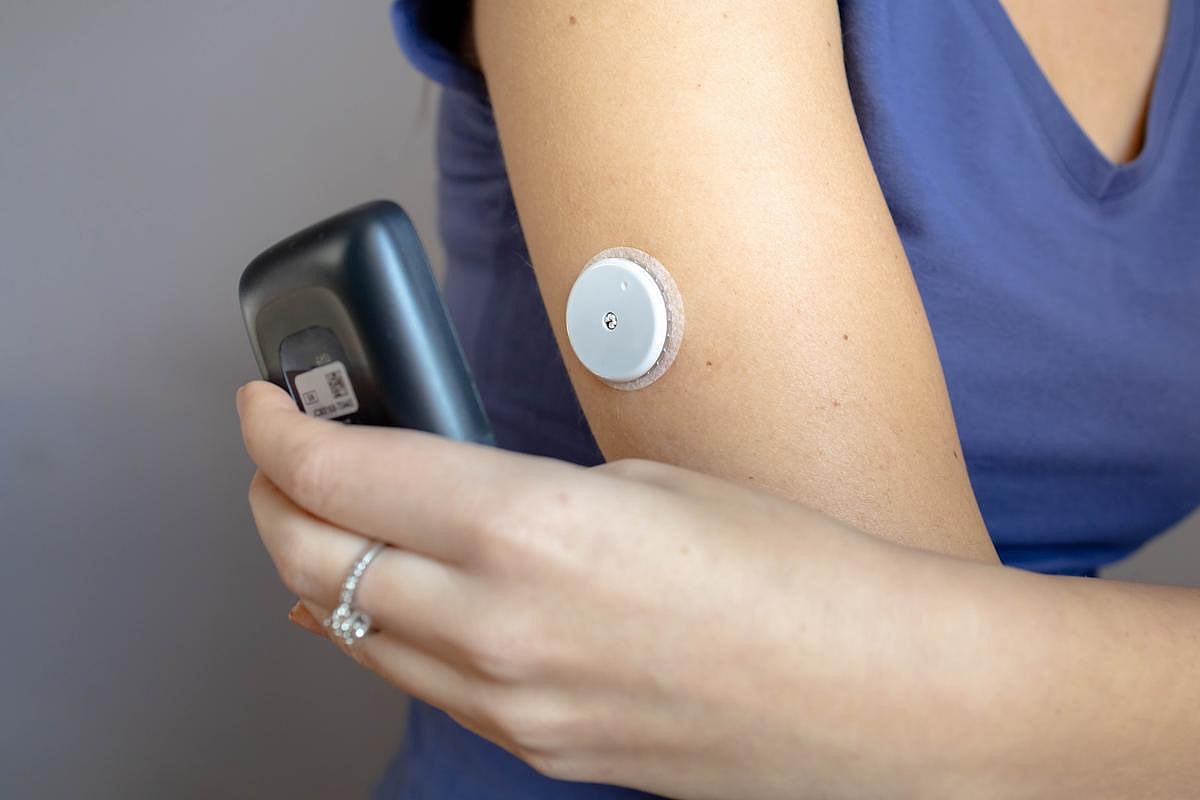 Primary Care Initiation of Continuous Glucose Monitoring Is Effective
  ~16 Percent of COVID Cases Develop Postacute Sequelae of SARS-CoV-2
  Continuous Glucose Monitors Not Accurate in People Without Diabetes
  GLP-1 Receptor Agonists, SGLT-2is Slow Renal Function Decline in T2D With Albuminuria
 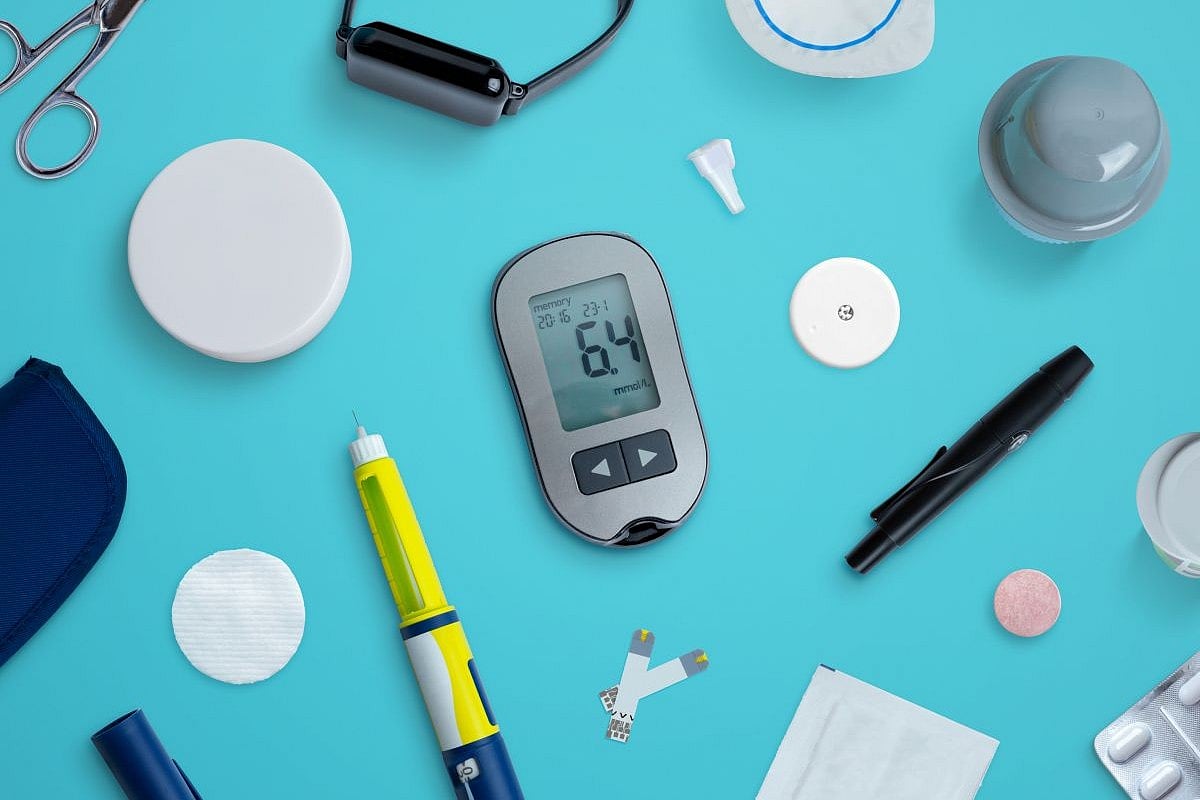 Study IDs Risk Factors for Ketoacidosis in Adults With T2D Receiving SGLT2 Inhibitors
 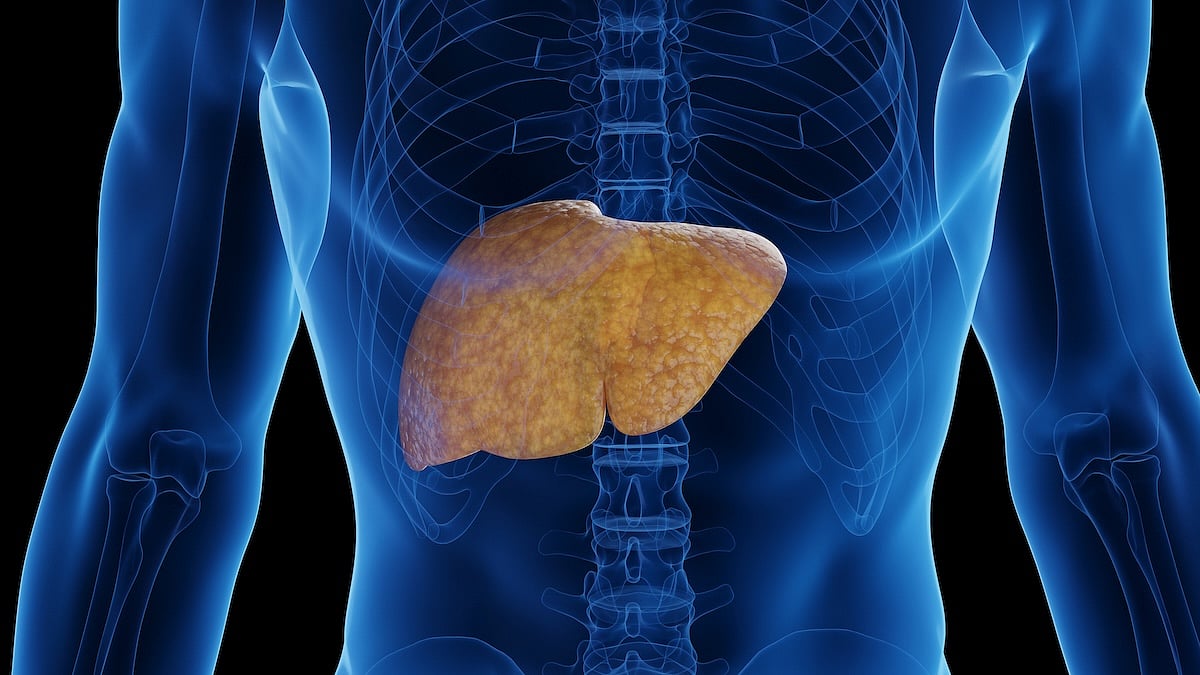 Genetics, Diabetes Tied to MASLD-Associated Cirrhosis Before Age 50
  Long-Term Medication Adherence Tied to Lower Cardiovascular Event Rate in Type 2 Diabetes