


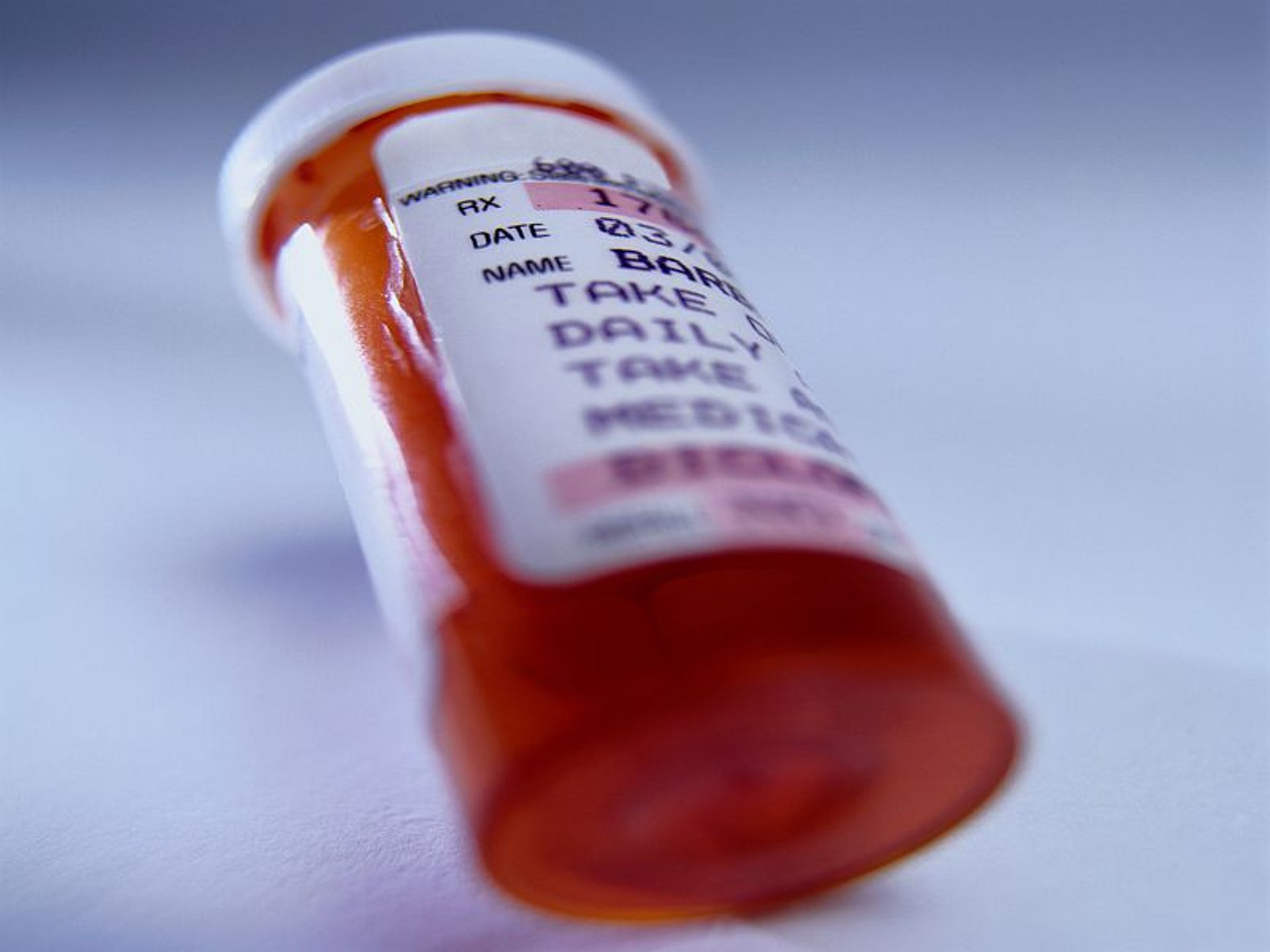
 Cancer survivors have similar rates of prescription opioid misuse versus those without cancer
TUESDAY, Aug. 18, 2020 (HealthDay News) — Cancer survivors have higher rates of prescription opioid use but do not have increased rates of prescription opioid misuse compared with those without a history of cancer, according to a study published online Aug. 17 in JAMA Network Open.
Vikram Jairam, M.D., from the Yale University School of Medicine in New Haven, Connecticut, and colleagues conducted a cross-sectional study involving 169,162 respondents to the National Survey on Drug Use and Health from January 2015 to December 2018 to compare the prevalence and likelihood of prescription opioid use and misuse for adult cancer survivors and respondents without cancer.
Of the respondents, 5.2 percent were cancer survivors, with 1.2 and 4.0 percent reporting having more recent and less recent cancer histories, respectively. The researchers found that compared with respondents without cancer, the rates of prescription opioid use were higher for more recent cancer survivors and less recent cancer survivors (54.3 and 39.2 percent, respectively, versus 20.5 percent; odds ratios, 1.86 [95 percent confidence interval (CI), 1.57 to 2.20; P < 0.001] and 1.18 [95 percent CI, 1.08 to 1.28; P < 0.001], respectively). More recent and less recent survivors have similar rates of prescription opioid misuse compared with respondents without cancer (3.5 and 3.0 percent, respectively, versus 4.3 percent; odds ratios, 1.27 [95 percent CI, 0.82 to 1.96; P = 0.36] and 1.03 [95 percent CI, 0.83 to 1.28; P = 0.76], respectively). Among cancer survivors, younger age, alcohol use disorder, and nonopioid drug use disorder were significantly associated with prescription opioid misuse.
“These findings suggest that increased prescription opioid use among cancer survivors does not necessarily translate to a higher risk of misuse,” the authors write.
Two authors disclosed financial ties to the medical technology industry.
.jpg) Rates of Drug Use-Associated Infective Endocarditis Declined From 2020 to 2022
 Nonpharmacologic Therapy Cuts Opioid Use Disorder Risk With Low Back Pain
 Obesity Linked to Early-Onset Cancer Risk in Young Adults
 Response to Autologous HSCT Durable for Patients With Systemic Sclerosis
 Adverse Pathological Features Do Not Predict Benefit of Hormone Therapy in Prostate Cancer
 Lung Transplant Can Prolong Survival in Stage IV NSCLC
 Organ Transplant Survival Rising, but Organ Shortages Persist
 Presurgical Pembrolizumab Beneficial for Desmoplastic Melanoma





