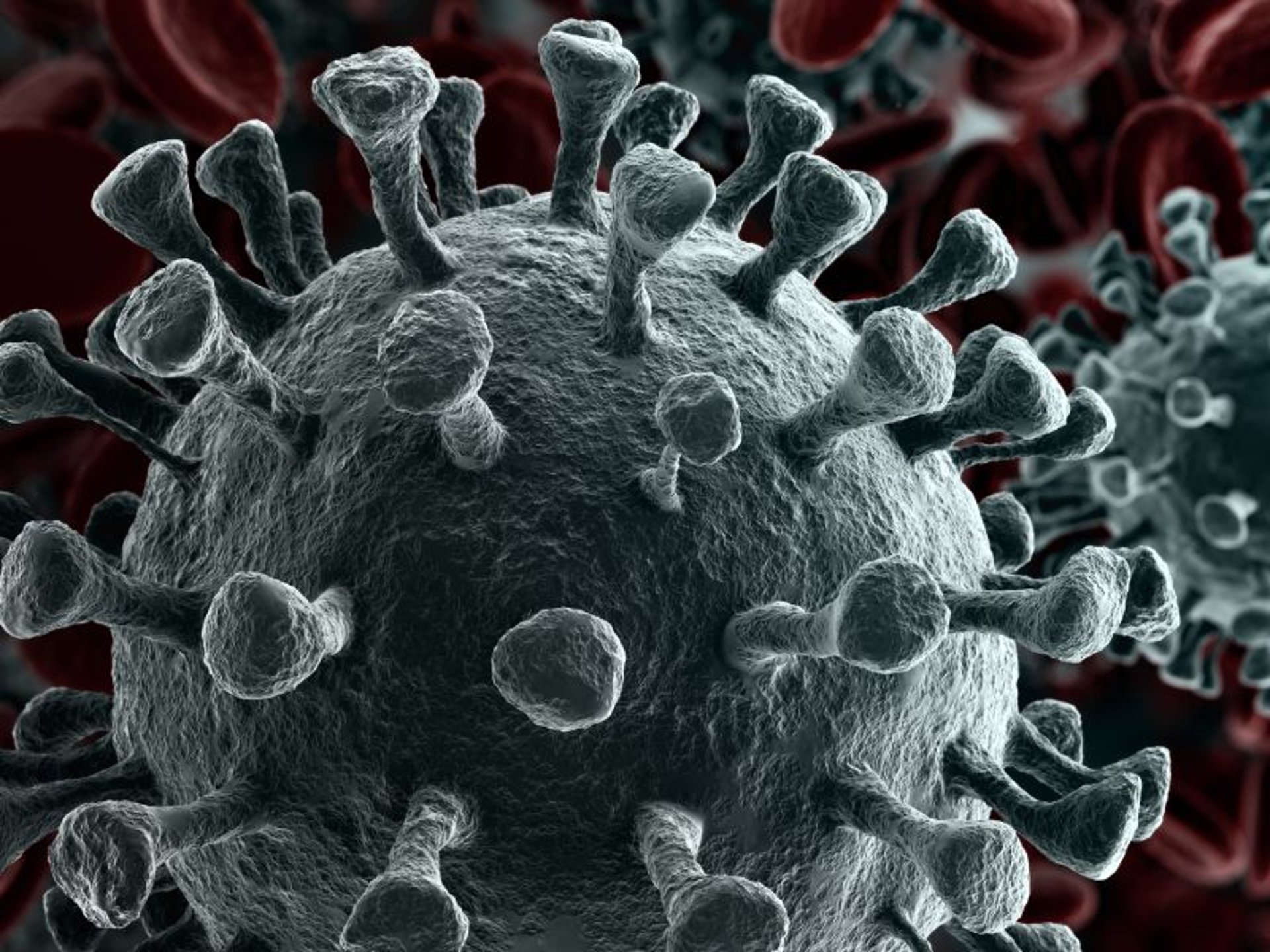
 Suggests that immunity to the new coronavirus may last only a few months in some people
MONDAY, Aug. 24, 2020 (HealthDay News) — The world’s first confirmed case of reinfection with the new coronavirus has been reported in Hong Kong.
That is cause for concern because it suggests that immunity to the new coronavirus may last only a few months in some people, and there are implications for vaccines under development, according to The New York Times. “An apparently young and healthy patient had a second case of COVID-19 infection which was diagnosed 4.5 months after the first episode,” University of Hong Kong researchers said Monday in a statement. The 33-year-old man in Hong Kong had mild symptoms the first time he was infected, and no symptoms the second time. The researchers said his reinfection was discovered after he returned from a trip to Spain, and the strain he had closely matched one circulating in Europe in July and August.
“Our results prove that his second infection is caused by a new virus that he acquired recently rather than prolonged viral shedding,” according to Kelvin Kai-Wang To, M.D., a clinical microbiologist at the University of Hong Kong. Recovered people can shed viral fragments for weeks, which can cause a positive test result even though there is no live virus, The Times reported.
Several cases of suspected reinfection have been seen in the United States and elsewhere, but none were confirmed, The Times reported. There are millions of cases of COVID-19 infection worldwide, so it is not unexpected that some people might be reinfected with the virus within a few months, according to experts.
 ~16 Percent of COVID Cases Develop Postacute Sequelae of SARS-CoV-2
  Parts of the World Seeing New COVID-19 Variant
  HHS, NIH Unveil Vaccine Initiative to Protect Against Future Pandemics
  Hospital-Onset SARS-CoV-2 Infection During Omicron Linked to Morbidity
  Staffing, Scheduling, and Wage Changes Could Reattract Nurses Back to Hospitals
  Skilled Nursing Facility Capacity Declined Between 2019 and 2024
  Physical Design of Critical Care Units Influences Nursing Culture
  Low Capability Pediatric Hospitals More Than Doubled From 2003 to 2022



.jpg)