


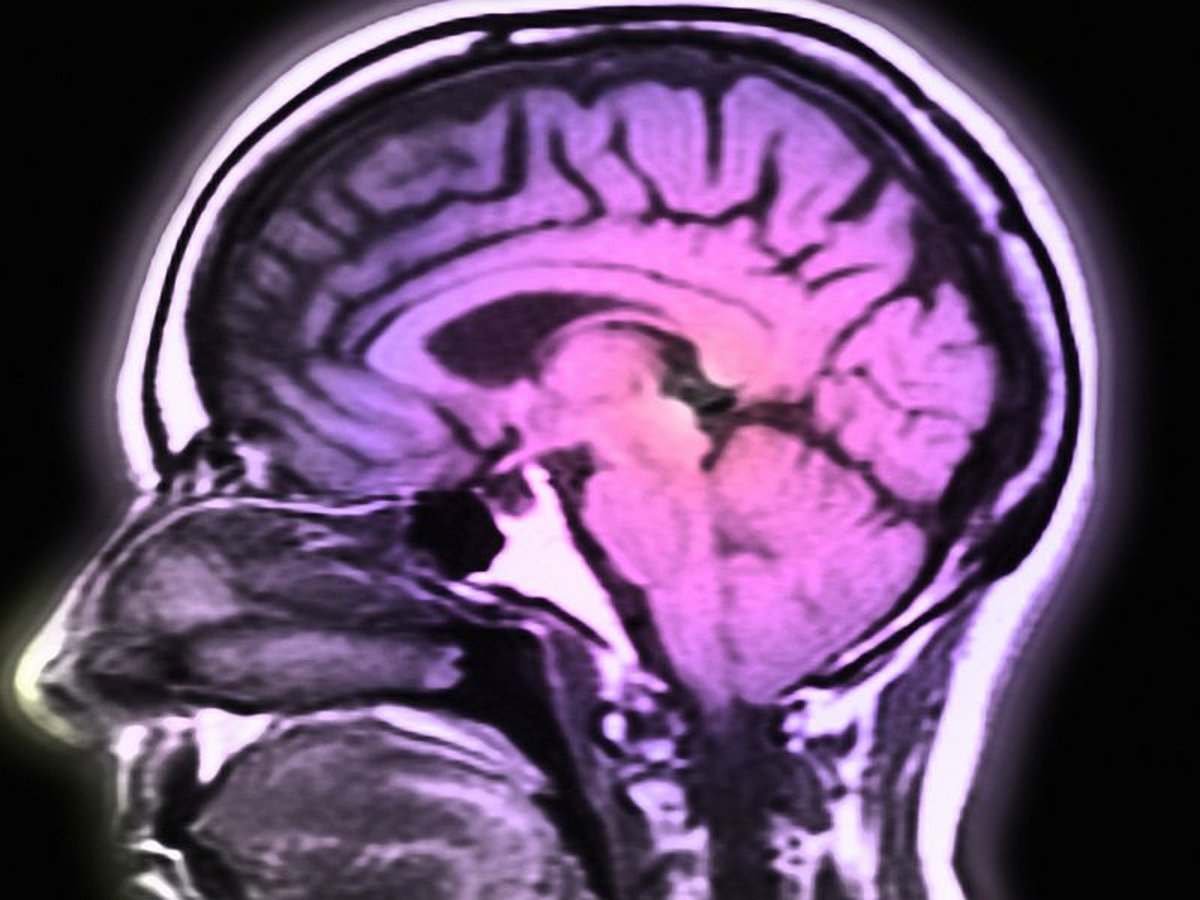
 Better response to cognitive behavioral therapy linked to greater activation in certain areas of brain
WEDNESDAY, Sept. 2, 2020 (HealthDay News) — Brain scans may predict which type of therapy will be most effective for obsessive-compulsive disorder (OCD) in teens and adults, according to a study published online Aug. 28 in The American Journal of Psychiatry.
Luke J. Norman, Ph.D., from University of Michigan in Ann Arbor, and colleagues randomly assigned 87 patients with OCD (age range, 12 to 45 years; 57 women) to receive 12 weeks of cognitive behavioral therapy (CBT) or stress management therapy (SMT; active control). Before treatment, functional magnetic resonance imaging scans were conducted in patients performing an incentive flanker task.
The researchers found that within the CBT group, a better treatment response was significantly associated with greater pretreatment activation within the right temporal lobe and rostral anterior cingulate cortex during cognitive control and within the ventromedial prefrontal, orbitofrontal, lateral prefrontal, and amygdala regions during reward processing. Reduced pretreatment activation within an overlapping set of regions was significantly associated with a better treatment response to SMT.
“Such treatment-specific associations are important for the development of biomarkers to personalize treatment in OCD,” the authors write.
One author disclosed financial ties to the pharmaceutical industry.
Abstract/Full Text (subscription or payment may be required)
 Pre-Prostate Biopsy MRI Use Increased From 2017 to 2026
  Lower Vertebral Bone Mineral Density Linked to Cognitive Decline
  PET/MRI Offers Diagnostic, Prognostic Value in Pediatric Epilepsy
  Dense Breast Notification Linked to Increase in Use of Supplemental Ultrasound
 .jpg) Most Specialty Oral Anticancer Meds for Blood Cancers Are Initially Rejected by Insurers
Most Specialty Oral Anticancer Meds for Blood Cancers Are Initially Rejected by Insurers  Gap Found Between Awareness of Breast Cancer Risk and Risk-Reducing Behavior
  Exercise Intervention Linked to Improved Attention, Memory in Breast Cancer
  Mammography Trials Yield Excess-Incidence Patterns Consistent With Low Overdiagnosis



