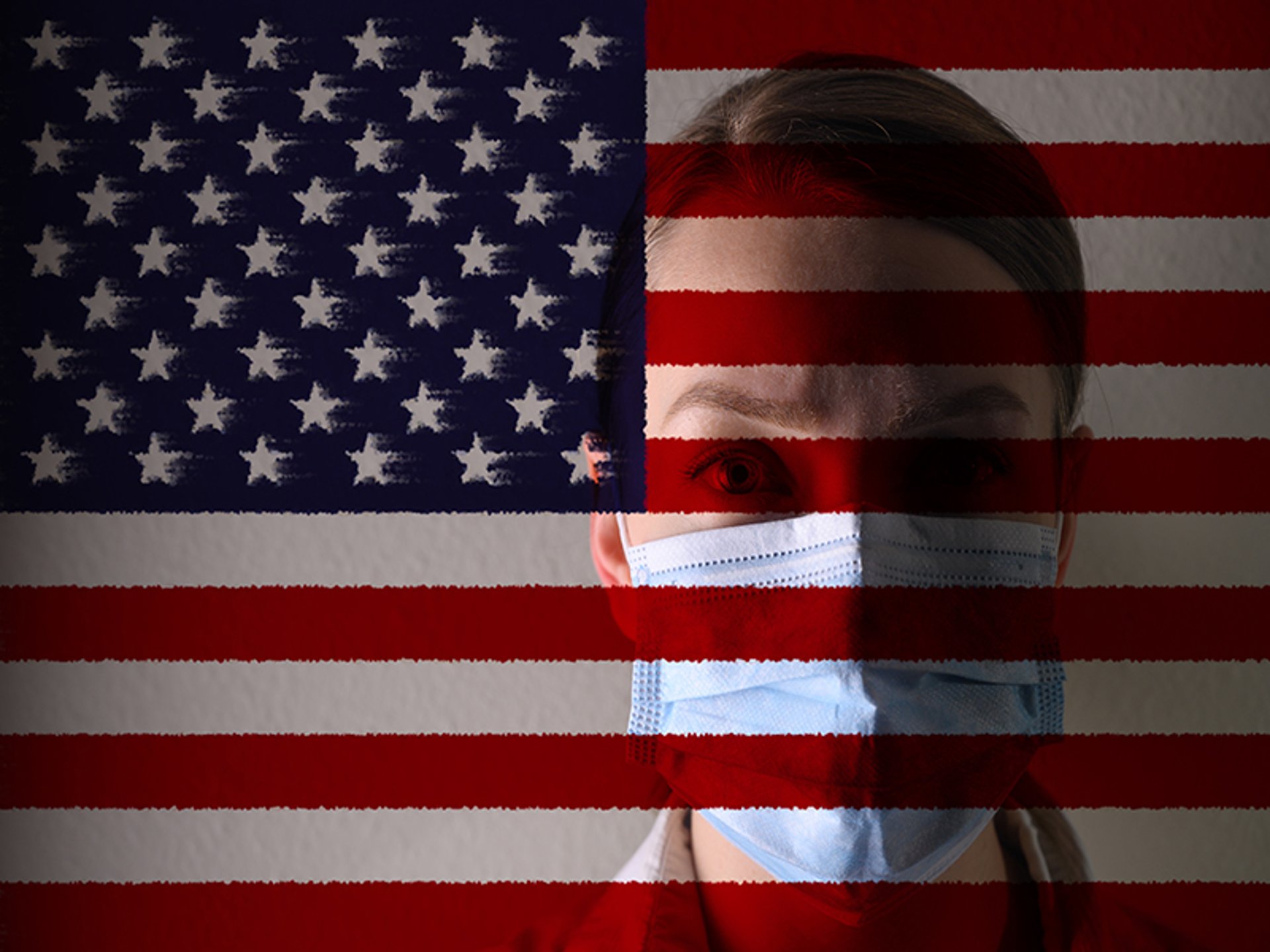
 A cold-weather surge of COVID-19 cases could trigger a much-feared ‘second wave’ of infections and deaths
TUESDAY, Sept. 8, 2020 (HealthDay News) — In a sobering illustration of the toll the COVID-19 pandemic took this summer, tallies now show the number of Americans who have died of the infection jumped from just under 100,000 to more than 186,000 between Memorial Day and Labor Day, while cases more than quadrupled to over 6.2 million.
As troubling as those statistics are, public health experts warn that fall and winter could be even worse, the Washington Post reported. A cold-weather surge of COVID-19 cases could trigger a much-feared “second wave” of infections and deaths that begins well before Election Day in November, though scientists believe the crest of cases would come weeks later.
A model produced by the University of Washington Institute for Health Metrics and Evaluation (IHME) predicts a daily death toll of 1,907 on Election Day, roughly double the current number. Under the IHME forecast, the numbers would continue to rise until early December, peaking at more than 2,800 deaths daily. By year’s end, more than 410,000 will have died under the model’s most likely scenario. That is more than double current total.
“I firmly believe we will see distinct second waves, including in places that are done with their first waves. New York City, I’m looking at you,” Andrew Noymer, Ph.D., an epidemiologist at the University of California at Irvine, told the Post. “I expect fall waves starting in mid-October and getting worse as fall heads into winter, and reaching a crescendo certainly after the election,” he told the newspaper. “Some places will peak around Thanksgiving, some places will peak around Christmas, some places not until January and February.”
 ~16 Percent of COVID Cases Develop Postacute Sequelae of SARS-CoV-2
  Parts of the World Seeing New COVID-19 Variant
  HHS, NIH Unveil Vaccine Initiative to Protect Against Future Pandemics
  Hospital-Onset SARS-CoV-2 Infection During Omicron Linked to Morbidity
  Staffing, Scheduling, and Wage Changes Could Reattract Nurses Back to Hospitals
  Skilled Nursing Facility Capacity Declined Between 2019 and 2024
  Physical Design of Critical Care Units Influences Nursing Culture
  Low Capability Pediatric Hospitals More Than Doubled From 2003 to 2022



.jpg)