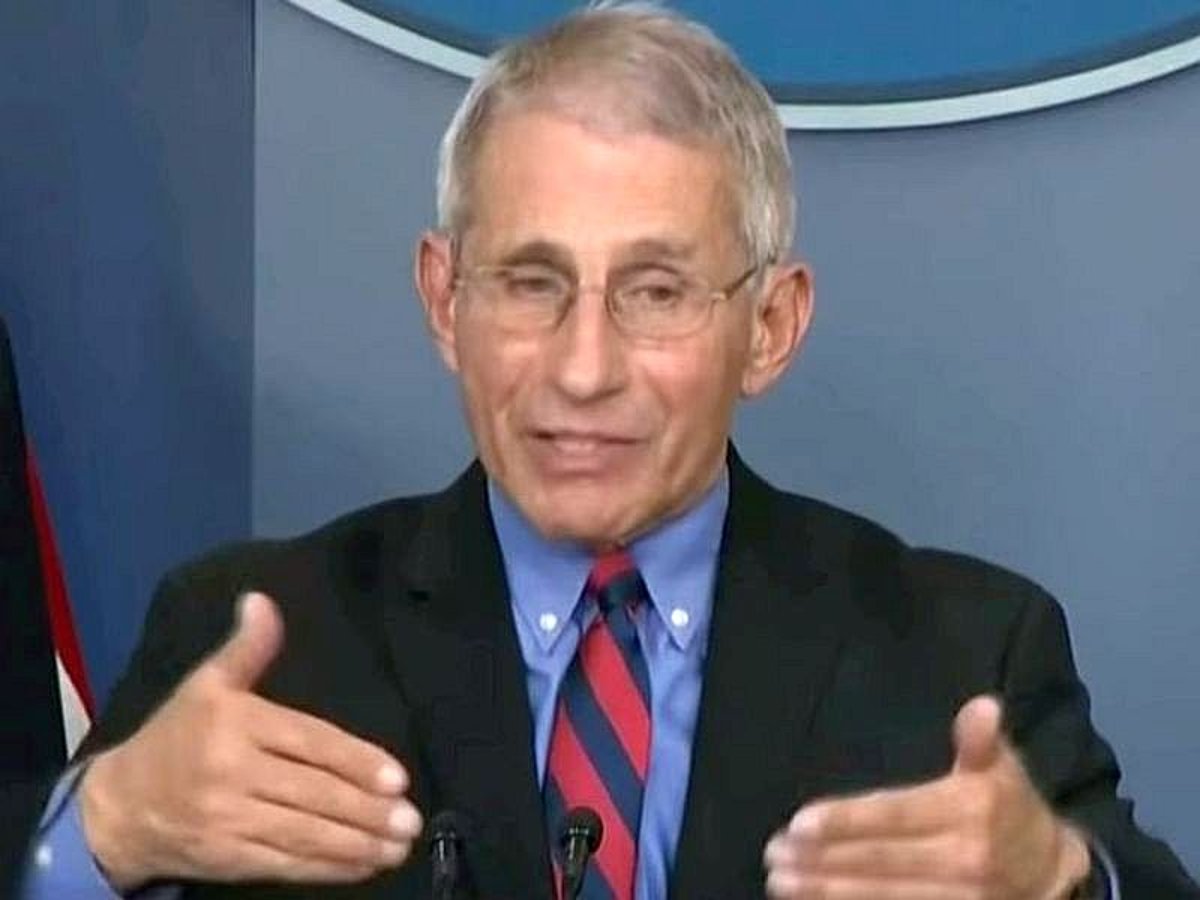
Fauci said he hopes ‘we could pull together as a country’ and recognize the importance of mask wearing
THURSDAY, Oct. 29, 2020 (HealthDay News) — America’s leading infectious disease expert called for a national mask mandate on Wednesday as COVID-19 cases surged across the country.
After expressing regret that face masks have not been more widely adopted, Anthony Fauci, M.D., said for the first time on Wednesday that the United States needs a nationwide mask mandate to combat the rising tide of COVID-19 infections, The Washington Post reported. Until now, Fauci has been reluctant to back such a sweeping policy, telling reporters in September that a national mandate “probably would not work.”
But in an interview with CNBC on Wednesday, Fauci said that he had hoped “we could pull together as a country” and recognize the importance of mask wearing without the government getting involved. When questioned whether it was time for a national mask mandate, Fauci said, “You know, yes. If we don’t get one, I would hope that the mayors and the governors do it locally.”
Earlier on Wednesday, Fauci was also asked about a potential mask mandate during a question-and-answer session hosted by the Journal of the American Medical Association. He stressed the key to avoiding future lockdowns was getting 90 percent or more of the population to wear masks, The Post reported. Calling the prospect of a new round of stay-at-home measures “almost radioactive,” Fauci said that Americans would have to “at least do the fundamental, basic things” if they want to avoid additional shutdowns. “What we can’t have is this very inconsistent wearing that you see, where some states absolutely refuse to wear a mask,” he said.
 ~16 Percent of COVID Cases Develop Postacute Sequelae of SARS-CoV-2
  Parts of the World Seeing New COVID-19 Variant
  HHS, NIH Unveil Vaccine Initiative to Protect Against Future Pandemics
  Hospital-Onset SARS-CoV-2 Infection During Omicron Linked to Morbidity
  Staffing, Scheduling, and Wage Changes Could Reattract Nurses Back to Hospitals
  Skilled Nursing Facility Capacity Declined Between 2019 and 2024
  Physical Design of Critical Care Units Influences Nursing Culture
  Low Capability Pediatric Hospitals More Than Doubled From 2003 to 2022