Genomic load independent risk factor for composite outcome of death, intubation, ECMO
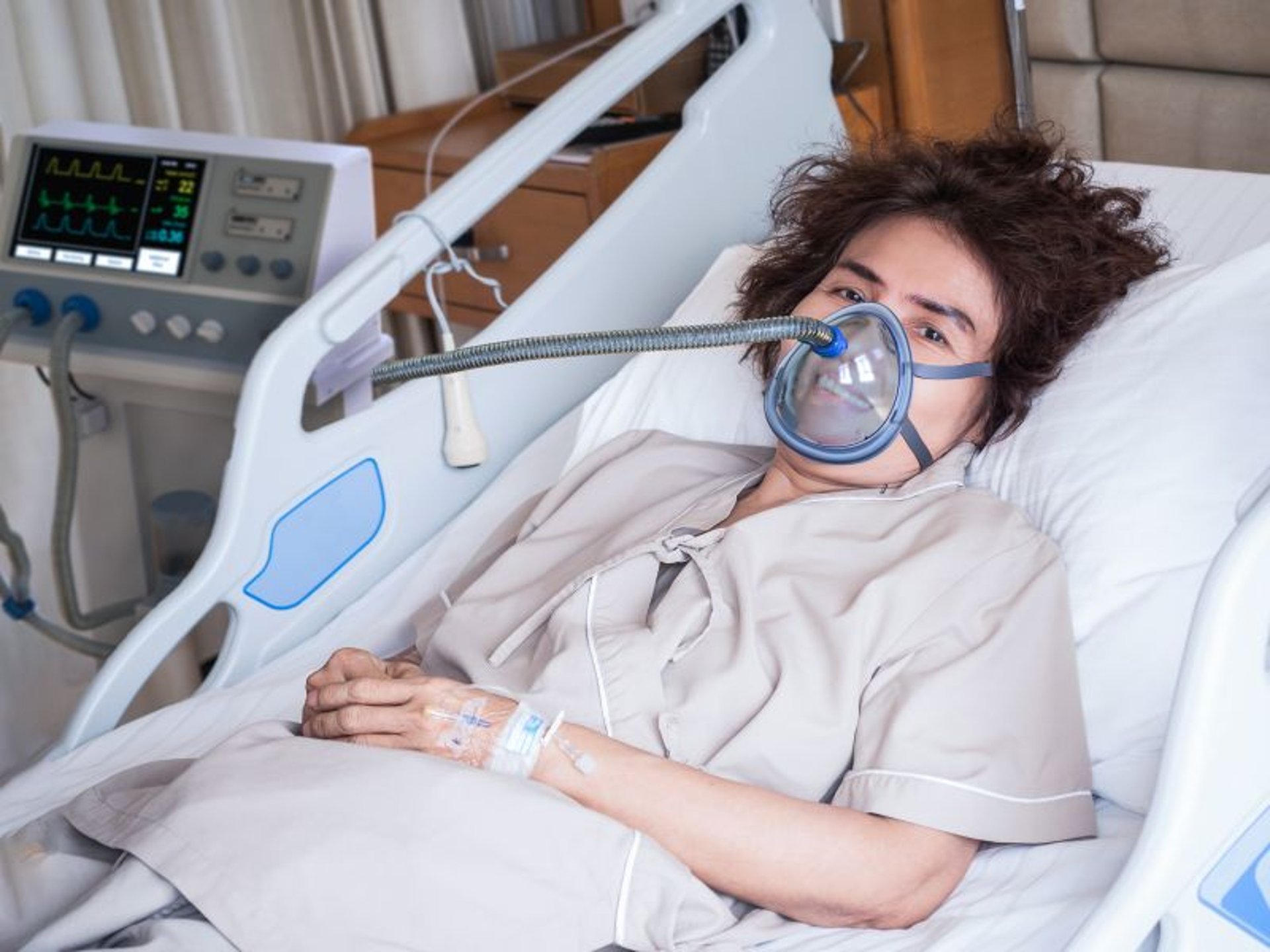
WEDNESDAY, Nov. 4, 2020 (HealthDay News) — For patients admitted to the hospital with COVID-19 pneumonia, high genomic load of severe acute respiratory syndrome coronavirus 2 (SARS-CoV-2) is associated with worse outcomes, according to research published online Oct. 29 in the Annals of the American Thoracic Society.
Ioannis M. Zacharioudakis, M.D., from the NYU School of Medicine in New York City, and colleagues examined the association between SARS-CoV-2 genomic load in nasopharyngeal samples and clinical outcomes among patients admitted to the hospital with COVID-19 pneumonia. The cycle threshold (Ct) value was used as a surrogate for viral load; Ct values were classified into genomic load based on tertiles: low, intermediate, and high.
The final analysis included 314 patients who presented to the emergency department. The researchers found that 34.1, 32.8, and 33.1 percent of patients were categorized into low, intermediate, and high SARS-CoV-2 genomic load categories. In a multivariate analysis, transplant history and duration of symptoms remained significantly associated with high genomic load (odds ratios, 5.36 and 0.93, respectively). Patients with high versus low genomic load had a significantly increased unadjusted risk for death and for reaching the composite outcome of death, intubation, or extracorporeal membrane oxygenation. Genomic load remained an independent risk factor for the composite outcome in the multivariable model (odds ratio, 1.59).
“Our study provides a justification for using patients’ SARS-CoV-2 load at the time of hospital admission to assess their risk of adverse outcomes,” Zacharioudakis said in a statement.
Abstract/Full Text (subscription or payment may be required)
 Relapse Rare After Appendiceal Adenocarcinoma Resection
  Distinct Skin Microbiome Features Emerge Before Atopic Disease Onset in Infants
  Adenotonsillectomy Tied to Increase in Respiratory Tract Infections in Children
  Physical Exams May Not Reliably Diagnose Pediatric Pneumonia
  2021 to 2025 Saw Reduction in Burnout Indicators Among Pediatricians
  Odds of Imaging Order Higher When Clinicians Self-Interpret
  Factors Identified in Disparities of Response to Patient Messages
  Number of Health Care Workers Has Increased 198.5 Percent Since 1990