High-risk individuals making modest changes in weight, physical activity had lower odds of progressing to type 2 diabetes
THURSDAY, Nov. 19, 2020 (HealthDay News) — A low-cost, group-delivered lifestyle intervention is associated with a significantly lower risk for progression to type 2 diabetes among high-risk individuals, according to a study published online Nov. 2 in JAMA Internal Medicine.
Michael Sampson, M.D., from the Norfolk and Norwich University Hospital NHS Trust in the United Kingdom, and colleagues assessed whether a group-based lifestyle intervention (with or without trained volunteers with type 2 diabetes) reduced the risk for progression to type 2 diabetes in people at increased diabetes risk. Participants were randomly assigned to a control arm receiving usual care (178 individuals), a theory-based lifestyle intervention arm of six core and up to 15 maintenance sessions (INT; 424 individuals), or the same intervention with support from diabetes prevention mentors who were trained volunteers with type 2 diabetes (INT-DPM; 426 participants).
The researchers found that a total of 156 participants progressed to type 2 diabetes: 22.8 percent receiving usual care, 13.7 percent receiving INT, and 15.0 percent receiving INT-DPM. For type 2 diabetes incidence, there was no significant difference seen between the intervention arms (odds ratio [OR], 1.14; 95 percent confidence interval [CI], 0.77 to 1.7; P = 0.51). However, each intervention arm was associated with significantly lower odds of type 2 diabetes (INT: OR, 0.54 [95 percent CI, 0.34 to 0.85; P = 0.01]; INT-DPM: OR, 0.61 [95 percent CI, 0.39 to 0.96; P = 0.033]; combined: OR, 0.57 [95 percent CI, 0.38 to 0.87; P = 0.01]). For all glycemic levels, ages, and social deprivation groups, the effect size was similar. Intervention costs per participant were low at $153.
“We have now shown a significant effect in type 2 diabetes prevention, and we can be very optimistic that even a modest weight loss, and an increase in physical activity, in real-world programs like this have a big effect on the risk of getting type 2 diabetes,” Sampson said in a statement.
One author disclosed receiving personal fees from WW UK.
Abstract/Full Text (subscription or payment may be required)
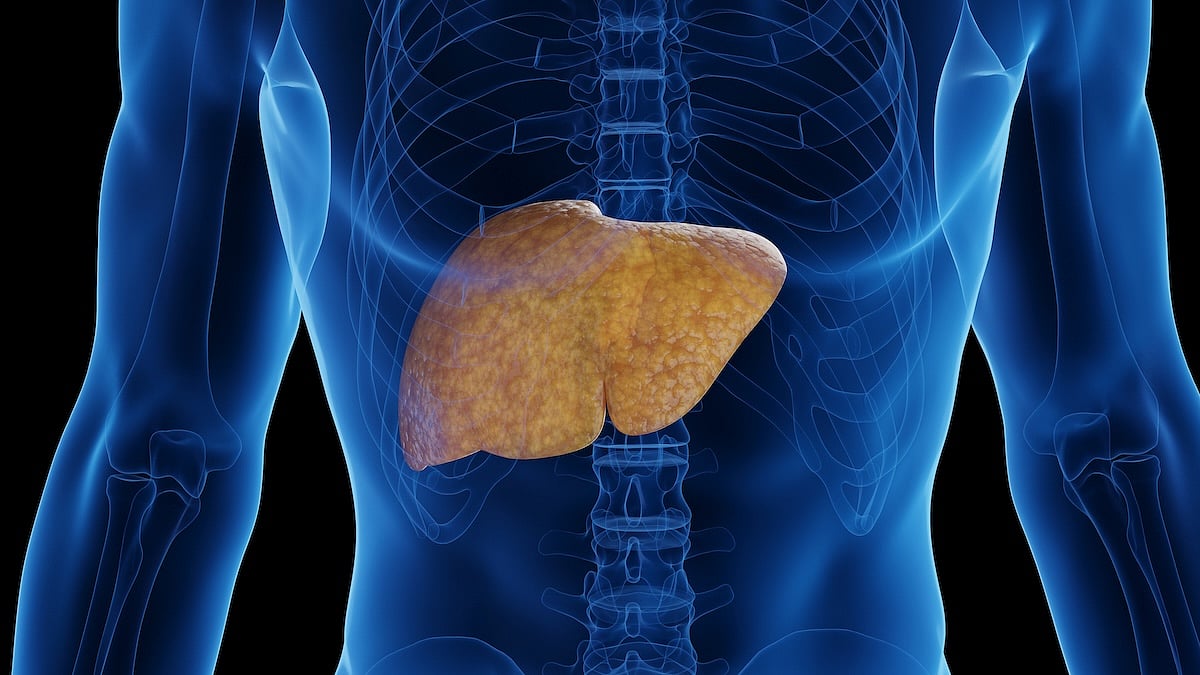 Genetics, Diabetes Tied to MASLD-Associated Cirrhosis Before Age 50
  Study IDs Risk Factors for Ketoacidosis in Adults With T2D Receiving SGLT2 Inhibitors
  Long-Term Medication Adherence Tied to Lower Cardiovascular Event Rate in Type 2 Diabetes
  Type 2 Diabetes Linked to Worse Menopausal Symptoms
  Longer Reproductive Lifespan Tied to Lower Bronchiectasis Risk in Postmenopausal Women
  Midlife Onset of Increasing Pulse Pressure Not Linked to Menopause
  Menopausal Hormone Therapy Use Linked to Lower Risk for Alzheimer Disease
.jpg)