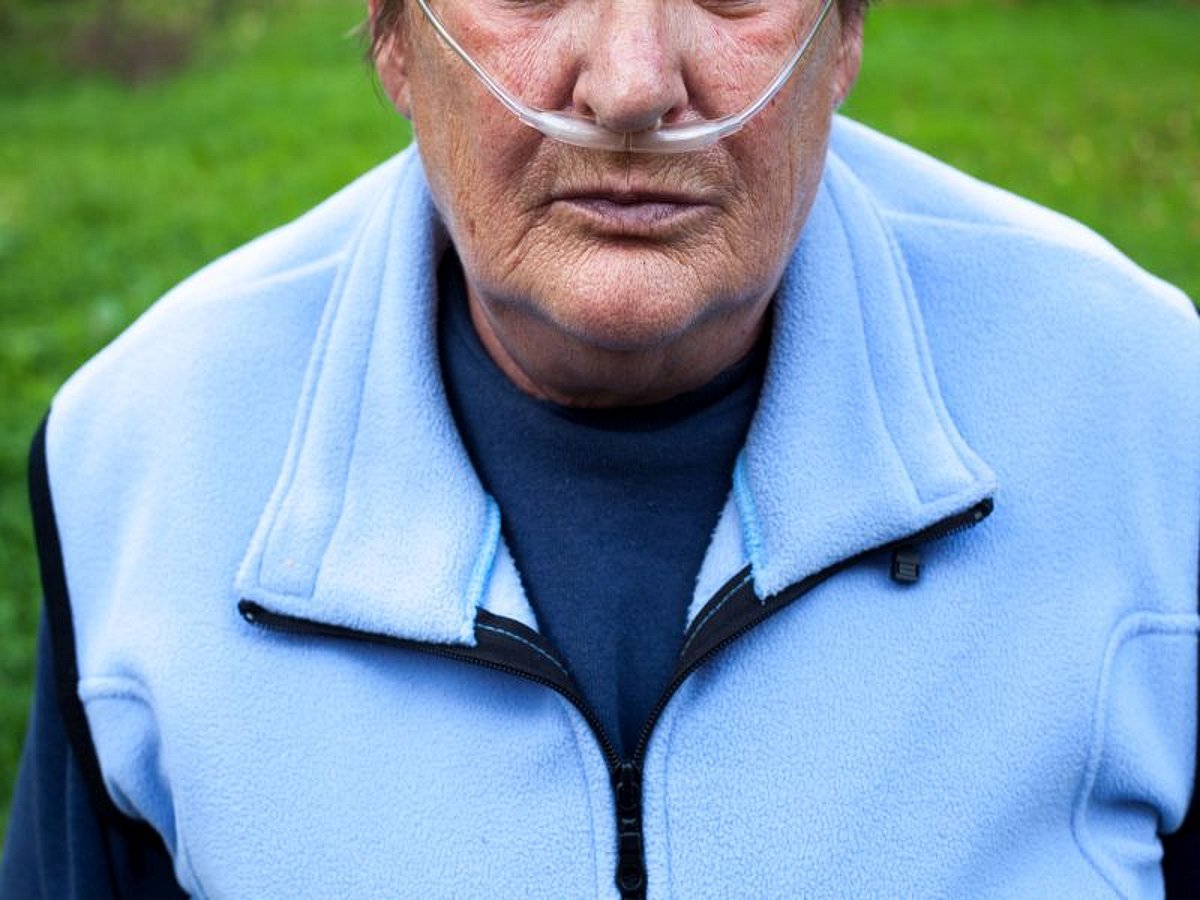
Long-term oxygen therapy strongly recommended for adults with COPD, ILD who have severe chronic resting hypoxemia
TUESDAY, Nov. 24, 2020 (HealthDay News) — In an official American Thoracic Society clinical practice guideline, published in the Nov. 15 issue of the American Journal of Respiratory and Critical Care Medicine, recommendations are presented for the use of home oxygen therapy for adults with chronic lung disease.
Susan S. Jacobs, R.N., from Stanford University in California, and colleagues created six research questions relating to delivery of home oxygen therapy to appropriate patients with chronic obstructive pulmonary disease (COPD) and interstitial lung disease (ILD).
The researchers found that the quality and availability of the evidence varied. For patients with COPD with severe chronic resting room air hypoxemia, long-term oxygen therapy (LTOT) is strongly recommended (moderate-quality evidence); LTOT is not suggested for adults with COPD with moderate chronic resting room air hypoxemia. Ambulatory oxygen is suggested for adults with COPD with severe exertional room air hypoxemia. For adults with ILD, LTOT is strongly recommended for those with severe chronic resting room air hypoxemia, while ambulatory oxygen is suggested for those with severe exertional room air hypoxemia (very low-quality and low-quality evidence, respectively). Portable liquid oxygen is suggested for patients with chronic lung disease who are mobile outside the house and require continuous oxygen flow rates >3 L/min during exertion. Patients prescribed home oxygen therapy and their caregivers should receive instruction and training on use and maintenance of oxygen equipment and oxygen safety.
“We urge the research community and funding agencies to work together to develop a stronger evidence base that will guide clinical practice for oxygen prescription,” the authors write.
Several authors disclosed financial ties to the pharmaceutical industry.
 Longer Reproductive Lifespan Tied to Lower Bronchiectasis Risk in Postmenopausal Women
  Use of SAMA, SABA Linked to Cardiovascular Events, Mortality in Asthma, COPD
  Adenotonsillectomy Tied to Increase in Respiratory Tract Infections in Children
  Fractional Exhaled Nitric Oxide Elevated in Pediatric Chest Tightness Variant Asthma
  Aerobic Training, Behavioral Interventions Both Clinically Improve Asthma Control
  Higher Diet Quality Linked to Improved Lung Function in Asthma, COPD
  Lung Disease More Common With Ulcerative Colitis Than Crohn Disease