Admission blood glucose is strong predictor of death among patients admitted directly to the ICU
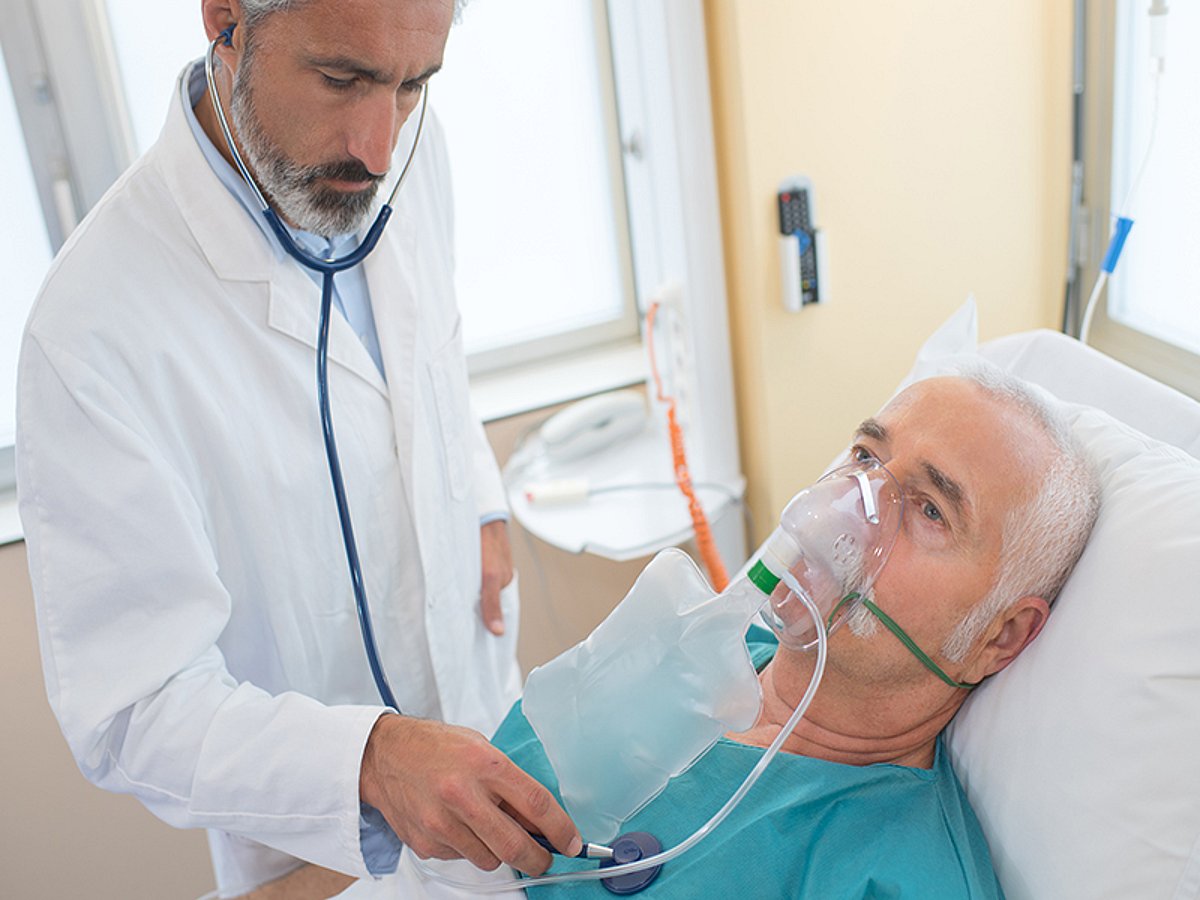
WEDNESDAY, Dec. 16, 2020 (HealthDay News) — For patients with COVID-19, hyperglycemia and hypoglycemia are associated with poor outcomes, according to a study published online Dec. 15 in Diabetes Care.
David C. Klonoff, M.D., from the Mills-Peninsula Medical Center in San Mateo, California, and colleagues analyzed pooled data from the Glytec national database for 1,544 patients with COVID-19 from 91 hospitals in 12 states. Patients were stratified according to achieved mean glucose category during days 2 to 3 in non-intensive care unit (ICU) patients or on day 2 in ICU patients. The authors examined the association between glucose category and hospital mortality.
The researchers found that 18.1 percent of patients died in the hospital. Among non-ICU patients, compared with blood glucose <7.77 mmol/L, severe hyperglycemia (>13.88 mmol/L) on days 2 to 3 was independently associated with high mortality (adjusted hazard ratio, 7.17). This association was not significant for admission glucose. In patients admitted directly to the ICU, increased mortality was seen in association with severe hyperglycemia on admission (adjusted hazard ratio, 3.14). This association was not significant on day 2. There was also an association seen for hypoglycemia and increased mortality (odds ratio, 2.2).
“We found that severe hyperglycemia early in the course of hospitalization in patients with COVID-19 admitted to a non-ICU setting was associated with a sevenfold increase in mortality risk,” the authors write. “Our results suggest patients with COVID-19 should promptly receive treatment to improve glycemic control.”
Several authors disclosed financial ties to Glytec.
Abstract/Full Text (subscription or payment may be required)
 Very Low-Carb Diet Shows Greater Cardiometabolic Benefits Than Other Diets
 .jpg) Time-Restricted Eating May Help Patients With Type 1 Diabetes
Time-Restricted Eating May Help Patients With Type 1 Diabetes  Vascular Burden in Midlife Linked to Increased Risk for Dementia, Death
  Food-Based Support Aids Type 2 Diabetes Outcomes
  GLP-1 Receptor Agonists Tied to Increased Risk for Alopecia
  Hypoglossal Nerve Stimulation May Offer Long-Term Cardiovascular Benefits in OSA
  Burden of Myocardial Dysfunction Elevated for Individuals With Psoriasis
  2017 to 2022 Saw More Than Doubling in Use of GLP-1 Receptor Agonists