Up to 40 percent of vaccine courses from manufacturers might remain for low- and middle-income countries by end of 2021
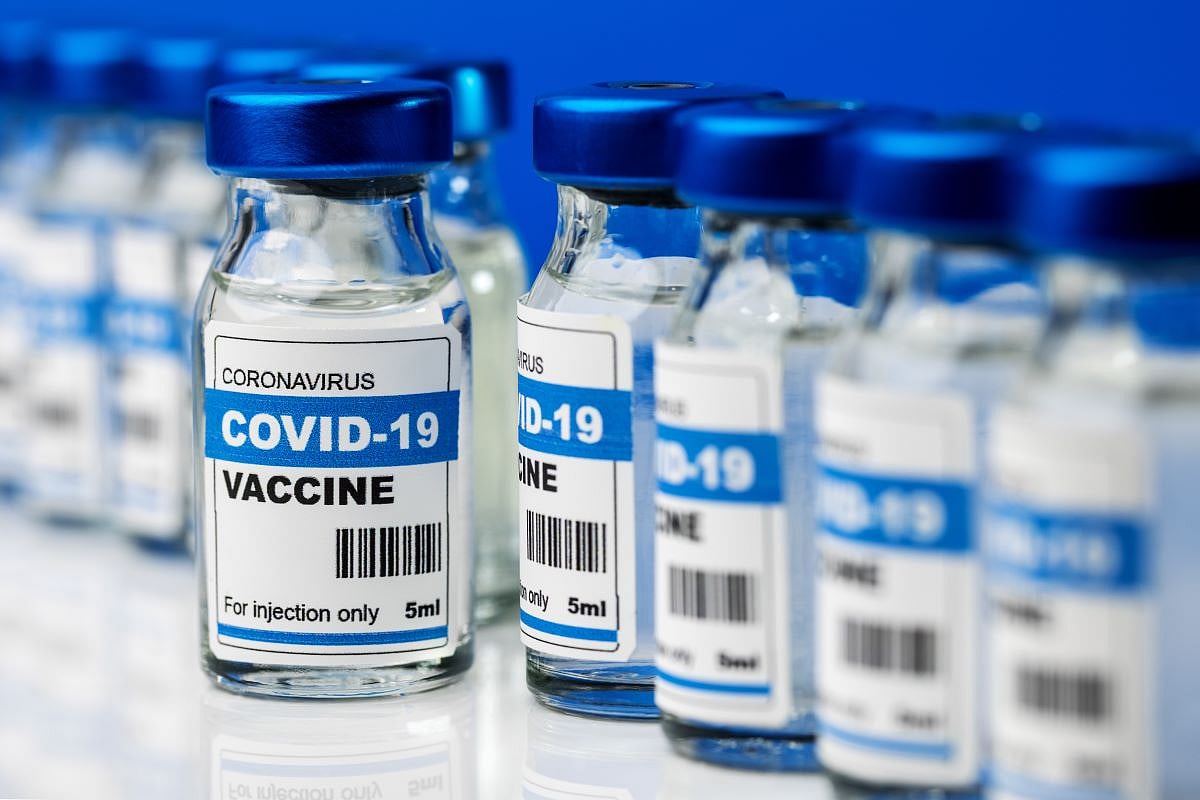
THURSDAY, Dec. 17, 2020 (HealthDay News) — High-income countries have secured supplies of COVID-19 vaccines, but access is uncertain for other countries, according to a study published online Dec. 15 in The BMJ.
Anthony D. So, M.D., and Joshua Woo, from the Johns Hopkins Bloomberg School of Public Health in Baltimore, conducted a cross-sectional analysis to analyze the premarket purchase commitments for COVID-19 vaccines from leading manufacturers to recipient countries.
The researchers found that several countries had made premarket purchase commitments totaling 7.48 billion doses, or 3.76 billion courses, of COVID-19 vaccines from 13 manufacturers as of Nov. 15, 2020. Fifty-one percent of these doses will go to high-income countries, representing 14 percent of the world’s population. The United States accounts for one-fifth of all COVID-19 cases globally (11.02 million cases) but has reserved 800 million doses, while Japan, Australia, and Canada do not account for even 1 percent of current global cases (0.45 million cases) but have reserved more than 1 billion doses. If the vaccine candidates are successfully scaled, 5.96 billion courses will be manufactured by the end of 2021; up to 40 percent of these vaccine courses might potentially remain for low- and middle-income countries. Vaccine prices vary from $6.00 to $74.00 per course.
“High-income countries have sought to secure future supplies of COVID-19 vaccines, but have left much of the rest of the world with uncertain access,” the authors write. “Ensuring an effective response to this pandemic will require more — the commitment of high-income countries to share in an equitable distribution of COVID-19 vaccines across the world.”
 ~16 Percent of COVID Cases Develop Postacute Sequelae of SARS-CoV-2
  Parts of the World Seeing New COVID-19 Variant
  HHS, NIH Unveil Vaccine Initiative to Protect Against Future Pandemics
  Hospital-Onset SARS-CoV-2 Infection During Omicron Linked to Morbidity
  Staffing, Scheduling, and Wage Changes Could Reattract Nurses Back to Hospitals
  Skilled Nursing Facility Capacity Declined Between 2019 and 2024
  Physical Design of Critical Care Units Influences Nursing Culture
  Low Capability Pediatric Hospitals More Than Doubled From 2003 to 2022