
Authors say these findings suggest no need for intensive surveillance after three years
FRIDAY, Dec. 18, 2020 (HealthDay News) — After sustaining a clinical complete response for one year with a watch-and-wait strategy following a complete response to rectal cancer treatment, risks for local regrowth and distant metastases during the subsequent two years are low, according to a study published online Dec. 11 in The Lancet Oncology.
Laura M. Fernandez, M.D., from the Champalimaud Foundation in Lisbon, Portugal, and colleagues conducted conditional survival modeling using the International Watch & Wait Database (47 clinics across 15 countries). The analysis included 793 adults with rectal cancer who had a clinical complete response after neoadjuvant chemotherapy and who were subsequently managed by a watch-and-wait strategy between Nov. 25, 1991, and Dec. 31, 2015.
The researchers found that during a median follow-up of 55.2 months, the probability of remaining free from local regrowth for an additional two years was 88.1, 97.3, and 98.6 percent if a patient sustained a clinical complete response for one, three, and five years, respectively. Among patients who had a clinical complete response without distant metastases for one year, the probability of remaining free from distant metastases for a further two years was 93.8 percent; this probability increased to 97.8 and 96.6 percent for patients with a clinical complete response without distant metastases for three and five years, respectively.
“These results suggest that the intensity of active surveillance in patients with rectal cancer managed by a watch-and-wait approach could be reduced if they achieve and maintain a clinical complete response within the first three years of starting this approach,” the authors write.
Two authors disclosed financial ties to the pharmaceutical industry.
Abstract/Full Text (subscription or payment may be required)
 Surveillance Colonoscopy at Five Years After Adenoma Removal Noninferior to Three Years
  Family History of CRC Increases CRC Risk Similarly in IBD, General Population
  Lower Breast, Cervical Cancer Screening Seen for Adults With Disabilities
 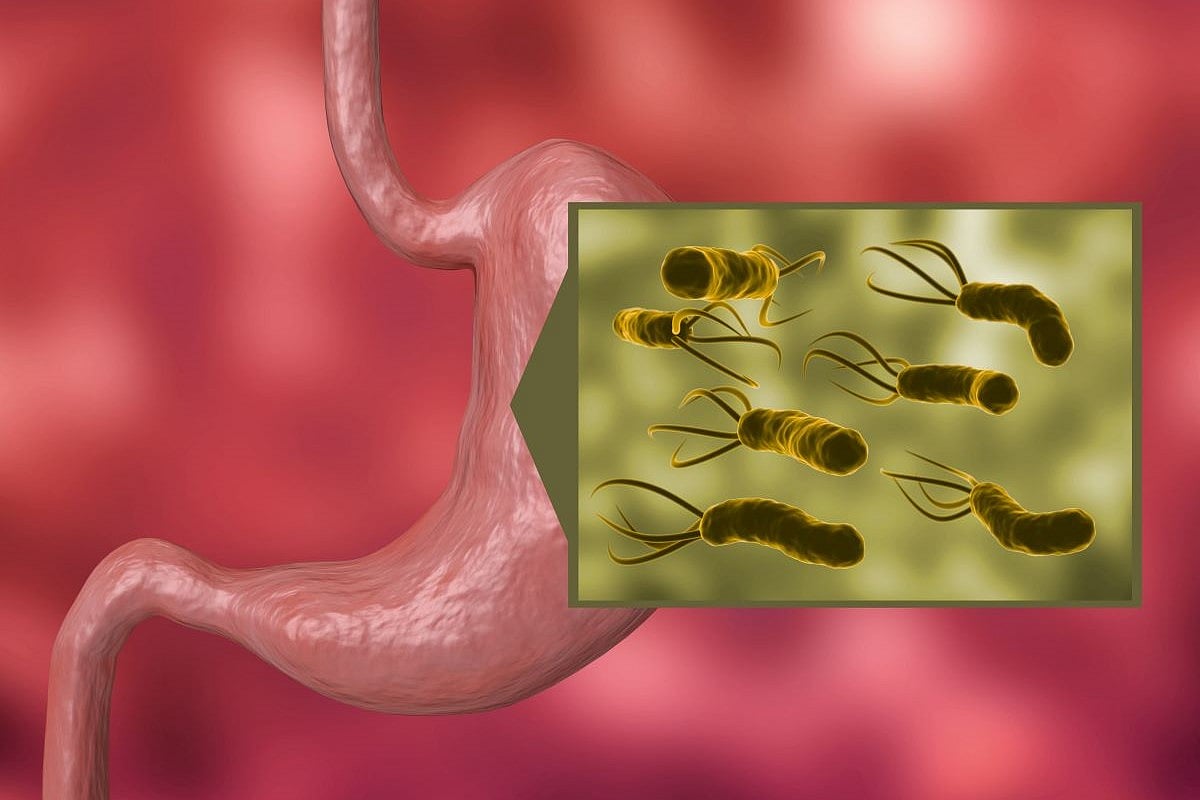 H. Pylori Exposure May Contribute to Global Burden of Colorectal Cancer
  Distinct Skin Microbiome Features Emerge Before Atopic Disease Onset in Infants
  Freshwater Swimming Tied to Stomach Bugs, Skin Conditions
  Couples" Coping Skills Help Reduce Depression in GI Cancer Survivors
  Organized, Biennial FIT-Based Screening Linked to Lower Colorectal Cancer Mortality