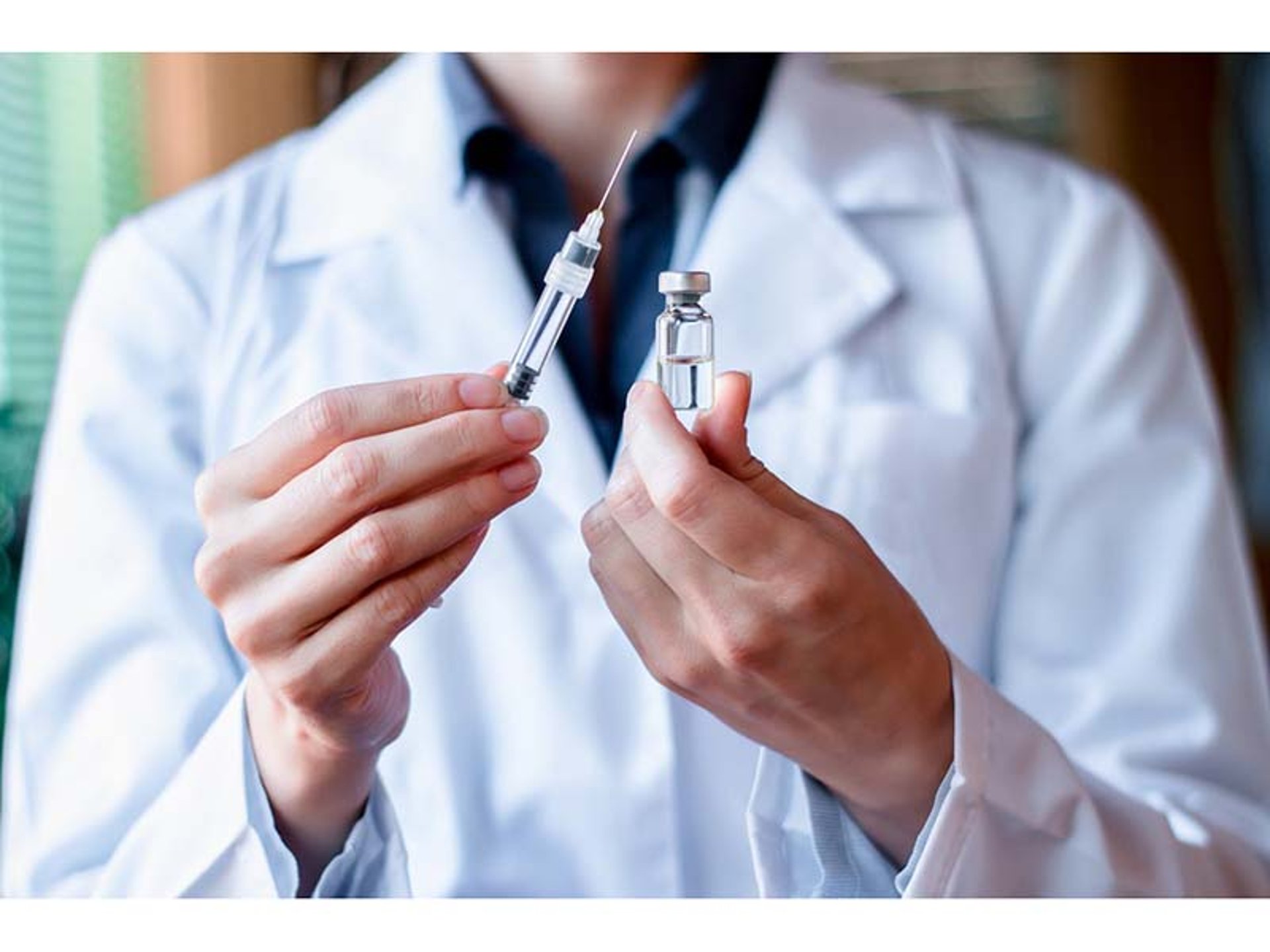
Neutralizing antibody titer is higher after one dose of mRNA vaccine than after two vaccine doses in previously uninfected persons
FRIDAY, April 16, 2021 (HealthDay News) — For persons with a history of previous infection with severe acute respiratory syndrome coronavirus 2 (SARS-CoV-2), the neutralizing antibody titer is higher after one dose of mRNA vaccine than after two vaccine doses among previously uninfected persons, according to a research letter published online April 14 in the New England Journal of Medicine.
Gabriele Anichini, from the University of Siena in Italy, and colleagues conducted an observational cohort study involving 100 health care workers, including 38 who had a documented history of SAR-CoV-2 infection and 62 who had not been previously infected. Both groups received the mRNA vaccine BNT162b2. Serum samples were obtained 10 days after administration of the first dose in previously infected participants and 10 days after the second dose in previously uninfected participants.
The researchers observed no significant difference in circulating anti-spike immunoglobulin G antibody titers between the samples from previously infected and uninfected participants (mean level: 20,120 and 22,639 arbitrary units/mL, respectively). Samples from previously infected participants had significantly higher levels of neutralizing antibodies than those from previously uninfected participants (geometric mean titer: 569 versus 118).
“These findings provide evidence that after the administration of a single dose of vaccine, the humoral response against SARS-CoV-2 in persons with a history of SARS-CoV-2 infection is greater than the response in previously uninfected participants who have received a second dose,” the authors write.
 Nearly 3 in 4 Older Adults Express Interest in Vaccine to Prevent Dementia
  Updated COVID-19 Shot Beneficial for Those With Autoimmune Rheumatic Disease
  AAP Issues Recommendations for Pediatric RSV Vaccination in 2026-2027 Season
  Trends Reported in Vaccination Coverage for Adolescents for 2025
  Nutritional Deficiencies Seen in Youth Taking GLP-1 Receptor Agonists
  Youth Suicide Risk Linked to Community Firearm Violence
  Social Media Warnings Could Discourage Use Among Teens, Young Adults
  Digital Behavioral Health Game Reduces Depressive Symptoms in Teens