Decrease in nonspecific chest pain emergency department visits and visits leading to hospitalization with employer-mandated HDHP switch
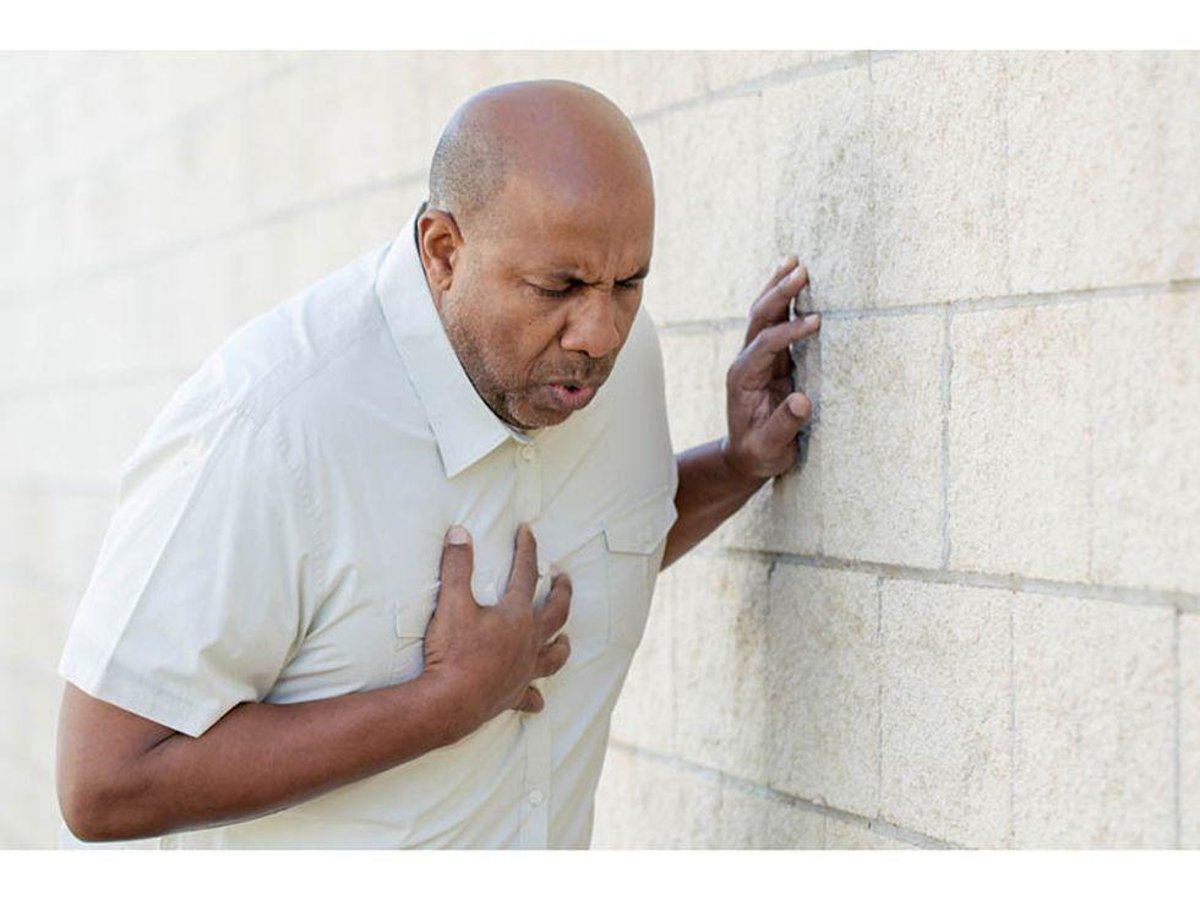
MONDAY, June 28, 2021 (HealthDay News) — Switching to an employer-mandated high-deductible health plan (HDHP) leads to a decrease in nonspecific chest pain emergency department visits and visits leading to hospitalization, according to a study published online June 28 in Circulation.
Shih-Chuan Chou, M.D., M.P.H., from Brigham and Women’s Hospital in Boston, and colleagues used a commercial and Medicare Advantage claims database to identify members aged 19 to 63 years whose employers exclusively offered low-deductible plans in one year, then mandated enrollment in HDHPs for the next year. These were matched with members whose employers only offered low-deductible plans. Analyses included 557,501 members in the HDHP group and 5,861,990 in the control group.
The researchers observed a relative decrease of 4.3 percent in nonspecific chest pain emergency department visits and an 11.3 percent decrease in visits leading to hospitalization in association with employer-mandated HDHP switches. No significant decrease was seen in subsequent noninvasive testing or revascularization procedures. A non-statistically significant increase was seen in 30-day acute myocardial infarction admissions, while the increase was significant among members from higher-poverty neighborhoods.
“People with higher deductibles delay treatment and are sicker when they show up in the emergency room for chest pain,” Chou said in a statement. “When people with low incomes are switched to high-deductible plans, they are disproportionately impacted financially and so is their health.”
Abstract/Full Text (subscription or payment may be required)
 Multicomponent Interventions Offer Little Impact on Fall Risk
  Dense Breast Notification Linked to Increase in Use of Supplemental Ultrasound
  ED Visits for Gambling Disorder Spike After Canada Liberalizes Online Gambling
  Nearly 2 in 3 Poison Exposures in Young Children May Not Need the ED
  About 1 in 20 Hospitalized U.S. Adults With Firearm Injuries Develop Bacterial Infections
  Unintentional Ingestion of Recreational Drugs Increased, Especially Since 2013
  Emergency Diagnosis Linked to Worse Outcomes for Range of Conditions