


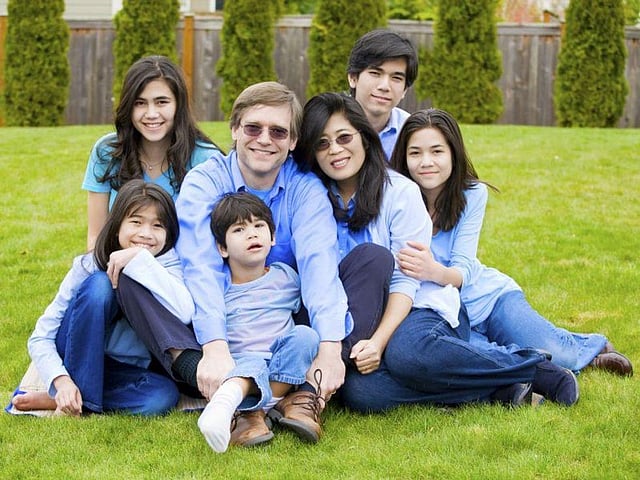
Higher familial risks for early-onset cancer seen in Latinos, Blacks for solid tumors and in Asian/Pacific Islanders for hematologic cancers
FRIDAY, July 2, 2021 (HealthDay News) — Inherited risk of early-onset cancer is significantly higher among Latino and Black families for solid tumors and Asian/Pacific Islander families for blood-based cancers when compared to White families, according to a study published online June 22 in eLife.
Qianxi Feng, from the University of Southern California in Los Angeles, and colleagues used linked California health registries (1989 to 2015) to evaluate the relative cancer risks for 62,863 healthy, first-degree relatives of 29,631 patients diagnosed between ages 0 and 26, as well as the relative risks of developing distinct second primary malignancies (SPMs).
The researchers found that given probands with cancer, there were increased relative risks of any cancer for siblings and mothers (standardized incidence ratio [SIR], 3.32) and of SPMs (SIR, 7.27). Having a proband with solid cancer significantly increased the risk of any cancer in siblings and mothers for both Latino (SIR, 4.98) and non-Latino Black individuals (SIR, 7.35) compared to non-Latino White individuals (SIR, 3.02). Higher familial risk for hematologic cancers was seen for Asian/Pacific Islanders (SIR, 7.56) compared to non-Latino Whites (SIR, 2.69).
“The data support a need for increased attention to the genetics of early-onset cancer predisposition and environmental factors in race/ethnic minority families in the United States,” the authors write.
.jpg) Most Specialty Oral Anticancer Meds for Blood Cancers Are Initially Rejected by Insurers
Most Specialty Oral Anticancer Meds for Blood Cancers Are Initially Rejected by Insurers  Personalized Support Boosts Families" Genetic Testing for Hereditary Cancers
  Pre-Prostate Biopsy MRI Use Increased From 2017 to 2026
 .jpg) Cancer Survivors Have Lower Levels of Physical Activity
Cancer Survivors Have Lower Levels of Physical Activity  Exercise Intervention Linked to Improved Attention, Memory in Breast Cancer
  Childhood Cancer Survivors Often Have Mental Distress in Adulthood
  Pharmacist-Led Med Review Improves Medication Quality in Older Patients With Cancer
  Mindfulness, Tai Chi May Benefit Cancer Survivors




