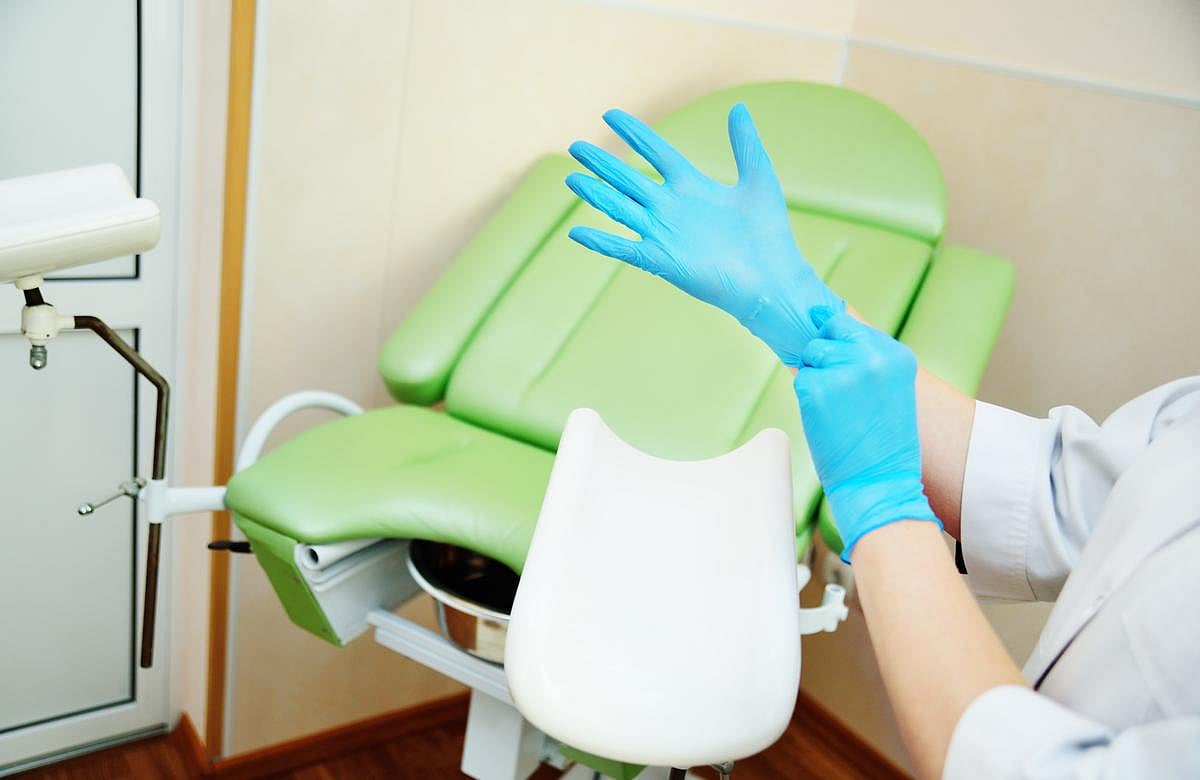
Findings compared to other occupational categories, but across occupations, women had high levels of stress, with age acting as a protective factor
WEDNESDAY, Oct. 6, 2021 (HealthDay News) — Health care workers experienced higher levels of stress than other occupations in the first wave of the COVID-19 pandemic, according to a study published online Oct. 6 in PLOS ONE.
Sebastien Couarraze, Ph.D., from the University Hospital of Toulouse in France, and colleagues surveyed 13,537 individuals from 44 countries with the COVISTRESS questionnaire from January to June 2020, including 10,051 workers (1,379 health care workers, 631 medical doctors, and 748 paramedical staff).
The researchers found that the stress levels during the first wave of the pandemic were 57.8 in the whole cohort, 65.3 in medical doctors, and 73.6 in paramedical staff. The highest levels of stress were seen in health care professionals, especially paramedical staff. Women had systematically significantly higher levels of work-related stress than men, regardless of occupational category. Age and stress level were negatively correlated (r = −0.098). Similar trends were seen for very high levels of stress.
“The health crisis caused by COVID-19 is unprecedented in the history of health. The effects on workers and in particular on their stress levels must be explored in order to put in place appropriate preventive measures,” the authors said in a statement. “The results of our study show that workers have been particularly affected and that health care professionals have been the most affected. Among health professionals, nurses in particular had very high levels of stress.”
 Considerable Global Disparities Found in Access to Dermatological Care
  Factors Identified in Disparities of Response to Patient Messages
  Physical Exams May Not Reliably Diagnose Pediatric Pneumonia
  Small Change in Hours Benefits Emergency Physicians Working Night Shifts
  Emergency Diagnosis Linked to Worse Outcomes for Range of Conditions
  ED Boarding Time Varies Considerably Across Hospitals
 .jpg) Warning Symptoms, Clinical History Can Predict Sudden Cardiac Arrest
Warning Symptoms, Clinical History Can Predict Sudden Cardiac Arrest  Protocol IDs Patients Who Can Be Treated While Seated in the ED