


Additional symptoms can be used to update QCancer, a risk prediction model that helps physicians identify patients at high risk for cancer
THURSDAY, Nov. 18, 2021 (HealthDay News) — New symptoms associated with pancreatic cancer include feeling thirsty and having dark urine, according to a study presented at the National Cancer Research Institute Festival.
Weiqi Liao, Ph.D., from University of Oxford in the United Kingdom, and colleagues used data from the QResearch database to identify patients aged 25 years or older who were diagnosed with pancreatic ductal adenocarcinoma (PDAC; 23,640 patients) or neuroendocrine neoplasms (PNEN; 596 patients) from 2000 to 2017.
The researchers identified 23 symptoms that were significantly associated with PDAC and nine symptoms with PNEN, although there were some overlapping symptom profiles. For both tumors, jaundice and gastrointestinal bleeding were the two alarming symptoms. Two new symptoms identified for PDAC included thirst and dark urine. With PNEN, unintentional weight loss may be seen for more than two years before diagnosis.
“These new findings enable us to conduct further work on understanding symptoms that could suggest pancreatic cancer. This will help general practitioners to make decisions about who to refer for urgent tests, especially when patients have several seemingly nonspecific symptoms,” Liao said in a statement. “When pancreatic cancer is diagnosed earlier, patients have a higher chance of survival. It is possible to diagnose patients when they visit their general practitioner, but both patients and general practitioners need to be aware of the symptoms associated with pancreatic cancer.”
.jpg) Composite Biomarker Helps ID Early-Stage Pancreatic Ductal Adenocarcinoma
Composite Biomarker Helps ID Early-Stage Pancreatic Ductal Adenocarcinoma 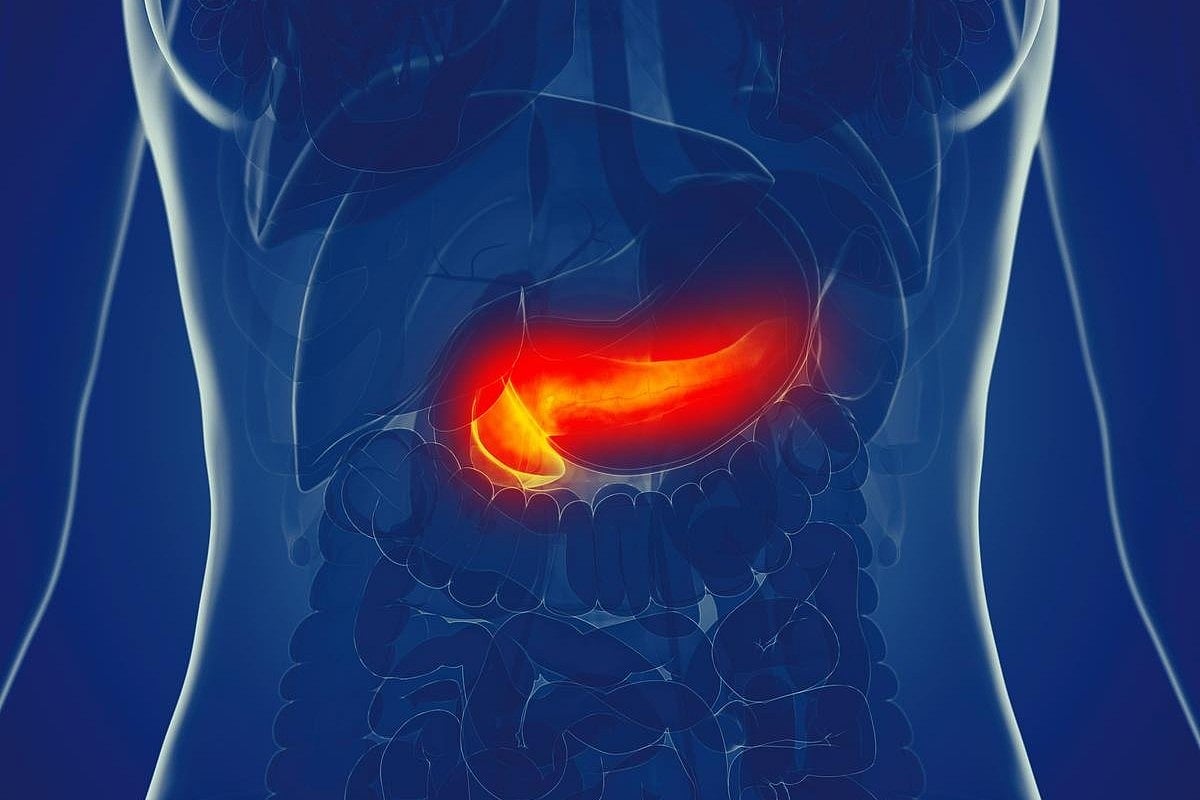 Recommendations Updated for Radiation Therapy in Pancreatic Cancer
  KRAS ctDNA Linked to Worse Overall Survival in Localized Pancreatic Cancer
  Main Pancreatic Duct Dilation Increases Odds for Neoplastic Progression in High-Risk Individuals
  Urine Cell-Free RNA Shows Promise as Biomarker for Bladder Cancer
  Patient Education Increases Skin Cancer Screening in Stem Cell Transplant Survivors
  Genomic Newborn Screening Could ID Cancer Predisposition Syndrome
  Eosinophilic Esophagitis Prevalence May Be Higher Than Thought in Pediatric Patients With Asthma




.jpg)