Individuals with inflammatory bowel disease have lower food-related quality of life
MONDAY, Dec. 27, 2021 (HealthDay News) — Compared with individuals without inflammatory bowel disease (IBD), those with active IBD have lower intakes of fiber; fermentable oligosaccharides, disaccharides, monosaccharides, and polyols (FODMOP); and micronutrients, according to a study published in the December issue of the Journal of Crohn’s and Colitis.
Selina R. Cox, Ph.D., from King’s College London, and colleagues estimated nutrient, fiber, and FODMOP intakes using seven-day food records in patients with active IBD (Active IBD), patients with inactive IBD with noninflammatory gut symptoms (Inactive IBD-GI), patients with inactive IBD without gut symptoms (Inactive IBD), and healthy controls. Across study groups, nutrient intake, number of participants achieving national recommendations, and food-related quality of life (FR-QoL) were compared using food diaries obtained from 65 patients with Active IBD, 86 with Inactive IBD-GI, 81 with Inactive IBD, and 84 healthy controls.
The researchers found that compared with controls, patients with Active IBD had significantly lower intakes of numerous micronutrients, including iron, folate, and vitamin C. Compared with controls, all IBD groups consumed less total fiber (4.5 to 5.8 g/day); in Active IBD, total FODMOP and fructan intakes were lower than corresponding intakes for controls. All IBD groups had significantly lower FR-QoL than controls.
“This is the first comparison of nutrient intakes in patients with IBD experiencing inflammatory [Active IBD] or noninflammatory [Inactive IBD-GI] gut symptoms compared with healthy controls, and the findings indicate that gut symptoms of either etiology have the potential to impair nutrient intakes,” the authors write.
One author disclosed financial ties to the nutrition industry and is a co-inventor of a mobile application to assist patients following the low FODMOP diet.
 IBD Not Linked to Risk for Hypertensive Disorders of Pregnancy Overall
 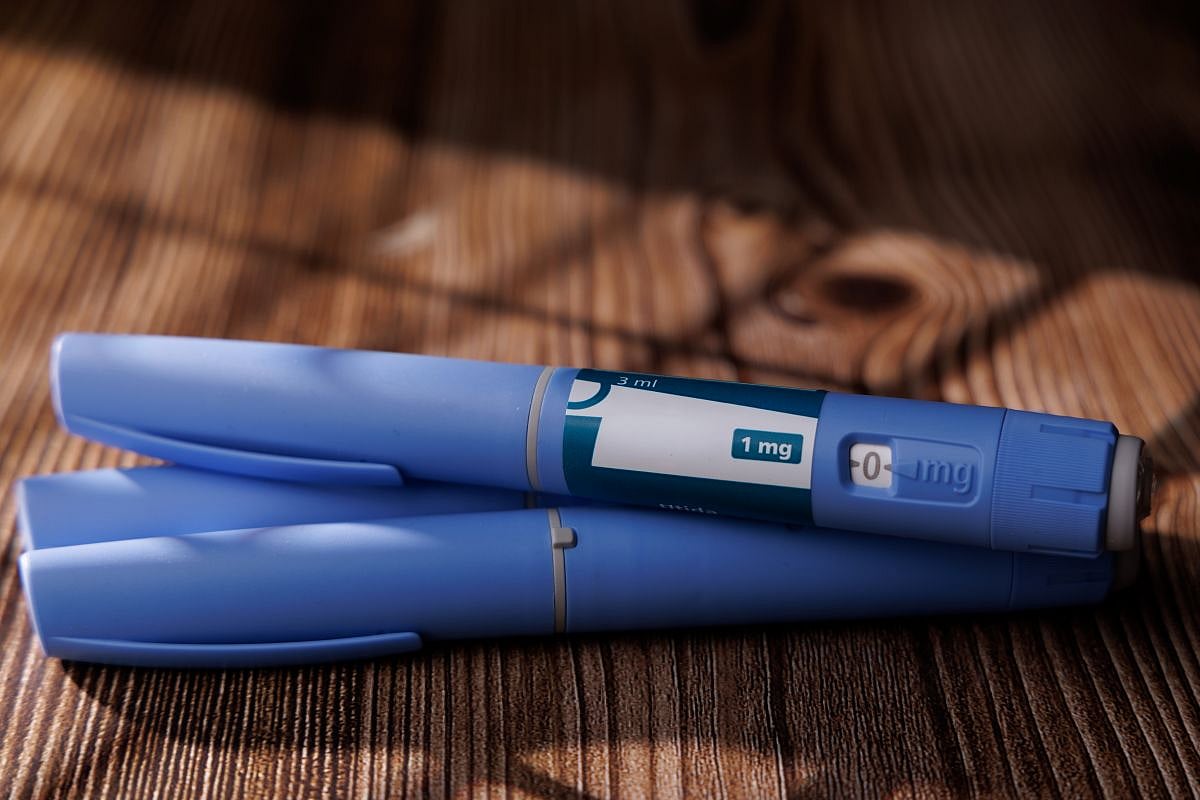 Nutritional Deficiencies Seen in Youth Taking GLP-1 Receptor Agonists
  Family History of CRC Increases CRC Risk Similarly in IBD, General Population
  2009 to 2023 Saw Surge in Probiotic Supplement Use
  High-Dose Omega-3 Linked to A-Fib Risk in Patients With High CVD Risk
  Docosahexaenoic Acid Supplement Does Not Improve Cognitive Performance
  Sugar-Sweetened Beverage, Fruit Juice Intake Linked to Hypertension Risk
  Whole Goat Milk Formula Can Reduce Incidence of Atopic Dermatitis in Infants