



Caffeinated coffee tied to even lower risk than decaffeinated, with no differences seen by brewing method
FRIDAY, Jan. 28, 2022 (HealthDay News) — Increased coffee intake is associated with a lower risk for endometrial cancer (EC), according to a meta-analysis published online Jan. 19 in the Journal of Obstetrics and Gynaecology Research.
Yu Gao, from the Liangxiang Hospital of Beijing, and colleagues conducted a literature review to identify studies evaluating the relationship between coffee drinking and the risk for EC.
Based on 24 included studies (699,234 participants), the researchers found that the pooled relative risk (RR) for endometrial cancer for the highest versus the lowest categories of coffee intake was 0.71. The pooled RRs varied geographically (Europe: RR, 0.74; United States/Canada: RR, 0.71; Japan: RR, 0.40). The inverse association was stronger in caffeinated coffee drinkers (RR, 0.66), individuals with higher body mass index (RR, 0.65), never smokers (RR, 0.68), ever smokers (RR, 0.56), and those who never used hormone replacement therapy (RR, 0.88). There were no significant differences observed based on consumption of filtered or boiled coffee.
“The results may suggest an actual protective link between coffee consumption and anti-endometrial cancer effects,” the authors write. “Further studies with large sample sizes are needed to determine subgroups and to obtain more information regarding the benefits of coffee drinking in relation to the risk of endometrial cancer.”
 AHA: Consuming Up to 400 mg/Day of Caffeine Safe for Most Adults
 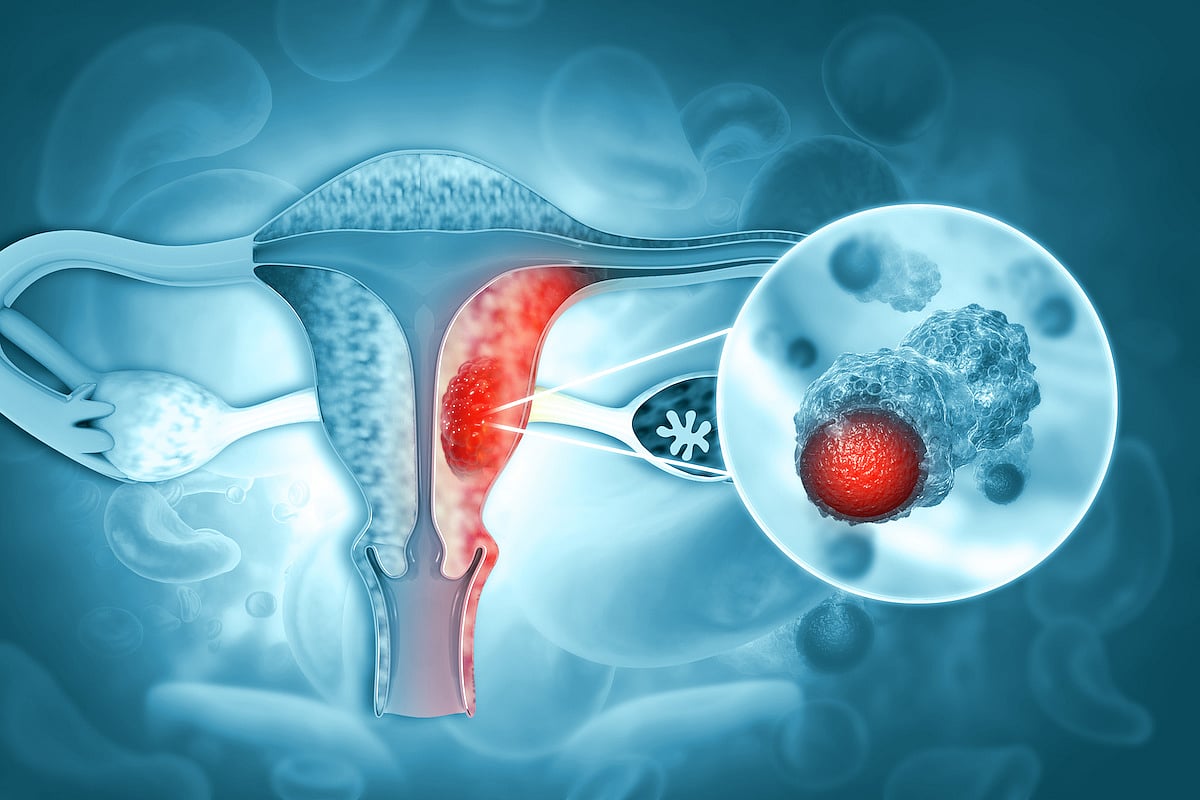 Catheter-Based OCT May Help ID Early Endometrial Cancer
  Greater Intake of Caffeinated Coffee, Tea May Reduce Dementia Risk
  Incidence Rates Increased From 2003 to 2017 for Six Cancer Types in 42 Countries
 .jpg) Most Specialty Oral Anticancer Meds for Blood Cancers Are Initially Rejected by Insurers
Most Specialty Oral Anticancer Meds for Blood Cancers Are Initially Rejected by Insurers  Gap Found Between Awareness of Breast Cancer Risk and Risk-Reducing Behavior
  Personalized Support Boosts Families" Genetic Testing for Hereditary Cancers
  Urine Cell-Free RNA Shows Promise as Biomarker for Bladder Cancer



