


Cancer risks perceived to be lower by clinicians with nonacademic hospital affiliation
WEDNESDAY, Feb. 16, 2022 (HealthDay News) — Perceptions of cancer risk for colitis-associated dysplasia vary widely among clinicians, according to a study published in the January issue of the Journal of Crohn’s and Colitis.
Misha Kabir, M.B.B.S., from Imperial College London, and colleagues distributed a 15-item international online survey to 294 clinicians (gastroenterologists [93.5 percent] and colorectal surgeons) from 60 countries to examine understanding of cancer risk associated with dysplasia and management practices.
The researchers found that 23 percent of the respondents did not have access to high-definition chromoendoscopy. Compared with nonacademic workplaces, university hospitals were more likely to provide second expert histopathologist review (67 versus 46 percent) and formal multidisciplinary team meeting discussion (73 versus 52 percent) of dysplasia cases. There was variation from 0 to 100 percent observed in perceptions of five-year cancer risk associated with endoscopically unresectable low-grade dysplasia. Lower perceived cancer risks were predicted by nonacademic hospital affiliation. Overall, 98.4 and 34.4 percent of respondents advised a colectomy for endoscopically unresectable visible high-grade dysplasia and unresectable visible low-grade dysplasia, respectively. Colectomy was more likely to be considered for multifocal low-grade dysplasia by respondents from university hospitals (odds ratio, 2.17). Continued surveillance was the preferred management over colectomy for clinicians working mainly in private clinics if invisible unifocal low-grade dysplasia was detected (odds ratio, 9.4) and was the least preferred management for those who had performed more than 50 surveillance colonoscopies (odds ratio, 0.41).
“This study highlights the need for further education and uptake of guideline recommendations,” the authors write.
One author disclosed financial ties to the pharmaceutical industry.
 Serum 25(OH)D May Serve as Biomarker of Disease Activity in IBD
 Surveillance Colonoscopy at Five Years After Adenoma Removal Noninferior to Three Years
 Family History of CRC Increases CRC Risk Similarly in IBD, General Population
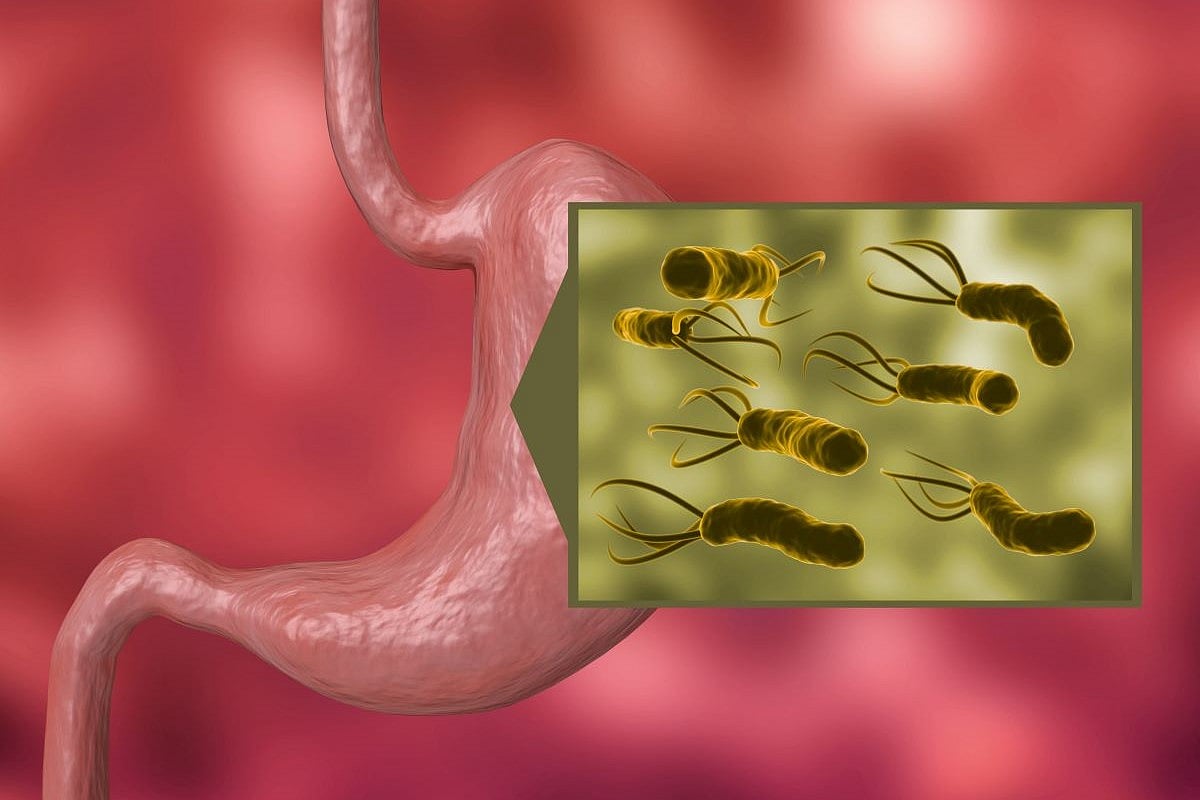 H. Pylori Exposure May Contribute to Global Burden of Colorectal Cancer
 Distinct Skin Microbiome Features Emerge Before Atopic Disease Onset in Infants
 Freshwater Swimming Tied to Stomach Bugs, Skin Conditions
 Couples" Coping Skills Help Reduce Depression in GI Cancer Survivors
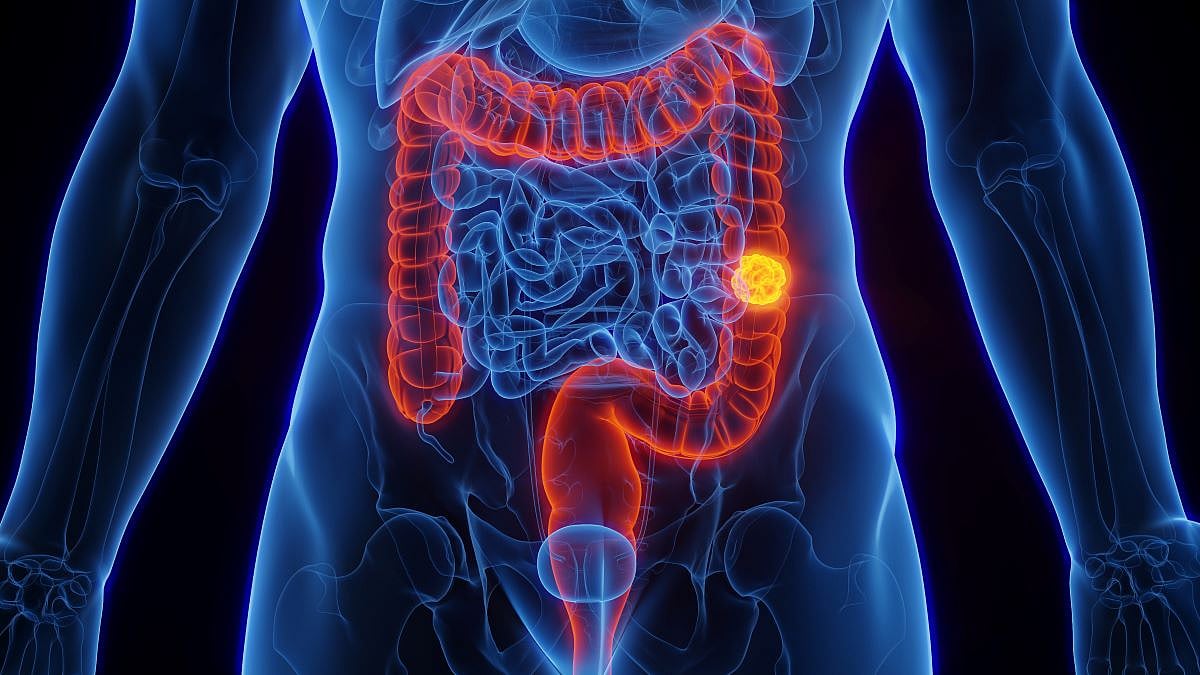 Organized, Biennial FIT-Based Screening Linked to Lower Colorectal Cancer Mortality



.jpg)

