


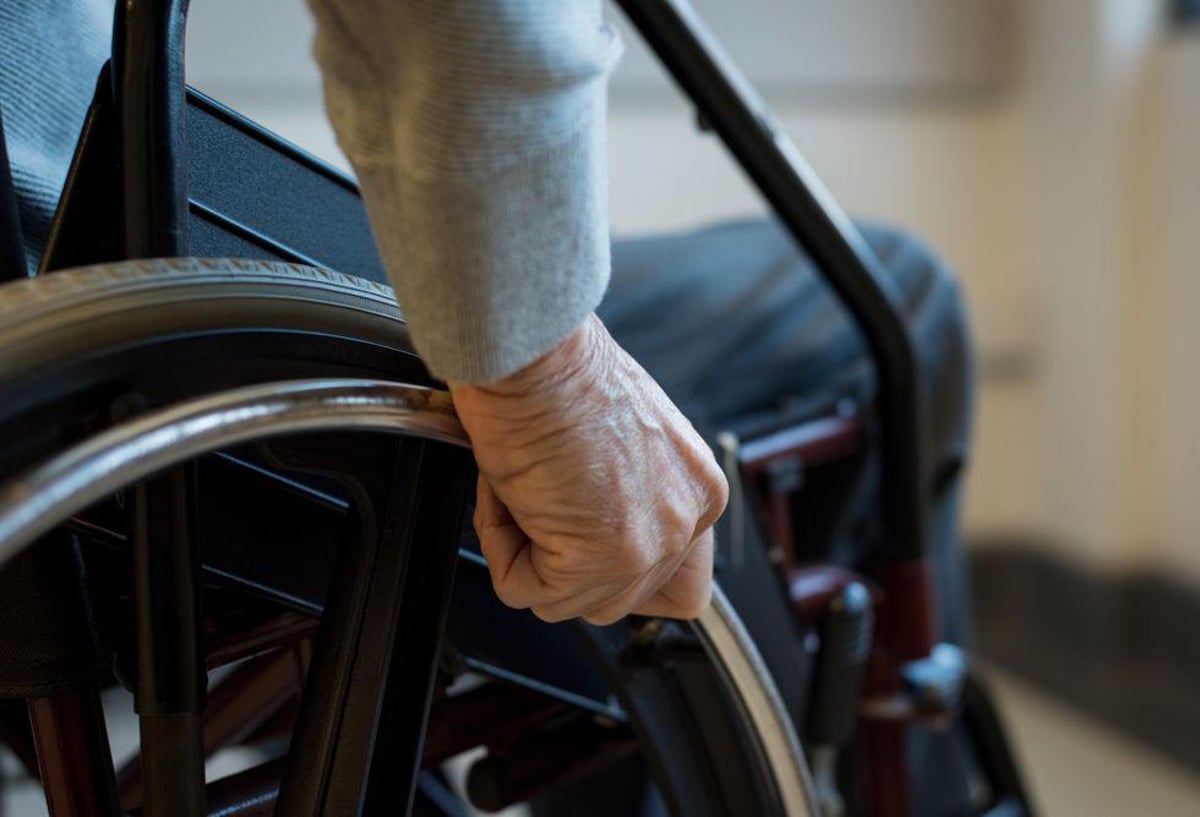
Survivors face increased risk for developing psychological conditions such as depression and anxiety after injury
MONDAY, Feb. 28, 2022 (HealthDay News) — Adults with traumatic spinal cord injury (SCI) have a higher incidence of and risk for common psychological morbidities, according to a study published online Jan. 21 in Spinal Cord.
Mark D. Peterson, Ph.D., from the University of Michigan in Ann Arbor, and colleagues compared the incidence of psychological morbidities among adults with and without traumatic SCI and examined the effect of chronic centralized and neuropathic pain on outcomes. The analysis included 9,081 privately insured adults with an ICD-9-CM diagnostic code for traumatic SCI and 1,474,232 controls.
The researchers found that adults with SCI had a higher incidence of any psychological morbidity versus adults without SCI (59.1 versus 30.9 percent). Adults with SCI had a greater hazard for any psychological morbidity (hazard ratio [HR], 1.67) and all but one psychological disorder (impulse control disorders), with HRs ranging from 1.31 for insomnia to 2.10 for posttraumatic stress disorder. There was an association noted for both centralized and neuropathic pain with all psychological disorders, ranging from HRs of 1.31 for dementia to 3.83 for anxiety.
“Efforts are needed to facilitate the development of early interventions to reduce risk of chronic centralized and neuropathic pain and psychological morbidity onset/progression in this higher risk population,” the authors write.
Abstract/Full Text (subscription or payment may be required)
 Ultrasound-Guided Hydrodissection Yields Improvements in Carpal Tunnel
  Better Youth Fitness May Lower Risk for Depression in Adulthood
 .jpg) Pregnancy Complications Linked to Subsequent Risk for Cardiometabolic-Renal Conditions
Pregnancy Complications Linked to Subsequent Risk for Cardiometabolic-Renal Conditions  Physical Therapist-Supervised Exercise Improves Outcomes After ACL Reconstruction
  Implant, Patient Survival Do Not Differ for Robotic and Conventional Total Joint Replacement
  2013 to 2024 Saw Decrease in Benzodiazepine Prescribing
  2016 to 2024 Saw Increase in Patients Using Medical Cannabis
  Early Complications Common in Older Kidney Transplant Recipients
 .jpg)




