


Of those undergoing biennial screening from age 50 to 74 years with overdiagnoses, 6.1 percent were due to detecting indolent preclinical cancer
TUESDAY, March 1, 2022 (HealthDay News) — Among women undergoing biennial mammography screening from age 50 to 74 years, about 15.4 percent of screen-detected cases are estimated to be overdiagnosed, according to a study published online March 1 in the Annals of Internal Medicine.
Marc D. Ryser, Ph.D., from the Duke University Medical Center in Durham, North Carolina, and colleagues estimated the rate of breast cancer overdiagnosis in contemporary mammography practice, while taking into account the identification of nonprogressive cancer. The rate of overdiagnosis was predicted by a combination of a fitted natural history model with life-table data. Data were included for a cohort of 35,986 women who were aged 50 to 74 years at first mammography between 2000 and 2018, with 82,677 mammograms and 718 breast cancer diagnoses.
The researchers found that 4.5 percent of all preclinical cancer cases were estimated to be nonprogressive. Overall, 15.4 percent of screen-detected cancer cases were estimated to be overdiagnosed in a program of biennial screening from age 50 to 74 years, with 6.1 and 9.3 percent due to detecting indolent preclinical cancer and progressive preclinical cancer in women who would have died of an unrelated cause before clinical diagnosis, respectively.
“We find that the rate of overdiagnosis in U.S. population-based mammography screening is unlikely to be as high as suggested by prominent excess-incidence studies,” the authors write. “We hope that our findings will bring the field closer to a consensus estimate and facilitate decision making about mammography screening.”
Abstract/Full Text (subscription or payment may be required)
 Gap Found Between Awareness of Breast Cancer Risk and Risk-Reducing Behavior
  Exercise Intervention Linked to Improved Attention, Memory in Breast Cancer
 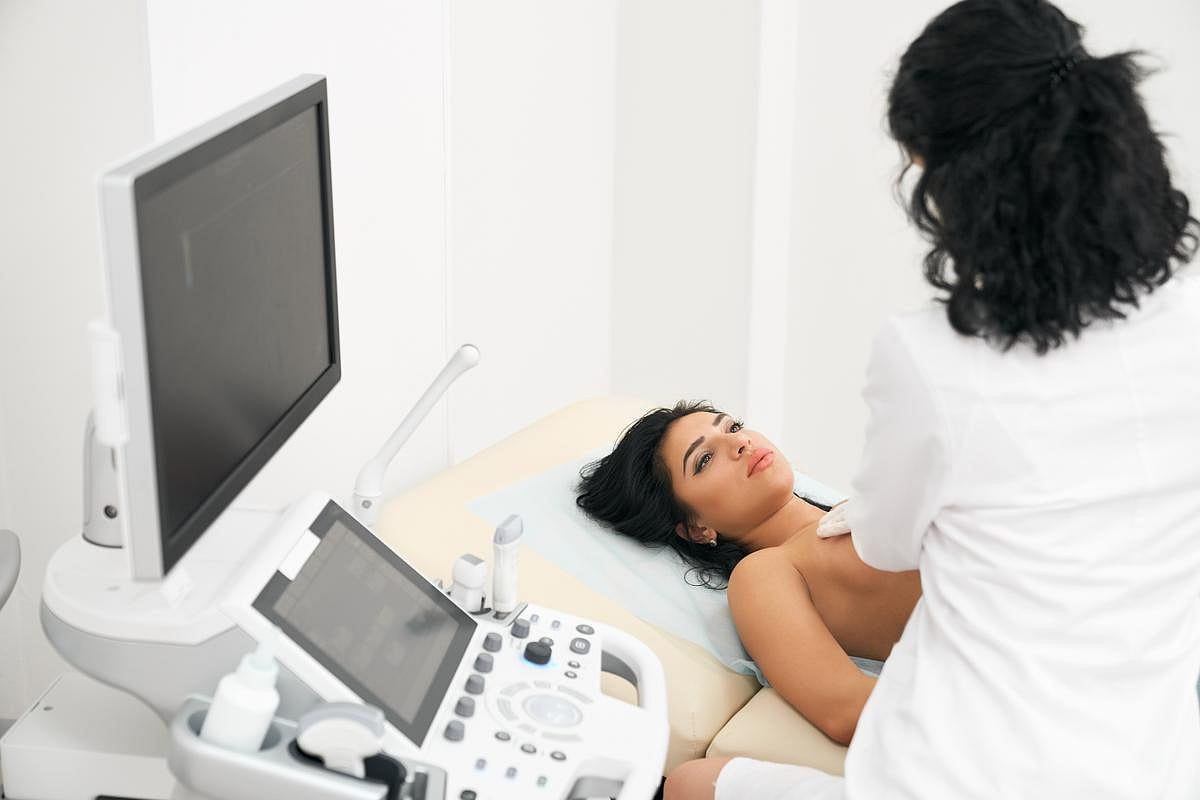 Dense Breast Notification Linked to Increase in Use of Supplemental Ultrasound
  Mammography Trials Yield Excess-Incidence Patterns Consistent With Low Overdiagnosis
  Lower Breast, Cervical Cancer Screening Seen for Adults With Disabilities
  Alcohol-Attributable Cancer Mortality Has Increased Significantly in the U.S.
  Chemo-Free Combo of Four Targeted Therapies Shows Promise in Metastatic Breast Cancer
  AMH Predicts Benefit of Chemo + Endocrine Therapy in Under 55s With Breast Cancer
 .jpg)




