


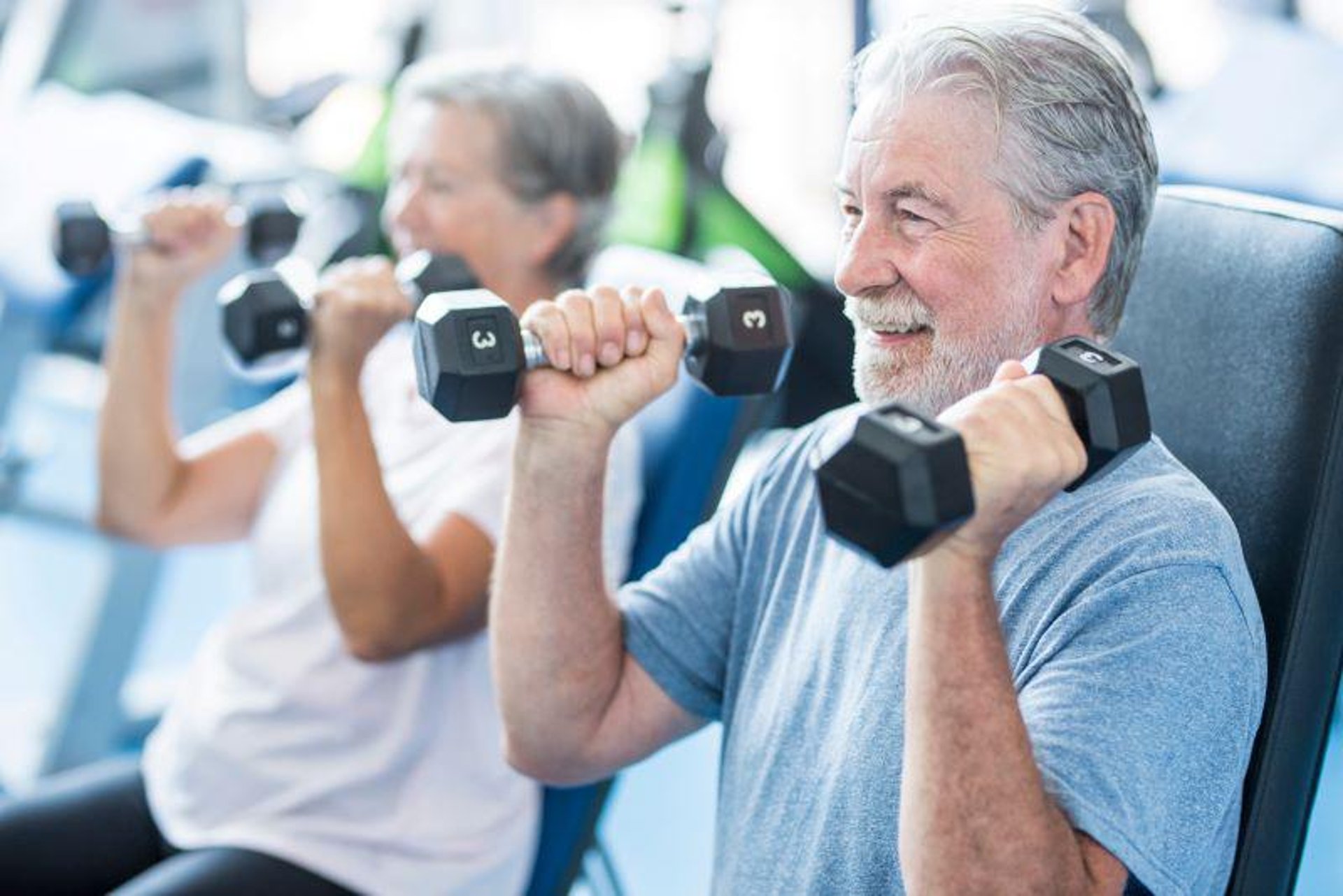
Modest improvement in physical function with power training versus traditional strength training
WEDNESDAY, May 11, 2022 (HealthDay News) — For older adults, power training (PT) is associated with a modest improvement in physical function compared with traditional strength training, according to a systematic review and meta-analysis published online May 11 in JAMA Network Open.
Anoop T. Balachandran, Ph.D., from Queens College at The City University of New York in Flushing, and colleagues examined whether PT versus traditional strength training is associated with improvement in physical function among older adults in a systemic review. A total of 20 randomized clinical trials (RCTs), including 566 community-living older adults (age ≥60 years), were included, which compared PT (lifting weights fast and lowering under control) with traditional strength training (lifting and lowering weights under control).
The researchers found that PT was associated with an improvement in physical function with low-certainty evidence from 13 RCTs (standardized mean difference, 0.30; 95 percent confidence interval, 0.05 to 0.54) and self-reported function with low-certainty evidence from three RCTs (standardized mean difference, 0.38; 95 percent confidence interval, −0.62 to 1.37). For high risk of bias and imprecision for physical function and very serious imprecision for self-reported physical function, the evidence was downgraded by two levels.
“It would be prudent for benefits, harms, cost, and client values/preferences to be evaluated before PT practice guidelines provide recommendations on PT in older adults,” the authors write.
One author reported receiving consultant fees from Tonal Corporation.
.jpg) Recurrent Visual Field Progression Happens for 1 in 4 With Glaucoma
 Physical Activity Linked to Slower Cognitive, Motor Progression in Parkinson Disease
 Air Pollution Does Not Impair Benefits of Walking in Reducing COPD Exacerbation Rate
 Exercise Intervention Linked to Improved Attention, Memory in Breast Cancer
 Early Survivorship Care Linked to Improved Outcomes in Head, Neck Cancer
.jpg) Cancer Survivors Have Lower Levels of Physical Activity
 Childhood Cancer Survivors Often Have Mental Distress in Adulthood
 Mindfulness, Tai Chi May Benefit Cancer Survivors





