Hazard ratio of 1.78 for consumption of one or more SSB/day compared with never consumption for older women
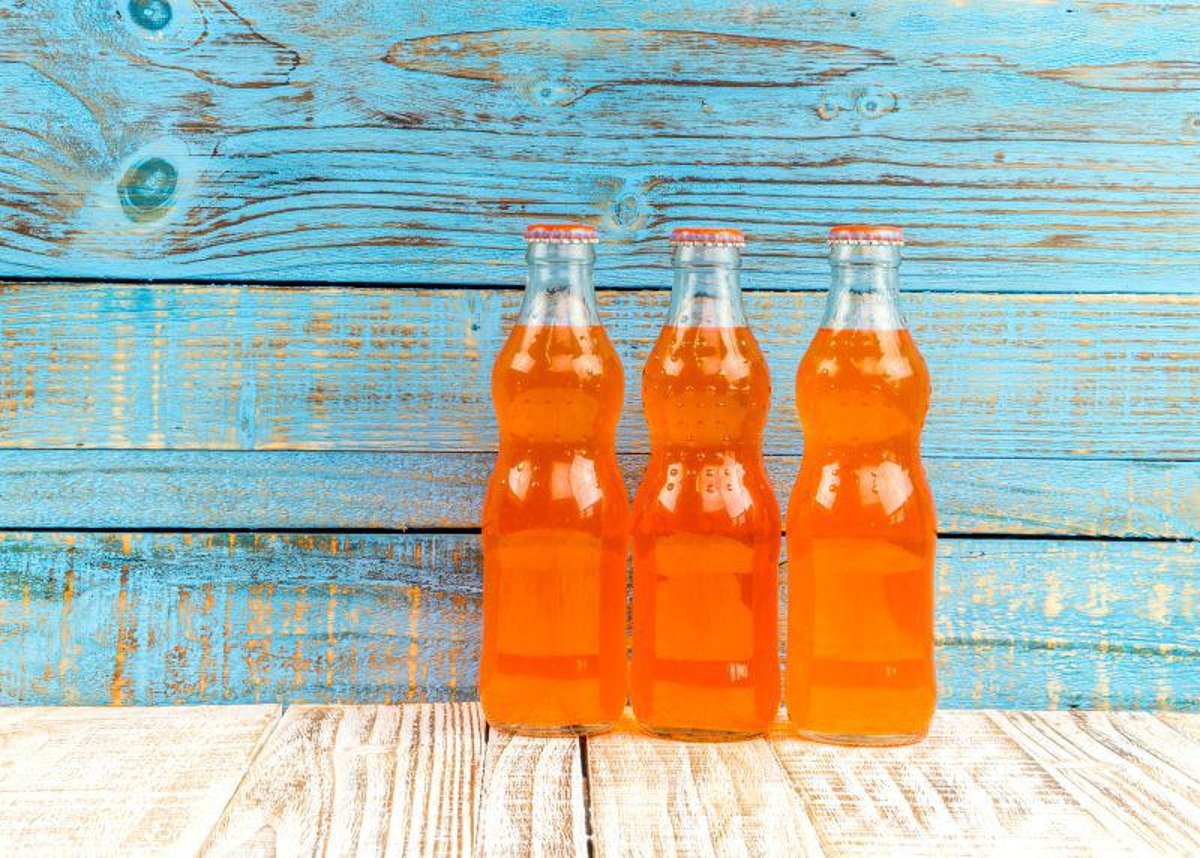
TUESDAY, June 14, 2022 (HealthDay News) — Consumption of one or more sugar-sweetened beverages (SSBs) per day is associated with increased risk of liver cancer, according to a study presented during NUTRITION 2022, the annual meeting of the American Society for Nutrition, held virtually from June 14 to 16.
Longgang Zhao, from the University of South Carolina in Columbia, and colleagues examined the association between SSB intake and risk of liver cancer among 90,504 women aged 50 to 79 years from the Women’s Health Initiative Observational Study and Clinical Trials excluding Dietary Modification Trial participants. SSB intake was defined as the sum of soft drinks and fruit drinks, and was assessed by validated food frequency questionnaire. Self-administered questionnaires were used to identify liver cancers, which were further confirmed by medical record review.
The researchers found that 205 women had confirmed liver cancer after a median of 18.7 years of follow-up. Overall, about 7.3 percent of women consumed one or more servings of SSB/day. The risk of liver cancer was increased in association with higher SSB intake (hazard ratio, 1.78 [95 percent confidence interval, 1.09 to 2.95] for one or more/day versus never). For soft drinks, the hazard ratio was 1.73 (95 percent confidence interval, 0.76 to 3.94) for one or more/day versus never. After further adjustment for coffee/tea intake, history of liver diseases, and other confounding variables, the results were similar.
“If our findings are confirmed, reducing sugar-sweetened beverage consumption might serve as a public health strategy to reduce liver cancer burden,” Zhao said in a statement. “Replacing sugar-sweetened beverages with water, and non-sugar-sweetened coffee or tea could significantly lower liver cancer risk.”
 Sugar-Sweetened Beverages May Increase Risk for Gastric Cancer
  Sugar Restriction in First 1,000 Days From Conception Linked to Lower Risk for Dementia
  Higher Coffee Consumption Linked to Favorable Indicators of Liver Health
  Onset of Mortality, Morbidity Delayed for Offspring of Centenarians
  Vascular Burden in Midlife Linked to Increased Risk for Dementia, Death
  28 Percent of U.S. Adults With HTN Eligible for Treatment Under New Guidelines
  Hypoglossal Nerve Stimulation May Offer Long-Term Cardiovascular Benefits in OSA