



No association seen between artificially sweetened beverages and gastric cancer incidence
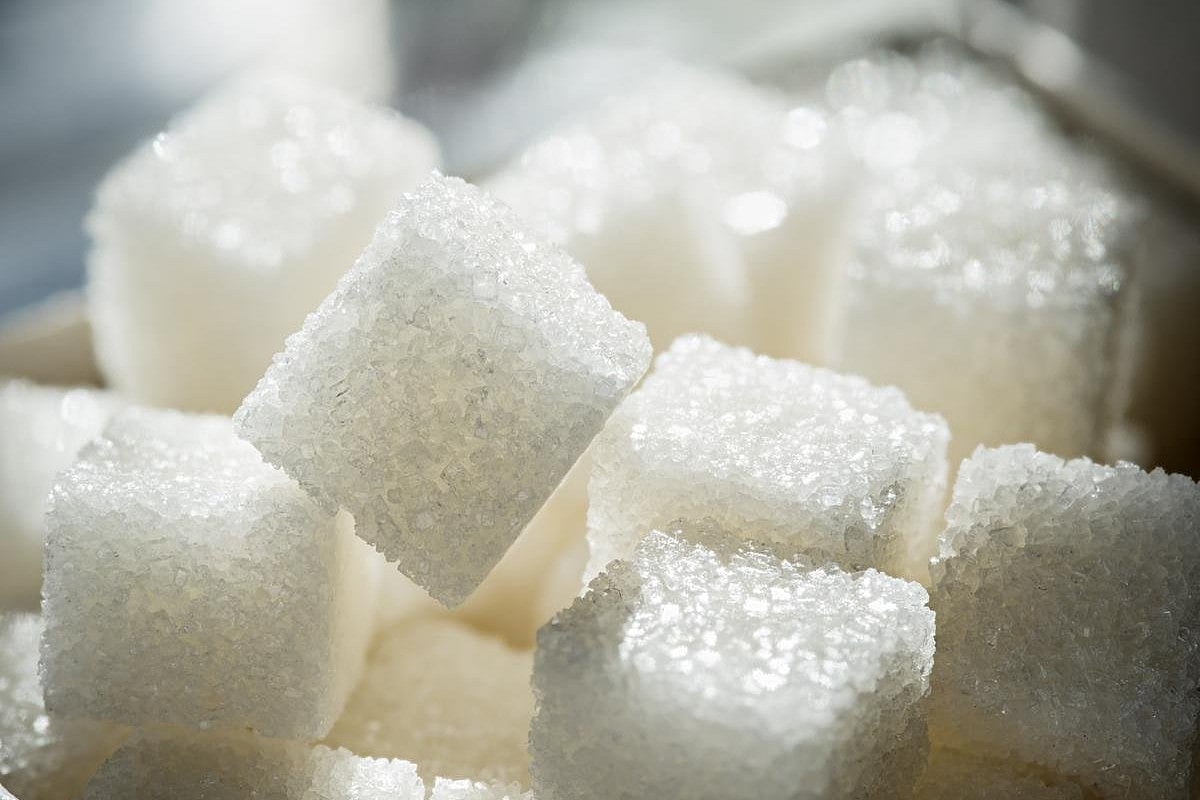
TUESDAY, Aug. 25, 2026 (HealthDay News) — Higher intake of sugar-sweetened beverages (SSB) is associated with a higher risk for incident gastric cancer, according to a study published online Aug. 17 in Gastro Hep Advances.
Tae-Geun Gweon, from the Catholic University of Korea, College of Medicine in Seoul, and colleagues investigated whether SSB or artificially sweetened beverage (ASB) intake was associated with gastric cancer incidence. The analysis included data from 112,284 U.S. participants in the Nurses” Health Study (women) and the Health Professionals Follow-up Study (men).
The researchers found that the risk for incident gastric cancer among those who consumed at least one SSB serving per day was higher than the risk among never users (hazard ratio, 2.45) and was elevated for both sexes (female: HR, 3.04; male: HR, 1.99). There was no association between ASB intake and gastric cancer incidence in the age- and multivariable-adjusted analysis. Among 940 participants with Helicobacter pylori (H. pylori) status data, infection was found in 36.7 percent of women and 34.0 percent of men. There was no association between SSB or ASB intake and H. pylori infection.
“This is the first study to demonstrate an association between sugar-sweetened beverage intake and gastric cancer in a U.S. population,” senior author Andrew T. Chan, M.D., from the Mass General Brigham Cancer Institute in Boston, said in a statement. “Gastric cancer is the fifth leading cause of cancer death worldwide, but we”ve known very little about how diet might contribute to this cancer.”
One author disclosed ties to the pharmaceutical industry.
 Sugar Exposure in Early Life Linked to Anxiety in Adulthood
  Couples" Coping Skills Help Reduce Depression in GI Cancer Survivors
  Sugar Restriction in First 1,000 Days From Conception Linked to Lower Risk for Dementia
  Isometric Exercise Training Three Times a Week Preserves Cardiovascular Benefits
  Eating More Ultraprocessed Foods Heightens Risk for Chronic Diseases
  Nutritional Deficiencies Seen in Youth Taking GLP-1 Receptor Agonists
  Eating More Whole Grains Daily Linked to Cardiometabolic Benefits


.jpg)

