


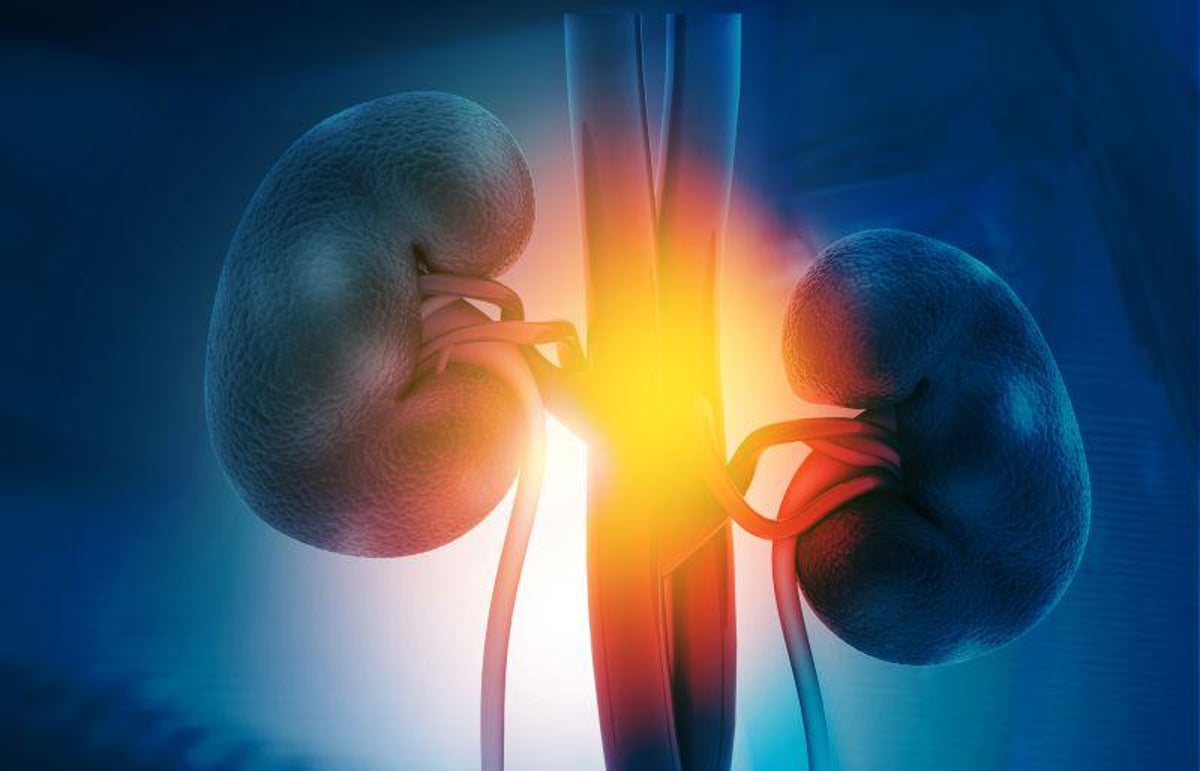
Improvements seen in estimated glomerular filtration rate, serum creatinine, 24-hour urine protein amount, and blood urea nitrogen
TUESDAY, Oct. 25, 2022 (HealthDay News) — Regular aerobic exercise is associated with significant improvements in chronic kidney disease (CKD) measures, according to a systematic review and meta-analysis published online Sept. 26 in Frontiers in Physiology.
Qirui Ma, from Beijing Sport University, and colleagues conducted a systematic literature review to evaluate the effect of regular aerobic exercise on renal function in patients with CKD.
Based on 12 randomized controlled trials, the researchers found that regular aerobic exercise significantly improved the estimated glomerular filtration rate (standardized mean difference [SMD], 0.65; 95 percent confidence interval [CI], 0.30 to 1.00), serum creatinine (SMD, −0.63; 95 percent CI, −0.86 to −0.40), 24-hour urine protein volume in patients with CKD (SMD, −0.41; 95 percent CI, −0.70 to −0.11), and serum urea nitrogen (SMD, −0.66; 95 percent CI, −1.20 to −0.12). Significant improvements in the estimated glomerular filtration rate were seen with single exercise sessions longer than 30 minutes. Walking and running significantly improved serum creatinine levels; however, cycling did not.
“Regular aerobic exercise has a significant effect on the estimated glomerular filtration rate, serum creatinine, 24-h urine protein amount, and blood urea nitrogen in CKD patients,” the authors write. “As a chronic disease that endangers public health, whether aerobic exercise can play a role in the prevention and control of the disease course is a research direction worthy of attention.”
 Physical Activity Linked to Slower Cognitive, Motor Progression in Parkinson Disease
 Air Pollution Does Not Impair Benefits of Walking in Reducing COPD Exacerbation Rate
.jpg) Pregnancy Complications Linked to Subsequent Risk for Cardiometabolic-Renal Conditions
 Exercise Intervention Linked to Improved Attention, Memory in Breast Cancer
 Early Survivorship Care Linked to Improved Outcomes in Head, Neck Cancer
.jpg) Cancer Survivors Have Lower Levels of Physical Activity
 Childhood Cancer Survivors Often Have Mental Distress in Adulthood
 Mindfulness, Tai Chi May Benefit Cancer Survivors





